
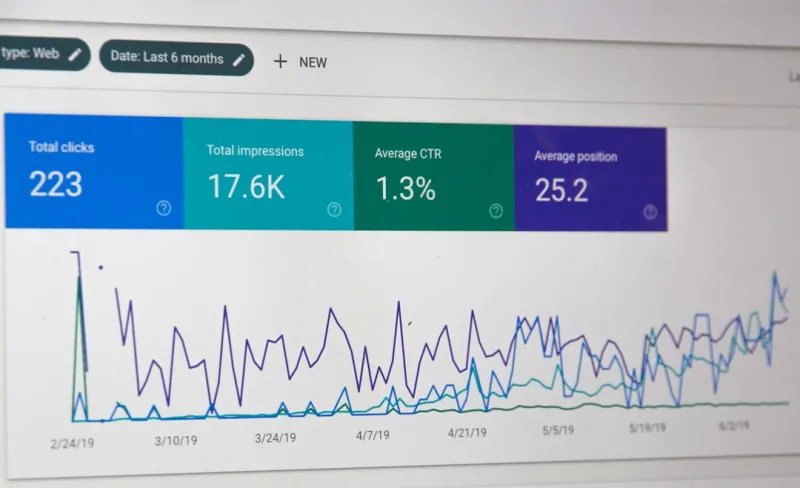
Why Intent‑First is No Longer a Nice‑to‑Have, It’s a Must‑Have
When I first heard the phrase “intent‑first SEO,” I imagined another fleeting buzzword that would fade once the next algorithm update landed, but the reality has been a seismic shift in how Google evaluates relevance, forcing marketers to rethink every piece of content they produce. Over the past months I’ve watched traffic patterns flatten for keyword‑stuffed pages while sites that answer a specific question, align with the searcher’s stage in the buyer journey, and embed contextual signals have surged, proving that search intent now drives rankings more than any individual keyword. If you’re still writing for “best keywords” instead of “best answers,” you’re essentially shouting into a void, and you can read more about the framework that helped me pivot in Mastering Intent‑First SEO: A Marketer’s Playbook for Sustainable Rankings.
The Art of Uncovering the Real Question Behind the Query
Most SEO tools give you a list of search terms, but the real gold lies in decoding the underlying motivation—are users looking to learn, compare, buy, or solve an immediate problem? I spend a solid hour dissecting SERP features, analyzing “People also ask” boxes, and mapping out the journey from awareness to conversion, then I translate those insights into a content brief that reads like a conversation with the searcher rather than a list of keywords; this approach not only satisfies Google’s AI but also delights real humans who finally find the answers they need. The trick is to constantly validate assumptions with actual user data—click‑through rates, dwell time, and bounce metrics are the new litmus tests for whether you truly captured intent.
Designing Content Maps That Mirror the User’s Path
Once you understand the intent, the next step is to create a content architecture that guides the visitor naturally from curiosity to confidence, and that means building pillar pages, topic clusters, and strategic internal links that echo the way the brain categorizes information. I often start with a master spreadsheet that lists primary intents, supporting sub‑intents, and the exact format—blog post, how‑to guide, comparison table, or video—that best satisfies each, then I weave them together with contextual anchor text so that every click feels purposeful; this not only distributes link equity efficiently but also signals to Google the semantic hierarchy of your site. A well‑structured content map can turn a single blog post into a traffic magnet that feeds multiple keyword families without cannibalizing itself.
Technical Foundations: Schema, Speed, and Mobile‑First Experience
Even the most insightful content will flounder if the technical foundation is shaky, because Google’s crawlers need a clean, fast, and mobile‑responsive environment to interpret intent signals correctly. Implementing structured data such as FAQ schema, Product schema, or How‑To markup gives search engines a shortcut to understand the purpose of your page, often resulting in rich snippets that increase click‑through rates dramatically; meanwhile, Core Web Vitals—loading, interactivity, and visual stability—ensure that users stay engaged long enough for the intent to be satisfied. I’ve found that a quick audit of page speed, combined with lazy‑loading images and compressing JavaScript, can shave seconds off load time, which not only pleases users but also aligns with Google’s preference for sites that deliver intent quickly and efficiently.
Metrics That Matter: Moving Beyond Rankings to Intent Success
Traditional SEO reporting focuses on keyword rankings, but in an intent‑first world the true KPIs are engagement, conversion, and the depth of interaction that each searcher has with your content. I track metrics such as average session duration per intent type, scroll depth on instructional pages, and micro‑conversions like newsletter sign‑ups that indicate a user has moved from curiosity to consideration; these data points reveal whether your content truly resolves the searcher’s problem or simply skims the surface. By aligning your dashboard with intent‑centric metrics, you can spot underperforming pieces early, iterate on them with richer answers, and demonstrate ROI to stakeholders who still demand hard numbers.
Common Pitfalls: Over‑Optimizing and Ignoring the Human Element
One of the biggest mistakes I see marketers make is trying to “force” intent into every sentence, resulting in robotic copy that reads like a checklist rather than a helpful guide, which can trigger Google’s quality raters to downgrade the page for “thin content.” Another trap is over‑reliance on exact‑match anchor text, which can look spammy and dilute the natural flow of the narrative; instead, I recommend using descriptive, conversational anchors that reflect the user’s next logical step—this subtle shift improves both SEO and readability. Finally, neglecting to update content as search intent evolves—especially after product launches or industry shifts—leaves you with stale pages that no longer match what users are looking for, so schedule quarterly intent audits to keep your site fresh and relevant.
Future‑Proofing Your Strategy: Staying Ahead of the Intent Curve
The SEO landscape is in constant motion, and as AI-driven search tools become more sophisticated, the emphasis on genuine intent will only intensify, meaning that marketers who embed intent into their DNA today will reap long‑term benefits. I keep a pulse on emerging trends by subscribing to industry newsletters, participating in community forums, and testing new SERP features like generative snippets, which often reward pages that already excel at answering questions concisely and accurately; this proactive mindset ensures that my strategies don’t just react to changes but anticipate them. By committing to an iterative process—research, create, measure, refine—you build a resilient SEO engine that can weather algorithm updates, market fluctuations, and the ever‑shifting ways users seek information.
Action Steps: Implement Intent‑First SEO Today
Ready to transform your site from a keyword‑heavy repository into an intent‑driven powerhouse? Start by auditing your top‑performing pages for the underlying question they answer, map out any gaps in your content hierarchy, and then enrich those gaps with purpose‑aligned pieces that incorporate schema, internal linking, and fast, mobile‑first design; remember to monitor intent‑centric metrics to gauge success. If you need a deeper dive into practical tactics, the guide The Intent‑First Wave: Why It’s Reshaping SEO News and What Marketers Should Do offers actionable steps that can jump‑start your journey and keep you ahead of the competition.

When it comes to the world of blogging and writing, Rose DesRochers is a name that stands out. Her passion for creating quality content and connecting with her audience has made her a trusted voice in the industry. Aside from her skills as a writer and blogger, Rose is also known for her compassionate nature.
Related Posts

Rose DesRochers’ 2024 SEO Playbook: Intent, AI, and Authority
Rose DesRochers reveals a 2024 SEO roadmap that blends search intent, AI‑enhanced content, and aut... Read More

How to Turn Your Podcast Into a Search Engine Magnet
Learn how to transform each podcast episode into a powerful SEO asset with actionable strategies for... Read More

Unlocking the Power of Semantic Content Hubs for SaaS SEO
Discover why semantic content hubs are the new SEO catalyst for SaaS brands, and get a step‑by‑s... Read More
Top Posts
AI‑Driven Personalization Is Reshaping SEO Strategies
AI is tailoring search results to individual users, forcing SEO to evolve. Learn how dynamic content, structured data, and predictive insights can give your sit...Read More
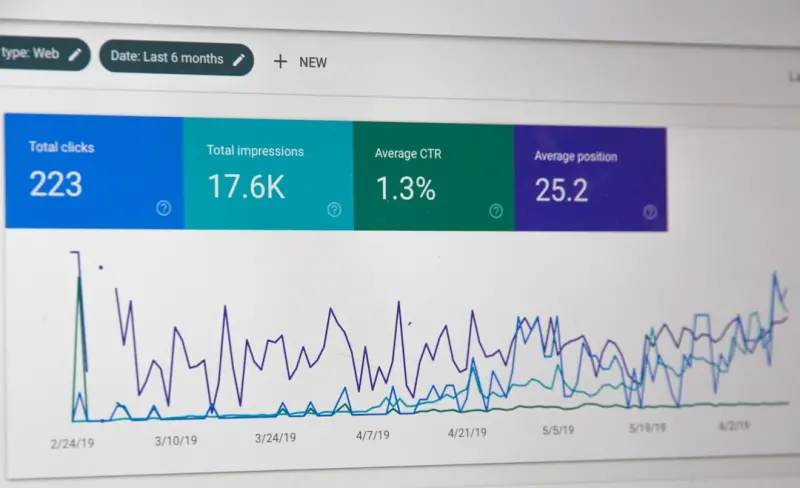
Turning Paid Search Data into a Growth Engine for SaaS
Paid search remains a powerhouse for B2B SaaS. This post reveals a step‑by‑step framework—budget splits, intent signals, dynamic ads, and product‑usage ...Read More

Why Google’s Generative AI Is Redefining SaaS SEO Strategies
Google’s generative AI is reshaping search relevance for SaaS businesses. This post breaks down the AI‑first ranking signals, offers a practical checklist, ...Read More

Intent Clustering: The New Blueprint for Scalable SEO Success
Learn why grouping queries by search intent, not individual keywords, is the next big shift in SEO and how to implement it for scalable, high‑impact results....Read More
0 Comments
Post Comment
You will need to Login or Register to comment on this post!