
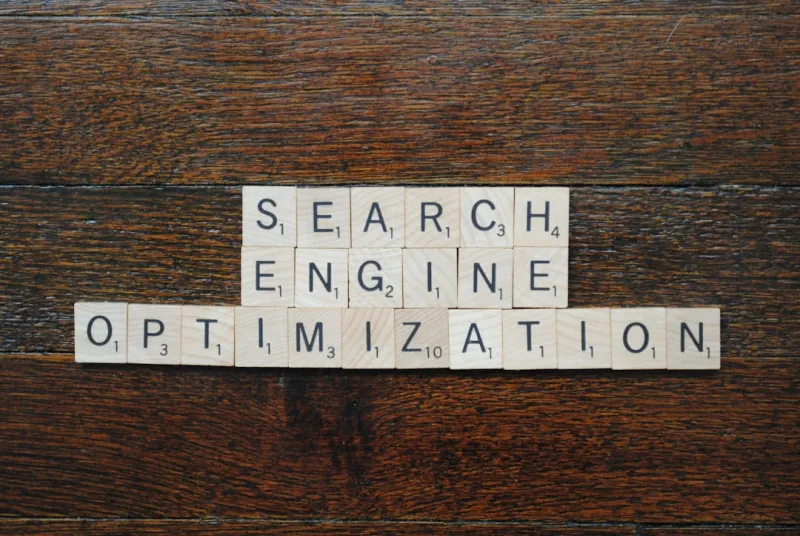
Why Intent‑First is the New Compass for Google SEO
When I first noticed the subtle tremors in Google’s algorithm updates, I felt a mix of excitement and anxiety; the search landscape was shifting under our feet, and the old rule‑books were no longer sufficient. Today, that shift has solidified into a full‑blown intent‑first paradigm that demands we redesign our content strategies around user purpose rather than keyword stuffing. In practical terms, this means dissecting the question a searcher is really asking, then weaving answers that satisfy that curiosity with depth, relevance, and authority. It also forces us to move beyond the vanity metrics of pageviews, focusing instead on engagement signals that prove we’ve truly answered the intent behind each query.
Understanding the Layers of Search Intent
Search intent can be broken down into three core layers: informational, navigational, and transactional, each with its own set of expectations and content requirements. An informational query like “how does Google rank pages?” expects a thorough, well‑structured guide that educates and empowers, while a navigational search such as “Google Search Console login” demands a quick, precise pathway to the destination. Transactional queries, meanwhile, are the most conversion‑driven, looking for product comparisons, pricing, or purchase options. Mastering these layers means we must map every piece of content to a specific intent, ensuring that the tone, depth, and call‑to‑action align perfectly with the searcher's mindset.
From Keyword Lists to Intent Maps
My old habit of compiling massive keyword spreadsheets has been replaced by a dynamic intent map that visualizes the journey from curiosity to conversion. This map starts with broad seed topics, then branches out into sub‑queries that reflect the nuanced questions users ask at each stage of their decision funnel. By aligning each branch with the appropriate content format—blog posts for top‑of‑funnel education, case studies for mid‑funnel credibility, and product pages for bottom‑of‑funnel purchase signals—we create a cohesive ecosystem that Google rewards with higher relevance scores. For a deeper dive into how this transformation unfolds, check out The Intent‑First Wave: Why It’s Reshaping SEO News and What Marketers Should Do.
Crafting Content That Mirrors User Thought Processes
When I sit down to write, I imagine myself in the shoes of the searcher, tracing the mental steps they take from problem identification to solution adoption. This mental rehearsal informs the structure: I start with a compelling hook that acknowledges the pain point, followed by a logical progression of sub‑headings that answer each sub‑question, and I conclude with a clear, actionable takeaway. Incorporating semantic variations, related entities, and contextual data not only satisfies the user but also signals to Google that the page comprehensively covers the topic. The result is content that feels natural, helpful, and, most importantly, aligned with the evolving expectations of modern search engines.
Technical Foundations That Support Intent‑First Strategies
Even the most brilliantly crafted intent‑first content can stumble if the technical foundation is shaky. Core Web Vitals, structured data, and mobile‑first indexing remain critical pillars that ensure Google can crawl, interpret, and rank our pages efficiently. Implementing schema markup for FAQs, How‑To guides, and product information helps search engines surface rich snippets that directly answer queries, boosting visibility and click‑through rates. Additionally, a clean URL hierarchy that mirrors the intent map hierarchy reinforces the semantic relationship between pages, guiding both users and crawlers through a logical content flow. These technical nuances are the silent workhorses that amplify the impact of our intent‑focused messaging.
Measuring Success Beyond Rankings
Traditional SEO metrics like keyword position are still useful, but they no longer paint the full picture of performance in an intent‑first world. I now track engagement metrics such as time on page, scroll depth, and content interaction rates to gauge whether we truly satisfied user intent. Conversion pathways are mapped to see how informational content nudges users toward transactional pages, creating a measurable link between top‑of‑funnel education and bottom‑of‑funnel revenue. Tools that visualize user journeys—heatmaps, session recordings, and funnel analytics—provide the granular insights needed to refine our intent mapping continuously. By focusing on these holistic indicators, we can demonstrate real business value while staying aligned with Google’s quality standards.
Building a Collaborative Intent‑First Culture
Transitioning to an intent‑first mindset isn’t just a task for SEO specialists; it requires buy‑in from content creators, product managers, and even sales teams. I champion cross‑functional workshops where each stakeholder shares the questions they hear from customers, translating those into actionable search intents. This collaborative approach surfaces hidden opportunities—long‑tail queries, emerging trends, and niche pain points—that might otherwise slip through the cracks. When everyone understands that the ultimate goal is to serve the user’s purpose, the resulting content is richer, more authentic, and naturally optimized for Google’s evolving algorithms. For a step‑by‑step guide on fostering this culture, see Embracing Intent‑First SEO: A Marketer’s Roadmap to Sustainable Rankings.
Future‑Proofing Your SEO Strategy
Looking ahead, the intent‑first framework positions us to adapt gracefully to emerging technologies such as AI‑generated answers and voice search, both of which prioritize concise, purpose‑driven responses. By continuously updating our intent maps, we can anticipate shifts in user behavior and pre‑emptively create content that aligns with new query formats. Moreover, the rise of multimodal search—visual, auditory, and textual—means we must diversify our assets, integrating video transcripts, infographics, and structured data to cover every possible entry point. This proactive stance ensures that our SEO strategy remains resilient, relevant, and ready to capture the next wave of organic traffic.
Action Plan: Your First Steps Toward Intent‑First Mastery
Ready to ride the momentum? Start by auditing your existing content inventory, tagging each piece with its primary intent, and identifying gaps where user questions remain unanswered. Next, develop a concise intent map for your core topics, outlining the content types and formats needed at each stage of the funnel. Then, implement technical enhancements—schema markup, mobile optimization, and fast loading times—to give Google the signals it needs to surface your pages prominently. Finally, set up a measurement dashboard that tracks both traditional rankings and the engagement metrics we discussed, allowing you to iterate based on real user behavior. For fresh tactics that complement this roadmap, explore Riding the Intent‑First Wave: Fresh Strategies for Google SEO and watch your rankings become unstoppable.

When it comes to the world of blogging and writing, Rose DesRochers is a name that stands out. Her passion for creating quality content and connecting with her audience has made her a trusted voice in the industry. Aside from her skills as a writer and blogger, Rose is also known for her compassionate nature.
Related Posts

The Intent‑First Playbook: How to Align Your SEO Strategy with Real User Purpose
Discover why focusing on user intent is the game‑changer for SEO success, and get a step‑by‑st... Read More
Semantic SEO for SaaS: Harnessing Entities, Passages, and Topic Clusters
Semantic SEO transforms how SaaS content ranks by focusing on entities, passage-level relevance, and... Read More

The Intent‑First Playbook: How I Turn Search Queries Into Sustainable Google Rankings
Learn the step‑by‑step intent‑first SEO approach that transforms queries into rankings, boosts... Read More
Top Posts

Build a Content Hub That Supercharges eCommerce SEO
Discover why a dedicated content hub can transform fragmented eCommerce pages into an SEO powerhouse, with actionable strategies, real‑world results, and esse...Read More

Decoding Google’s Ever‑Changing SERP Features: A Tactical Guide for Modern Marketers
Google’s search results are now a complex mix of snippets, carousels, and AI‑generated answers. This guide walks you through the signal families behind each...Read More

Riding the Intent‑First Wave: Why It’s the Hottest Topic in SEO News
Explore the surge of intent‑first SEO in today’s news, learn actionable tactics, and see why this user‑centric approach is the must‑know trend for moder...Read More

Reinforcement Learning: The Next Frontier in AI Search Personalization
Explore how reinforcement learning can turn search engines into adaptive, real‑time personal assistants, delivering hyper‑relevant results while respecting ...Read More
0 Comments
Post Comment
You will need to Login or Register to comment on this post!