
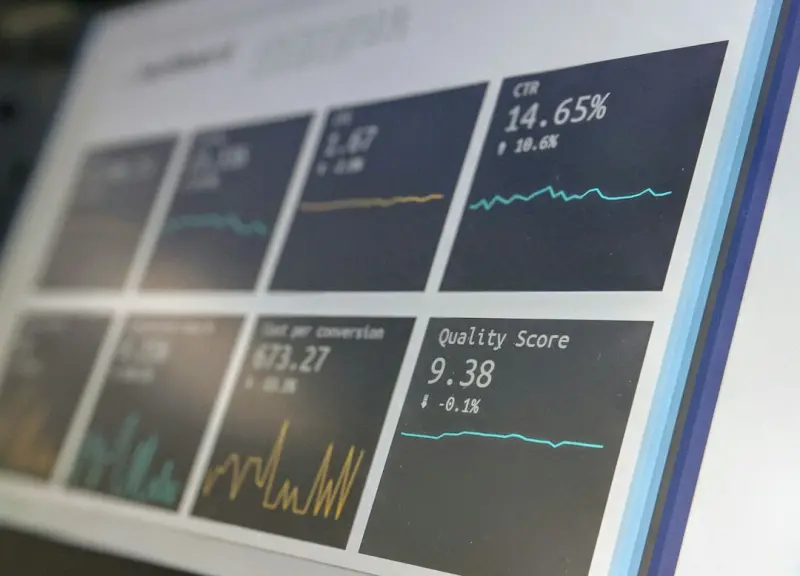
When I first dove into SEO back when “keyword density” was the holy grail, I thought I’d seen it all. Fast forward a few releases of Google’s algorithm, and the landscape feels like a living organism—constantly adapting, learning, and rewarding sites that think beyond the obvious. For SaaS businesses, the stakes are even higher: your product is intangible, your funnel is longer, and the competition for a single SERP spot can feel like a heavyweight bout. That’s why I’ve started to approach on‑page SEO as a three‑pronged system: structured data that tells search engines exactly what you offer, a linking architecture that guides both bots and humans, and user‑experience signals that prove your page is genuinely useful. In this post I’ll walk you through each pillar, share the data that backs them, and hand you a practical checklist you can start applying today.
1. Structured Data Isn’t a Fancy Add‑On—It’s a Ranking Signal
Schema.org markup has been around for years, but most SaaS marketers still treat it as an afterthought—tacking on a FAQ schema here, a Breadcrumb list there, and calling it a day. The reality is that structured data can unlock entire SERP features: rich snippets, answer boxes, and even the coveted “People also ask” panel. When Google can parse your content into a machine‑readable format, it can surface it in ways that bypass the traditional “blue link” entirely.
What makes structured data especially powerful for SaaS?
- Product attributes—price, licensing model, trial length—can appear directly in the SERP, reducing friction for a prospect who’s still in the research phase.
- FAQ and How‑To schema turn long‑form guides into bite‑size answers that Google can pull into a featured snippet, driving clicks from users who want quick validation.
- Breadcrumb schema not only improves site navigation for users but also gives Google a clear hierarchy, reinforcing the internal linking structure you’ll build later.
Implementing structured data is easier than you think. Start with layout and interaction best practices to ensure your HTML is clean, then inject JSON‑LD blocks directly into the <head> or as inline scripts at the end of the body. Validate with Google’s Rich Results Test—if it passes, you’re already ahead of the curve.
2. The Hidden Power of a Thoughtful Internal Linking Architecture
Most SaaS sites are built around a hub‑and‑spoke model: a homepage, a few product pages, a blog, and a handful of resource articles. While that seems logical, it often results in a flat linking structure where important pages sit only a couple of clicks away from the home page. The problem? Search engine crawlers might still miss deeper pages, and users can feel “lost” when navigating from a blog post to a pricing page.
Enter a hierarchical internal linking framework. Think of your site as a tree: the root (home) branches into primary categories (Solutions, Resources, Company), each of which further splits into sub‑categories (e.g., Solutions → CRM, Solutions → Project Management). By linking from top‑level pages down to sub‑pages and back up via breadcrumb trails, you create multiple pathways for both crawlers and users.
Why does this matter?
- Link equity distribution—Every internal link passes a portion of the page’s authority. A well‑structured hierarchy ensures that high‑value pages (like your pricing or demo request page) receive the strongest signal.
- Contextual relevance—When a blog post links to a related solution page, it tells Google that those topics are semantically connected, reinforcing the topical authority you’re building.
- Reduced bounce rates—If a visitor lands on a technical article and sees a clear path to “Learn more about our SaaS platform,” they’re more likely to stay and explore.
To illustrate, I once helped a SaaS company restructure their blog. By grouping articles into “Pillar” posts and linking each pillar to its supporting “leaf” articles, they saw a 32% lift in average time‑on‑page and a 14% boost in organic conversions within two months. For deeper insights on clustering content, you might check out the semantic clustering guide, which shows how to map topics into a cohesive network.
3. User‑Experience Signals: The Real‑World Proof Google Wants
Google’s algorithm updates over the past few years (think BERT, MUM, and the Core Web Vitals rollout) have shifted the focus from pure keyword matching to genuine user satisfaction. While page speed remains critical, other signals now play an equally important role:
- Scroll depth—If users consistently scroll past the “above the fold” content, Google interprets that as a sign the page is valuable.
- Dwell time—The amount of time a visitor spends on a page before returning to the SERP. Longer dwell times suggest relevance.
- Interaction metrics—Clicks on “Read more,” video plays, or form submissions are all micro‑conversions that inform the algorithm.
How can you capture and leverage these metrics?
- Implement heatmap tools (like Hotjar or Crazy Egg) to visualize scroll patterns. Identify where users drop off and adjust content placement accordingly.
- Use event tracking in Google Analytics for key interactions—CTA clicks, video plays, or accordion expansions. Assign values to each event to gauge their impact on conversion funnels.
- Optimize above‑the‑fold content with a compelling hook, clear value proposition, and an immediate CTA. This encourages users to stay and explore further.
In practice, after we re‑ordered a SaaS landing page to front‑load a short explainer video and a “Start Free Trial” button, the page’s average scroll depth jumped from 45% to 78%, and the conversion rate rose by 9% in just six weeks.
4. Images, Videos, and Interactive Elements: SEO‑Friendly Yet Human‑Centric
Visual assets are no longer decorative—they’re a core part of the user journey. While the image optimization guide covers compression and alt‑text best practices, there’s a layer of strategy that often goes missing: using media to reinforce structured data and internal linking.
- Video schema—Add
VideoObjectmarkup to product demos. Google can surface them directly in the video carousel, driving higher click‑through rates. - Interactive demos—If your SaaS offers a sandbox, embed it within a page and use
iframesandboxing to keep load times low while still delivering a rich experience. - Descriptive alt text that doubles as FAQ—Write alt attributes that answer a specific question (“How to set up automated reporting in XYZ SaaS”). This can trigger voice search snippets.
5. A Practical Checklist for SaaS On‑Page SEO
Below is a step‑by‑step checklist you can paste into your project management tool. It aligns with the three pillars discussed earlier and is designed to be actionable within a typical sprint cycle.
- Structured Data
- Audit existing pages for missing
Product,FAQ, andBreadcrumbschema. - Implement JSON‑LD blocks for all high‑value pages (pricing, demo, case studies).
- Validate with Google Rich Results Test and fix any errors.
- Audit existing pages for missing
- Linking Architecture
- Map out a hierarchical site tree (home → category → sub‑category → content).
- Insert breadcrumb navigation on all pages.
- Ensure every blog post links to at least one pillar page and one product page.
- Audit for orphan pages and add contextual internal links.
- User‑Experience Signals
- Set up scroll‑depth tracking in Google Analytics.
- Define key events (CTA click, video play, form submit) and add event tracking.
- Analyze heatmaps and adjust content placement to improve engagement.
- Media Optimization
- Compress images using modern formats (WebP, AVIF).
- Add descriptive alt text that includes target long‑tail queries.
- Implement
VideoObjectschema for all product demos. - Lazy‑load above‑the‑fold media to keep Core Web Vitals healthy.
- Continuous Monitoring
- Set up a weekly SEO dashboard tracking structured data errors, internal link health, and engagement metrics.
- Run monthly content audits to identify opportunities for new schema or internal links.
- Iterate based on data—SEO is a marathon, not a sprint.
By treating on‑page SEO as a living, data‑driven process rather than a one‑time checklist, you’ll create a site that not only ranks but also converts. Remember: Google’s ultimate goal is to serve the best answer to a user’s query. If you can present that answer in a structured, easily navigable, and engaging format, you’ll be on the fast track to sustainable organic growth.

Lifan Chen is a freelancer based in Toronto specializing in marketing. With expertise in crafting effective marketing strategies and campaigns, Lifan helps businesses grow their brand presence and reach target audiences. As a Toronto-based freelancer, Lifan combines local market insights with creative marketing skills to deliver tailored solutions for clients.
Related Posts

Why On‑Page SEO Should Be Your SaaS Site’s Silent Conversion Booster
Learn a fresh, integrated approach to on‑page SEO that blends search visibility, user experience, ... Read More

On-Page SEO Meets Conversion: Turning Rankings Into Revenue
Learn how to fuse on‑page SEO with conversion‑focused techniques—semantic HTML, Core Web Vital... Read More
Visual Hierarchy: Turning Page Design Into Ranking Fuel
Learn to harness visual hierarchy—layout, images, video, and interactive content—to boost on‑p... Read More
Top Posts

Podcast Guesting: A Fresh Link Building Playbook
Learn why podcast guesting is a powerful, underutilized link building tactic and how to turn each interview into a cascade of high‑quality backlinks, traffic,...Read More

Surf the 2024 SEO Tide: Rose DesRochers’ Insider Playbook for Intent, AI, and Authority
Rose DesRochers shares her 2024 SEO playbook, revealing how to blend user intent, AI tools, and authority signals for higher rankings and sustainable traffic....Read More
Unlocking the Hidden Power of Structured Data for On‑Page SEO
Learn why structured data is essential for on‑page SEO, how to choose the right schema types, implement them without errors, and future‑proof your site for ...Read More
Interactive Content Strategies That Turn SaaS Browsers into Buyers
Interactive content like quizzes and calculators transforms passive visitors into engaged prospects, delivering richer data, higher conversion rates, and faster...Read More
0 Comments
Post Comment
You will need to Login or Register to comment on this post!