

Why Internal Linking Is the Unsung Hero of On‑Page SEO
When I first stepped into the world of SEO, I was dazzled by the flash of backlinks and the allure of keyword research, yet the quiet, steady work of internal linking often went unnoticed. Over the years I’ve watched search crawlers treat a well‑woven internal network like a roadmap, guiding them to the most valuable content while sidelining orphaned pages. This invisible scaffolding not only boosts crawl efficiency but also signals to search engines which topics deserve authority, effectively shaping the hierarchy of your site’s relevance. In practice, a thoughtful internal link structure can amplify the power of every on‑page tweak you make, turning isolated optimisations into a cohesive, ranking‑ready ecosystem.
Think of your website as a library; each shelf (or page) should be reachable without endless wandering. When you place strategic pathways between related sections, you reduce the crawl budget waste that plagues large sites and you empower users to discover deeper, more relevant content. The result is a virtuous cycle: higher dwell time, lower bounce rates, and a clearer topical map for search engines. It’s a simple principle with profound impact, and it’s one I return to whenever a client’s rankings plateau despite flawless meta tags and content quality.
Designing a Hierarchical Link Architecture That Works
My first step in rebuilding an internal linking framework is to audit the existing hierarchy and identify natural groupings of content. I call these groupings “content silos,” and they function like thematic chapters in a book, each anchored by a pillar page that covers the core concept in depth. From there, I cascade supporting articles beneath the pillar, linking upward to reinforce relevance and downward to provide context. This top‑down approach ensures that authority flows from the most comprehensive pages to the supporting pieces, while also giving search engines clear signals about the relationship between topics.
When constructing silos, it’s essential to keep the depth of clicks to a minimum—ideally no more than three clicks from the homepage to any deep‑dive article. A shallow, logical structure reduces friction for both users and crawlers, and it mirrors the way people naturally explore information. I often visualise the architecture as a tree: the trunk is the homepage, the main branches are category pages, and the leaves are detailed posts. By trimming unnecessary branches and strengthening the main ones, you create a resilient framework that can scale as new content is added.
Contextual linking is the connective tissue that holds the silo together. Rather than stuffing every page with generic “click here” anchors, I embed links within the natural flow of the narrative, using descriptive, human‑readable anchor text that reflects the target page’s intent. This not only improves relevance but also avoids the over‑optimisation penalties that have become more common in recent algorithm updates. A well‑placed link that feels like a logical next step in the reader’s journey does double duty: it guides the user and tells the search engine, “These topics belong together.”
From Implementation to Insight: Auditing and Optimising Your Links
Once the architecture is live, the work shifts to monitoring and fine‑tuning. I start by pulling crawl data to see how search bots are traversing the new pathways. Tools that surface crawl depth, orphan pages, and internal link equity are invaluable, and they often reveal hidden bottlenecks that even the most meticulous planner can miss. For a deeper dive into raw server activity, I recommend reading Decoding Server Log Data: A Technical SEO Roadmap, which walks you through extracting actionable insights from log files.
Another layer of analysis involves evaluating link equity distribution. By using SEO platforms that calculate “link juice” flow, you can spot pages that are unintentionally hoarding authority and redistribute that value through strategic anchor placements. It’s a balancing act—too many outbound links can dilute power, while too few can starve deeper content. I often employ a “10‑link rule” per page as a baseline, adjusting upward for longer, comprehensive guides and downward for concise, focused pieces.
Automation can accelerate the upkeep of a large site, but I never rely on it blindly. I set up quarterly audits that combine automated link‑checking scripts with a manual review of top‑performing pages. During these audits, I look for opportunities to refresh anchor text, replace broken links, and add new contextual connections to emerging content. For sites that heavily leverage modern web protocols, understanding the technical underpinnings can also be a game‑changer; the article Boost SEO with HTTP/2 & HTTP/3 outlines how faster, multiplexed connections can indirectly enhance crawl efficiency, giving your internal links a smoother ride.
Metrics matter, and the ones I track most closely are crawl depth, average time on page, and the internal link equity score of pillar pages. When you see a consistent rise in these numbers, it’s a strong indicator that the new architecture is delivering the intended SEO lift. Conversely, a sudden drop in crawl depth may signal a broken pathway that needs immediate repair. By tying these data points back to concrete business goals—like increased organic conversions or reduced bounce rates—you create a feedback loop that justifies further investment in on‑page optimisation.
In the end, a strategic internal linking plan is less about ticking boxes and more about nurturing a living ecosystem where content supports content. It’s a discipline that blends technical rigor with creative storytelling, and it rewards the patient optimiser with higher rankings, deeper user engagement, and a site that feels intuitively navigable. If you’ve been focusing solely on external signals, give your internal links the spotlight they deserve—you’ll be surprised at how quickly the rankings start to respond.

Karen Edwards is a seasoned freelance writer with a passion for all things furry, feathered, and scaled. With a dedicated focus on pets, she brings a wealth of knowledge and a keen eye for detail to her writing.
Related Posts

Semantic Clustering: The Hidden Engine Behind Scalable SaaS On-Page SEO
Learn a proven framework for grouping SaaS pages into thematic clusters that reduces cannibalization... Read More
International On‑Page SEO: Turning Local Markets into Organic Growth Engines
Discover a step‑by‑step playbook for international on‑page SEO that covers local keyword resea... Read More
Content Hubs: The On‑Page Engine That Powers SaaS Growth
Learn a step‑by‑step method for creating content hubs that consolidate expertise, enhance intern... Read More
Top Posts

Privacy‑First SEO: Winning Strategies in a Cookieless World
In a landscape where third‑party cookies are disappearing, SaaS marketers must pivot to privacy‑first SEO. This guide offers actionable tactics—from first...Read More

Internal Linking Secrets That Supercharge SaaS SEO
A deep dive into why internal linking is the unsung hero of SaaS SEO, complete with practical tactics, real‑world case studies, and a 7‑day sprint to elevat...Read More
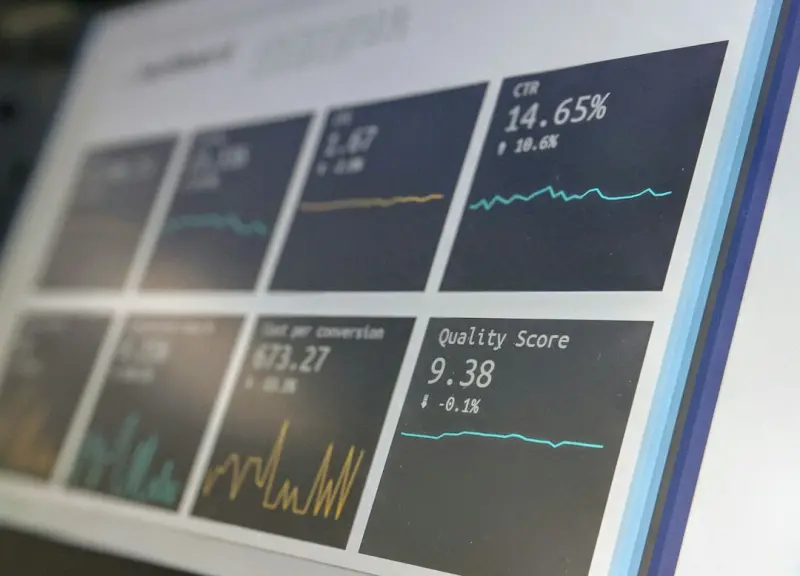
On-Page SEO Reimagined: Structured Data, Linking Architecture, and User Signals
A deep dive into modern on-page SEO for SaaS, covering structured data, strategic internal linking, and user engagement signals that can elevate your site’s v...Read More
Edge‑Driven Technical SEO: How CDNs Are Redefining Rankings
Learn how to leverage edge computing, serverless functions, and CDN‑level optimizations to improve crawlability, Core Web Vitals, and search rankings, all whi...Read More
0 Comments
Post Comment
You will need to Login or Register to comment on this post!