

Why Content Hubs Matter for SaaS Brands
When you stare at a Google SERP and see a single, towering result that seems to answer every facet of a problem, you’re looking at the fruit of a well‑engineered content hub. For SaaS companies, this isn’t just a vanity metric; it’s a direct pipeline to qualified leads, product‑qualified users, and long‑term brand authority. A content hub consolidates topical expertise, signals depth to search engines, and creates a logical pathway for visitors to move from curiosity to conversion—all without relying on external backlinks or paid media.
Designing the Hub Architecture: From Topic to Sub‑Topic
The first step is to map the core problems your product solves. Instead of a flat blog list, you build a hierarchical map: a pillar page that covers the high‑level concept, surrounded by a cluster of supporting articles that dive into specific use cases, integrations, or best‑practice tutorials. This architecture mirrors how Google’s topic models work: a central node (the pillar) gets reinforced by related content, boosting the entire cluster’s relevance.
Start with a brainstorming session that asks:
- What are the primary pain points of our buyer personas?
- Which features of our platform directly address those pains?
- What questions do customers ask in support tickets, webinars, or community forums?
Answering these yields a list of high‑potential topics. Prioritize them based on search volume, commercial intent, and the competitive gap you can fill.
Crafting Pillar Pages That Capture Authority
A pillar page is not a long‑form article; it’s a strategic landing page that offers a comprehensive overview while acting as a hub for deeper content. To make it rank, focus on three pillars of on‑page SEO:
- Keyword Targeting: Identify a primary keyword phrase that encapsulates the core topic (e.g., “SaaS onboarding automation”). Sprinkle related LSI terms naturally throughout headings, body copy, and meta tags.
- Semantic Structure: Use semantic HTML and accessibility techniques—proper heading hierarchy (
<h2>,<h3>), descriptivealtattributes, and ARIA labels—to signal content hierarchy to both users and crawlers. - Value‑First Design: Include an interactive diagram, a short video explainer, or a downloadable checklist that answers the most common “quick‑start” question. This keeps dwell time high and reduces bounce.
When you embed internal links to each supporting article, you create a dense web of relevance that search engines can crawl efficiently.
Interlinking Strategy: The Glue That Holds the Hub Together
Effective interlinking is the engine that powers the hub’s SEO lift. Follow these guidelines:
- Contextual Anchors: Use descriptive anchor text that reflects the target article’s focus (e.g., “configure automated user onboarding” rather than “click here”).
- One‑Way vs. Two‑Way Links: Every supporting article should link back to the pillar, but the pillar should also link out to each article. Avoid over‑linking; a sensible rule of thumb is no more than 3–4 internal links per 500 words.
- Link Depth Control: Keep the click‑depth from the homepage to any supporting article under three clicks. This improves crawl efficiency and user experience.
Remember to audit the link graph regularly—broken links or orphaned pages dilute the hub’s authority.
Optimizing for User Intent and Search Signals
Google’s algorithms are intent‑driven. Each piece of the hub must satisfy a distinct search intent while feeding the broader narrative of the pillar. Classify intent into three buckets:
- Informational: “What is SaaS churn rate?” – Answered by a supporting article with data, charts, and citations.
- Navigational: “SaaS platform onboarding guide” – The pillar page serves as the definitive guide.
- Transactional: “Buy SaaS onboarding automation” – Include a clear CTA, product demo button, or free‑trial form directly on the pillar.
Additionally, incorporate Mobile‑First Core Web Vitals best practices. Fast loading, stable layout shifts, and responsive design are ranking signals that reinforce the hub’s quality in the eyes of Google and users alike.
Measuring Success: Metrics That Matter
Quantifying the impact of a content hub goes beyond simple pageviews. Track these key performance indicators (KPIs):
- Organic Traffic Growth: Compare baseline traffic to the pillar and its cluster over a 90‑day window.
- Keyword Ranking Distribution: Monitor how many keywords in the topic map move into the top 10 positions.
- Engagement Signals: Average time on page, scroll depth, and internal navigation clicks indicate content relevance.
- Lead Generation Velocity: Count form submissions, trial sign‑ups, or demo requests that originate from hub URLs.
Use Google Search Console’s “Performance” report to isolate impressions and clicks for the pillar page, then overlay Google Analytics goals for a holistic view.
Common Pitfalls and How to Avoid Them
Even seasoned marketers stumble when building hubs. Here are the most frequent errors and corrective actions:
- Topic Overlap: Two pillars covering “customer success” and “client retention” can cannibalize each other. Consolidate overlapping concepts into a single, stronger pillar.
- Thin Supporting Content: A cluster of 300‑word articles won’t add authority. Aim for a minimum of 1,200 words, enriched with data, screenshots, and real‑world examples.
- Neglecting Updates: SEO is a living discipline. Schedule quarterly reviews to refresh statistics, add new sub‑topics, and re‑optimize for emerging keywords.
- Ignoring Technical Health: Broken redirects, duplicate meta tags, or missing
canonicallinks sabotage the hub’s crawlability. Run regular site audits to catch these issues early.
Putting It All Together: A Step‑by‑Step Playbook
1. Topic Research: Use keyword tools, SERP analysis, and internal search logs to compile a master list of core topics.
2. Cluster Mapping: Group related sub‑topics under each pillar, visualizing the hierarchy in a spreadsheet or mind‑map.
3. Content Creation: Draft the pillar with a clear, scannable structure; then produce supporting articles that each answer a specific question.
4. On‑Page Optimization: Apply semantic HTML, internal linking, and Core Web Vitals best practices.
5. Launch & Promote: Publish the hub, push it through email newsletters, social channels, and internal knowledge bases.
6. Monitor & Iterate: Track the KPIs outlined above, identify gaps, and expand the cluster over time.
By treating each hub as a strategic SEO asset rather than a one‑off blog post, SaaS companies can create a self‑reinforcing ecosystem of authority that fuels sustainable growth.

Steven Philips loves the great outdoors and is all about getting more folks to appreciate and protect our planet by showcasing its stunning beauty. Steven calls Canada home as he resides in British Columbia with his wife and 3 kids.
Related Posts
Elevate On‑Page SEO with Visual Storytelling and Structured Experience
Learn to optimize visual content—images, videos, interactive tools—using semantic HTML, schema, ... Read More

Unlock Hidden Growth: A Fresh Take on On‑Page SEO Pruning and Refresh Strategies
Learn how strategic content pruning, intent‑aligned on‑page elements, and core web vitals can re... Read More

Revamping On-Page SEO with Strategic Internal Linking
A fresh look at internal linking shows how strategic silos, contextual links, and regular audits can... Read More
Top Posts
The Intent‑First Wave Is Redefining SEO Strategy
Discover why Intent‑First SEO is the hottest trend, how it changes content creation and link building, and practical steps to future‑proof your rankings....Read More

Taming the Crawl: Mastering Crawl Budget and Log Files for SaaS SEO
A deep dive into how SaaS companies can listen to their server logs, manage crawl budget, and prioritize high‑value pages—transforming technical SEO blind s...Read More
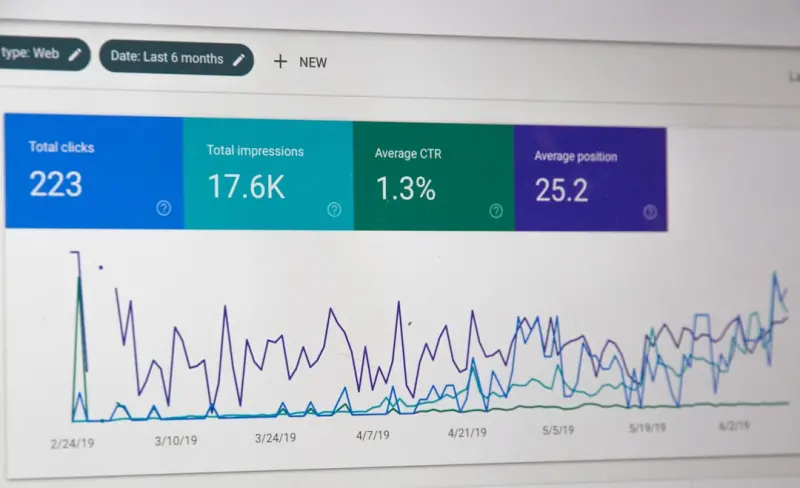
Turning Local Search into a SaaS Sales Funnel: Structured Data, Reviews, and Community Signals
Discover a data‑first, review‑centric, community‑driven approach to local SEO for SaaS, turning geographic queries into qualified sales opportunities....Read More

Why Google SEO Is Changing in 2024 – Rose DesRochers’ Inside View
Rose DesRochers breaks down the biggest 2024 Google SEO changes—AI, Core Web Vitals, and user intent—offering practical tips to keep your site ahead of the ...Read More
0 Comments
Post Comment
You will need to Login or Register to comment on this post!