

When most marketers think about on‑page SEO, the first things that come to mind are keyword density, meta tags, and backlinks. While those fundamentals still matter, the real differentiator today is how the page is experienced by humans and machines alike. In this post I’m pulling back the curtain on a playbook that goes beyond the classic checklist and dives into three interlocking pillars: intentional content layout, interactive micro‑content, and intent‑driven metadata. Together, they form a modern on‑page framework that not only satisfies Google’s evolving algorithms but also delights the visitor enough to turn a bounce into a conversation.
1. Intent‑First Content Architecture
The days of stuffing a page with as many target phrases as possible are over. Google now rewards pages that anticipate the user’s next question and surface the answer in a logical, scannable hierarchy. Start by mapping out the primary search intent—informational, navigational, or transactional—and then break that intent into sub‑intent clusters. Each cluster should become a distinct section with a clear H2 or H3 heading, a concise summary, and supporting bullet points or tables.
Why does this matter? A well‑structured hierarchy signals to Google’s passage ranking engine that your content is segmented into digestible answers. It also reduces friction for readers, increasing dwell time and decreasing pogo‑sticking. Think of it as building a digital road map: the clearer the signs, the more confidently users can navigate, and the more likely Google will reward you with prime SERP real estate.
2. Semantic Richness Without Overkill
Semantic relevance has taken a front‑row seat in the SEO world, especially after the rise of topic clusters. While many of us are already familiar with the concept—see our deep dive on Semantic Topic Clusters—there’s a nuanced layer that often slips through the cracks: semantic markup within the page itself. By embedding <article>, <section>, <aside>, and <nav> elements, you give search engines a clearer picture of the page’s logical flow.
Beyond HTML5 tags, consider lightweight JSON‑LD snippets that describe the page’s purpose—whether it’s a FAQ, a how‑to guide, or a product comparison. These snippets act like a backstage pass for crawlers, allowing them to surface your content in rich results without waiting for a full‑blown schema rollout.
3. Interactive Micro‑Content: The New “Snippet”
Google loves to answer questions directly in the SERP, and users love quick, interactive answers. Embedding micro‑content such as collapsible FAQs, accordions, or even a simple “Calculate Your ROI” widget can turn a static page into an interactive experience. Not only does this boost engagement metrics, but it also positions your page for Zero‑Click SEO opportunities where the answer appears right on the search results page.
Implementation tip: use aria-expanded attributes and ensure the interactive elements are fully accessible. Search engines index content that’s hidden via CSS only if it’s discoverable through the DOM. So, keep the text present in the source, just toggle its visibility with JavaScript. This way, you get the best of both worlds—an engaging UI for humans and indexable content for bots.
4. Visual Hierarchy and Image Optimization
Images remain a powerful on‑page signal, but they’re no longer just decorative assets. Each image should serve a purpose: illustrate a concept, break up dense text, or provide a visual cue that aligns with the user’s intent. Optimize file size for performance, but also add descriptive alt text that reflects the surrounding content’s semantic intent.
When you pair an optimized image with a concise, context‑rich caption, you create an additional textual layer that search engines can crawl. This technique dovetails nicely with the visual SEO strategies we explored in Pixel‑Perfect, reinforcing relevance without sacrificing load speed.
5. Internal Linking as Intent Pathways
Internal links are more than just a way to spread link equity; they act as breadcrumbs that guide both users and crawlers through a web of related intent. When you link from a high‑authority “hub” page to a series of “spoke” pages that each address a sub‑intent, you create a logical network that boosts the topical authority of the entire cluster.
Best practice: use natural, descriptive anchor text that mirrors the target page’s primary keyword phrase. Avoid generic “click here” links, as they provide no contextual signal. Additionally, limit the number of internal links per page to a reasonable amount—typically under 100—to keep the link equity distribution focused.
6. Meta Elements That Match Page Intent
Title tags and meta descriptions are still the first touchpoint in the search journey. Craft them to mirror the exact phrasing of the user’s query, and ensure they set an accurate expectation for what the page delivers. A well‑crafted meta description can improve click‑through rate (CTR), which in turn signals relevance to Google’s ranking algorithms.
Pro tip: incorporate a call‑to‑action that aligns with the page’s ultimate conversion goal—whether it’s “Download the free guide,” “Start your free trial,” or “Explore pricing options.” This alignment nudges users from SERP curiosity to on‑page action.
7. Core Web Vitals as On‑Page Foundations
Technical performance is inseparable from on‑page SEO. Core Web Vitals—Largest Contentful Paint (LCP), First Input Delay (FID), and Cumulative Layout Shift (CLS)—directly impact user experience and, by extension, ranking potential. While many teams treat these metrics as a separate “technical SEO” bucket, they should be baked into the on‑page strategy from the outset.
Start by prioritizing the loading of above‑the‑fold content, leveraging lazy loading for below‑the‑fold images, and minimizing third‑party scripts that introduce latency. When your page loads quickly and remains stable, users stay longer, interact more, and are more likely to convert—creating a virtuous cycle that feeds back into higher rankings.
8. The Role of Freshness and Continuous Optimization
Search engines love fresh content, but freshness isn’t limited to publishing new articles. Revisiting existing high‑performing pages and updating them with new data, refined headings, or additional interactive elements can reignite their ranking potential. Use analytics to identify pages with high impressions but low click‑through or engagement, then apply the intent‑first layout and micro‑content upgrades outlined above.
Schedule quarterly audits: check for broken links, outdated statistics, and opportunities to enrich the page with new schema or interactive widgets. This proactive approach keeps your on‑page assets in sync with evolving user intent and algorithmic preferences.
9. Measuring Success Beyond Rankings
While organic position is a critical KPI, true on‑page SEO success is reflected in user‑centric metrics: average time on page, scroll depth, interaction rates with micro‑content, and conversion pathways. Implement event tracking for accordion expansions, button clicks, and form submissions to capture a holistic view of how users engage with your intent‑driven layout.
Combine this data with search console insights to see which queries are driving the most engaged traffic. Over time, you’ll be able to fine‑tune the balance between SEO signals and user experience, ensuring each page serves as a conversion‑focused landing page rather than just a ranking asset.
10. Future‑Proofing Your On‑Page Strategy
Looking ahead, AI‑generated content, voice search, and immersive experiences will continue to reshape the SERP landscape. By grounding your on‑page work in intent, semantic structure, and interactive relevance today, you set a robust foundation that can adapt to emerging formats. Whether Google rolls out more advanced passage ranking capabilities or introduces new rich‑result types, a page built with clear hierarchy, accessible micro‑content, and strong performance metrics will remain competitive.
In short, the next wave of on‑page SEO isn’t about cramming more keywords; it’s about building pages that think like the user and behave like a high‑performing app. Align your content architecture with intent, sprinkle in interactive micro‑content, and keep performance front‑and‑center. When you do, you’ll not only climb the rankings—you’ll turn those rankings into meaningful business outcomes.

Laura Wilson is a freelance writer specializing in the dynamic and ever-evolving field of health. With a passion for translating complex medical information into accessible and engaging content, Laura brings a wealth of knowledge and a fresh perspective to topics ranging from preventative care and nutrition to cutting-edge research and innovative treatments.
Related Posts

Inclusive On-Page SEO: Turning Accessibility Into Ranking Power
Discover why making your site accessible is a hidden SEO weapon and how to implement inclusive desig... Read More
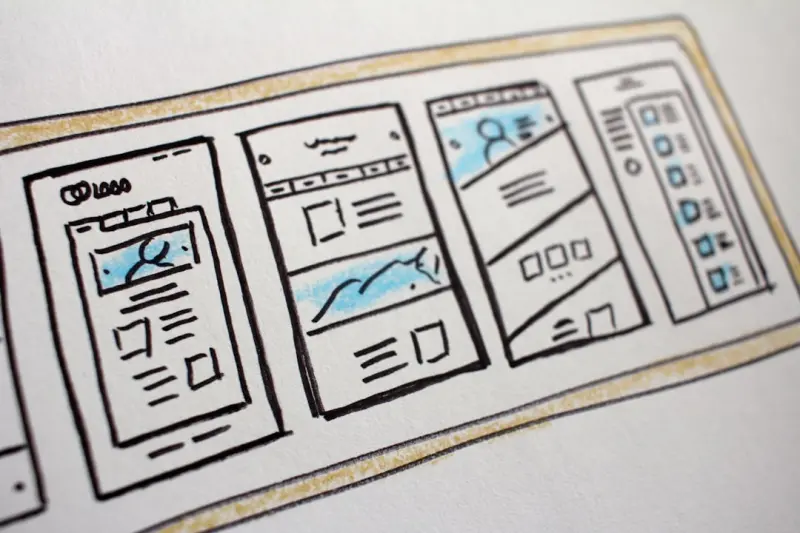
Turning Feature Pages into SEO Powerhouses: A Tactical Guide for B2B SaaS
Feature pages often sit idle on SaaS sites, but with a strategic blend of intent mapping, semantic m... Read More

Content Hubs: The On‑Page Engine That Powers SaaS Growth
Learn a step‑by‑step method for creating content hubs that consolidate expertise, enhance intern... Read More
Top Posts

Zero‑Click SERP Shock: Rethinking SEM Strategies for the New Search Landscape
Zero‑click results now dominate search, challenging traditional SEM metrics. This post reveals how to adapt by targeting featured snippets, leveraging ad exte...Read More
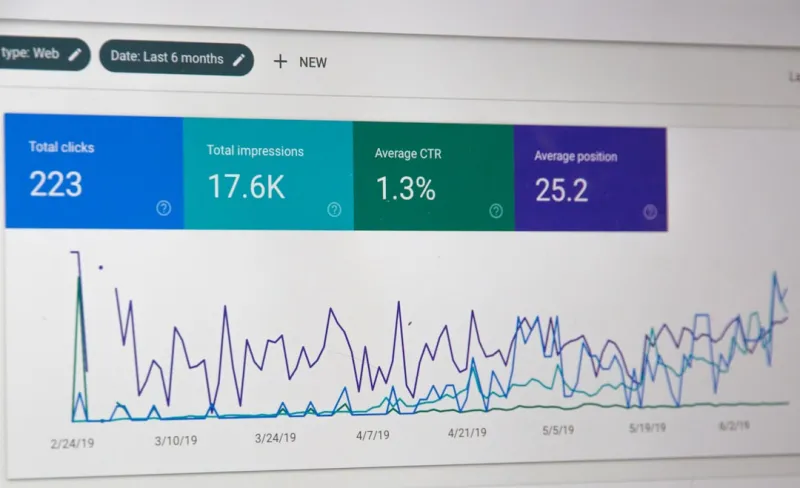
Riding the 2024 Google SEO Wave: Rose DesRochers’ Insider Playbook
Rose DesRochers breaks down the biggest 2024 Google SEO shifts, from AI-driven content to intent signals, giving you a clear roadmap to rank higher....Read More

Intent‑First SEO: The Wave Redefining Modern Search Strategies
Explore the rise of Intent‑First SEO, practical steps to align content with user intent, and real‑world case studies showing measurable impact....Read More

Why Progressive Web Apps Are the Next Frontier in Mobile SEO
Explore why Progressive Web Apps are essential for modern mobile SEO, covering performance tricks, SEO‑friendly rendering, and local “near me” tactics tha...Read More
0 Comments
Post Comment
You will need to Login or Register to comment on this post!