

Why Hyperlocal Voice Search Is the Next Frontier for Neighborhood Businesses
Imagine a shopper strolling down Main Street, asking their phone, “Where can I grab a fresh croissant near me?” That simple query triggers a cascade of data points—location, intent, and timing—that Google interprets in seconds. Hyperlocal voice search differs from traditional text queries because it blends conversational language with precise geographic signals, delivering results that feel tailor‑made for the passerby. For brick‑and‑mortar owners, mastering this nuance means turning a casual spoken request into a steady flow of foot traffic.
Reimagining Your Google Business Profile for Conversational Queries
The heart of voice‑driven discovery is the Google Business Profile (GBP); it’s the first stop when a device says, “Hey Google, show me the best pizza place.” To capture that spotlight, businesses must move beyond a static address and phone number, weaving in natural‑language descriptions that echo how people actually speak. Think of phrases like “cozy spot for late‑night coffee” or “family‑friendly brunch with free Wi‑Fi” and embed them in the “From the business” section, ensuring each line mirrors the cadence of a spoken query. Consistent NAP data across citations reinforces trust, while high‑resolution photos and regular posts keep the profile fresh for both users and algorithms.
Crafting FAQ‑Style Schema to Answer the Questions Your Neighbors Ask
Search engines love structured data, and when it’s presented as FAQ schema, it becomes a goldmine for voice assistants. Identify the top three questions locals pose about your service—think “Do you accept cash?” or “What’s your pet‑friendly policy?”—and embed them using FAQPage markup on your website’s contact or about page. This not only boosts the chances of appearing in a voice answer box but also positions your brand as the go‑to authority for neighborhood queries. By delivering concise, accurate answers, you reduce the friction between curiosity and conversion, turning a spoken question into a booked appointment.
Partnering with Micro‑Influencers Who Speak the Local Language
Micro‑influencers—those with 1K‑10K hyper‑engaged followers—often serve as the informal voice of a community, and their endorsements can amplify voice‑search relevance. Collaborate on short video clips or Instagram Stories where they ask, “Hey Google, where can I find the best organic bakery?” and then showcase your shop as the answer. When these creators tag your business and include location‑specific keywords, search engines associate those spoken phrases with your brand, nudging your GBP higher in voice results. The ripple effect extends to their followers, who are more likely to issue the same voice command, creating a virtuous loop of discovery.
Building Local Citations That Echo Across Voice Assistants
Every citation—whether on Yelp, TripAdvisor, or a neighborhood chamber directory—feeds the data pool that voice assistants draw from. Prioritize platforms that are widely integrated with Google’s knowledge graph, ensuring your business name, address, and phone number (NAP) are identical everywhere. A quick audit using tools like BrightLocal or Moz Local can reveal inconsistencies; fixing them can improve the confidence Google places in your listing, leading to higher rankings for spoken queries. Additionally, encourage niche citations such as “Best Local Coffee” round‑ups; these thematic mentions reinforce relevance for specific voice‑search intents.
Encouraging Video Reviews to Capture the Sound of Satisfaction
While written reviews remain vital, video testimonials tap directly into the auditory nature of voice search. Invite satisfied customers to record a brief clip describing their experience—mentioning specific services, the ambience, or even the exact phrasing they used when searching for you. Host these videos on your site and embed them in your GBP posts, tagging them with relevant local keywords. Search engines can index the spoken content, enriching your profile with natural‑language signals that align with voice queries. Moreover, authentic video reviews boost credibility, turning skeptical passersby into confident patrons.
Leveraging Conversational Chatbots to Guide Voice‑Search Users
Integrating a chatbot on your website that mimics natural speech can keep visitors engaged after they arrive via a voice search result. Design the bot to answer follow‑up questions like “What are your opening hours on holidays?” or “Do you offer curbside pickup?” in a conversational tone, mirroring the way users originally spoke to their device. This continuity reinforces the relevance of your content, signaling to Google that your site satisfies the user's intent, which can improve rankings for similar future voice queries. Plus, the chatbot collects valuable data on emerging question trends, allowing you to refine your FAQ schema over time.
Measuring Success: From Voice Impressions to In‑Store Visits
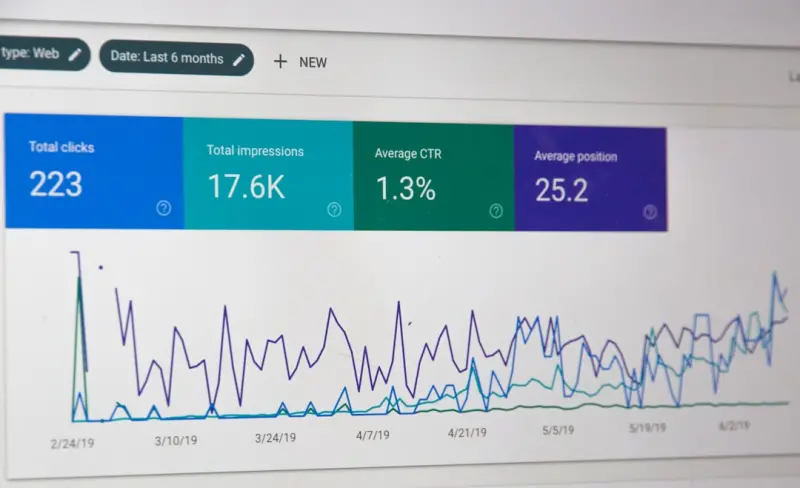
Tracking the impact of hyperlocal voice SEO requires a blend of analytics tools. Start by monitoring GBP insights for “searches where Google provided a direct answer” and compare them against foot‑traffic counters or POS data. Use UTM parameters on GBP posts that link to a special landing page, enabling you to attribute visits to specific voice‑driven campaigns. Additionally, set up Google Search Console’s “Performance” report filtered for “voice search” queries to see impressions, clicks, and average positions. By quantifying the journey from spoken query to physical entry, you can fine‑tune tactics for maximum ROI.
Future‑Proofing Your Hyperlocal Voice Strategy
As voice assistants become more context‑aware, the next wave will favor businesses that can personalize responses based on user habits, time of day, and even weather conditions. Experiment with dynamic GBP posts that highlight “rainy‑day specials” or “summer happy hour” and align them with seasonal voice queries. Stay ahead by regularly updating FAQ schema with emerging local slang or trending phrases—think “best vegan brunch spot” versus “vegan brunch near me.” By continuously listening to how your community talks, you’ll ensure your business remains the first answer spoken aloud, turning casual curiosity into loyal footfall.

Miranda Murphy: Experienced freelance writer with a decade of storytelling expertise. Let's create something amazing together!
Related Posts

Local SEO Playbook: Community‑Driven Ranking Boost
Learn how to dominate local search by mapping micro‑communities, creating hyper‑local content hu... Read More

From Town Halls to Top Rankings: A SaaS Playbook for Event‑Driven Local SEO
Discover a step‑by‑step guide that shows SaaS companies how to leverage community events, struct... Read More

Turn Community Events into Local SEO Gold
Learn to transform community events into powerful SEO assets, using local partnerships, schema marku... Read More
Top Posts

Google SEO 2024: Rose DesRochers’ Insider Playbook for Riding the AI Wave
Rose DesRochers breaks down the 2024 SEO landscape, revealing AI, Core Web Vitals, and link building tactics that will boost your rankings and traffic....Read More

Unlocking SEO Superpowers with WordPress Custom Post Types
A deep dive into leveraging WordPress custom post types and taxonomies for SEO, with practical steps, tools, and best practices to enhance visibility and rankin...Read More

Privacy‑First SEO: Winning Strategies in a Cookieless World
In a landscape where third‑party cookies are disappearing, SaaS marketers must pivot to privacy‑first SEO. This guide offers actionable tactics—from first...Read More
Unlocking Google SERP Real Estate: How SaaS Brands Can Turn Snippets, PAA, and Knowledge Panels into Lead Magnets
This guide shows SaaS marketers a three‑phase framework—Scout, Shape, Scale—to identify, optimize, and dominate Google SERP features, turning zero‑click...Read More
0 Comments
Post Comment
You will need to Login or Register to comment on this post!