
Why Zero‑Click Local Search Is the New Frontier for SaaS Brands
When I first saw a Google search result that answered my question without me ever clicking a link, I felt both awe and a twinge of panic. The snippet was perfect, the map pin was spot‑on, and the “Ask a local expert” widget answered my query in seconds. That moment was a wake‑up call: if prospects can get what they need straight from the SERP, how do we—especially SaaS companies that traditionally rely on deeper funnel content—still capture that attention?
Understanding the Zero‑Click Landscape
Zero‑click searches are no longer a fringe phenomenon; they now account for roughly 65% of all queries on Google. For local intent—“best project‑management tool near me”, “CRM software for small towns”, “data‑analytics SaaS in Austin”—the majority of users never scroll past the knowledge panel, local pack, or featured snippet. That means the classic “get on the first page” mantra is evolving into “own the first answer”. For SaaS marketers, this shift demands a new blend of hyper‑local relevance, structured data precision, and community‑driven authority.
Hyper‑Local Content: The Engine That Powers Zero‑Click Wins
Creating content that speaks directly to a city, neighborhood, or even a specific business district can catapult your brand into that coveted top‑of‑the‑SERP space. Think beyond generic blog posts about “CRM best practices” and start asking: What does a small boutique in Brooklyn need from a CRM? How does a tech hub in Seattle solve data‑privacy challenges? Answer those questions with dedicated landing pages, case studies, and short guides.
When you embed location‑specific keywords naturally—“CRM for Brooklyn boutiques”, “Seattle data‑privacy SaaS”—Google’s algorithms see you as the go‑to resource for that micro‑audience. Pair this with semantic topic clusters that group these hyper‑local pages under a broader pillar like “Regional SaaS Solutions”. This not only improves internal linking but also signals to Google that you cover the full ecosystem of a locale, increasing the chance of a featured snippet or local pack appearance.
Structured Data: Speaking Google’s Language Fluently
If content is the heart, structured data is the voice that lets Google hear you clearly. While many SaaS teams focus on schema for products and reviews, the LocalBusiness schema remains underutilized. By embedding fields such as address, geoCoordinates, openingHours, and serviceArea, you hand Google a ready‑made answer box.
But don’t stop at the basics. Leverage hasOfferCatalog to surface trial offers or free‑tier plans directly in the knowledge panel. Include priceRange and paymentAccepted so prospects instantly know if your SaaS fits their budget. A well‑crafted JSON‑LD snippet can be the difference between a user scrolling for more info and a conversion happening right from the SERP.
Community Partnerships: The Secret Sauce for Local Link Authority
Backlink building in a local context isn’t about acquiring generic directories; it’s about forging genuine relationships with community institutions. Sponsor a local tech meetup, host a webinar for a city’s small‑business association, or contribute a guest post to a neighborhood news site. These collaborations earn you high‑quality local backlinks that Google treats as strong signals of relevance.
Beyond links, these partnerships often lead to mentions in local newsletters, event calendars, and even city government sites—each a tiny but potent data point that tells Google, “This SaaS lives here.” When combined with your hyper‑local pages and structured data, the authority boost is exponential.
Zero‑Click Optimization Checklist (SaaS Edition)
- Map Your Micro‑Markets: Identify the top 5–10 cities or neighborhoods where your current customers reside. Use CRM data or Google Analytics to pinpoint high‑value locales.
- Create Dedicated Landing Pages: For each micro‑market, publish a page that answers the most common local queries, includes testimonials from local clients, and showcases relevant case studies.
- Implement LocalBusiness Schema: Add comprehensive JSON‑LD to each landing page, covering address, service area, contact info, and any special offers.
- Develop Semantic Clusters: Group your local pages under broader pillars (e.g., “SaaS for Retail in the Midwest”). See semantic topic clusters for a deeper dive.
- Earn Community Backlinks: Partner with local chambers of commerce, industry meetups, and city‑run business portals. Offer to provide a free trial or exclusive discount to their members.
- Leverage User‑Generated Content: Encourage local users to leave Google Business Profile reviews that mention specific city or neighborhood details. This reinforces geographic relevance.
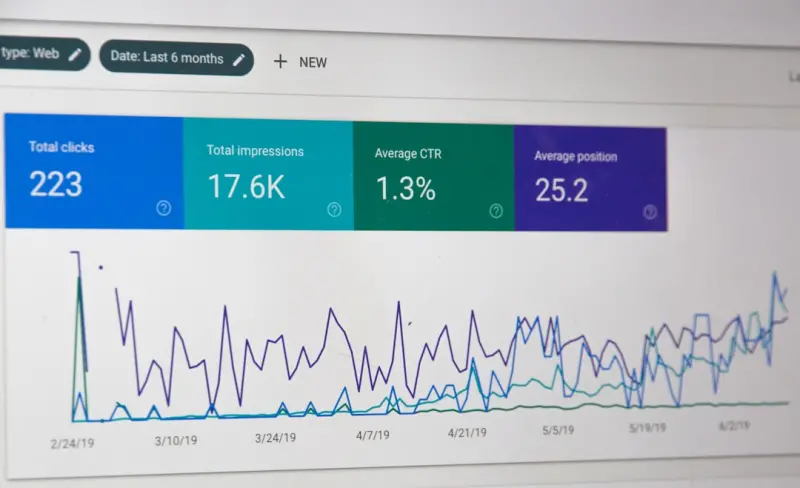
- Monitor Zero‑Click Metrics: Use Google Search Console’s “Performance” report to track impressions for local queries, even if clicks are low. Adjust content based on impression trends.
Turning Zero‑Click Wins Into Funnel Flow
It’s tempting to think that if a user never clicks, the lead is lost. In reality, zero‑click SERP features often include call‑to‑action buttons—“Call”, “Visit website”, “Get directions”. By ensuring your Google Business Profile or Knowledge Panel lists a direct trial link or a phone number for a live demo, you capture intent before the user even lands on your site.
From there, integrate a conversion‑focused on‑page SEO funnel. The landing page the user lands on after clicking “Visit website” should immediately surface a concise value proposition, a short video, and a prominently placed CTA (free trial, schedule a demo). The smoother the transition from SERP to sign‑up, the higher your conversion rate.
Measuring Success: Beyond Rankings
Traditional SEO metrics—rankings, organic traffic—still matter, but zero‑click success demands additional KPIs:
- Impression Share for Local Queries: A rise indicates Google is serving your snippet more often.
- Click‑Through Rate from Knowledge Panel CTA: Even a 1% CTR can translate into dozens of qualified leads per month.
- Local Review Volume and Sentiment: Positive, location‑specific reviews boost both SERP appearance and trust.
- Referral Traffic from Community Sites: Track UTM‑tagged backlinks from local partners.
Regularly audit these metrics in your dashboard and iterate. If a particular city’s impressions plateau, consider adding a new case study or a video testimonial from a local client to revitalize relevance.
Future‑Proofing Your Local SEO Strategy
Google is continuously refining its local algorithms, and the rise of AI‑driven answers means the bar for relevance keeps climbing. To stay ahead:
- Adopt AI‑generated local FAQs: Use a language model to generate city‑specific question‑answer pairs, then manually verify for accuracy.
- Integrate Voice Search Optimization: Many zero‑click queries originate from voice assistants. Phrase your content to match conversational queries like “What SaaS can help my downtown bakery manage inventory?”
- Stay Agile with Schema Updates: Google frequently adds new properties to the
LocalBusinessschema. Subscribe to schema.org newsletters to keep your markup current.
Wrapping Up: From Zero‑Click to Zero‑Friction
Zero‑click local search isn’t a threat; it’s an invitation to meet prospects exactly where they are—right on the search page. By delivering hyper‑local, schema‑rich content, building authentic community links, and turning SERP CTAs into seamless funnel steps, SaaS brands can convert what once felt like a dead‑end into a direct pipeline.
Remember, the goal isn’t just to appear in the local pack; it’s to become the first answer that users trust enough to act on without ever leaving Google. When you master that, you’ve turned a modern SEO challenge into a powerful growth engine.

Becky Putman is an Ottawa-based freelance writer and marketing professional with a passion for storytelling, animals, and community involvement. She enjoys creating engaging content that informs, inspires, and connects with readers.
Related Posts

Local SEO Playbook: Turning City‑Specific Searches into SaaS Wins
Discover a step‑by‑step local SEO strategy for SaaS businesses, from geo‑targeted landing page... Read More

Hyper‑Local Storytelling: Turning Neighborhood Narratives into SEO Gold
Learn to harness neighborhood stories, event calendars, and real‑time social signals to dominate l... Read More

Local SEO Playbook: Community‑Driven Ranking Boost
Learn how to dominate local search by mapping micro‑communities, creating hyper‑local content hu... Read More
Top Posts

Programmatic SEM: Turning Every Search Auction Into a Tailored Revenue Engine
Programmatic SEM transforms traditional paid search by leveraging real‑time bidding algorithms, first‑party signals, and dynamic ad copy, delivering higher ...Read More

Riding the 2024 Google SEO Wave: Rose DesRochers’ Insider Playbook
Rose DesRochers reveals the 2024 Google SEO playbook, blending AI‑assisted content, contextual ranking, and core web vitals to help marketers dominate the SER...Read More

Riding the Intent‑First Wave: How Marketers Can Stay Ahead in SEO
Explore the rise of intent‑first SEO, its impact on rankings, and practical steps marketers can take today to harness this powerful shift....Read More
Schema & Rich Snippets: A SaaS SEO Playbook
Discover why structured data is the missing link in SaaS SEO and how to implement product, FAQ, and review schema to earn rich snippets, improve CTR, and accele...Read More
0 Comments
Post Comment
You will need to Login or Register to comment on this post!