

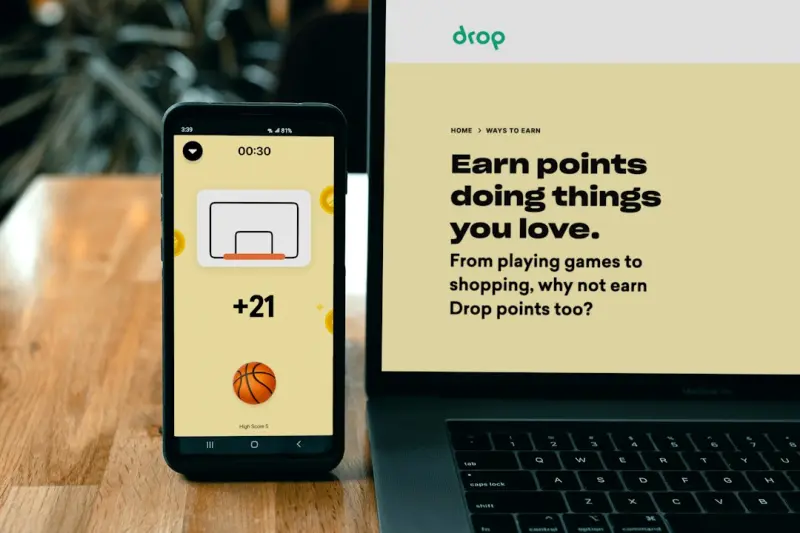
When I first walked into a boutique that had a digital “spin‑to‑win” wheel on its checkout screen, I felt the same rush I get when a new SaaS feature finally lands in production—equal parts excitement and a little skeptical curiosity. The wheel wasn’t just a gimmick; it was a strategic shift from selling products to delivering an experience that feels more like a game than a transaction. That moment sparked a deeper exploration into how gamification can become the secret weapon in an eCommerce marketer’s toolkit.
Why Gamification Isn’t Just a Trend, It’s a Behavioral Shift
Traditional eCommerce tactics—discount codes, email blasts, and retargeting—still work, but they’re increasingly fighting for attention in a noisy digital landscape. What shoppers really crave is engagement that feels personal, rewarding, and fun. Gamification taps directly into the brain’s dopamine pathways. Every click, badge, or point earned releases a tiny hit of pleasure, encouraging repeat behavior.
In practice, this means moving beyond the one‑off “10 % off your first order” offer and building a persistent loop where shoppers earn points for browsing, sharing, reviewing, and even for simply spending time on product pages. Those points can be redeemed for exclusive perks, early‑access drops, or even charitable donations—creating a sense of agency that standard discounts can’t match.
Designing the Core Game Loop for Your Store
The heart of any successful game is its loop: action → feedback → reward → next action. Translating this into eCommerce looks like:
- Action: Add a product to the cart, write a review, share a product on social media, or watch a brand video.
- Feedback: Real‑time pop‑ups, progress bars, or animated confetti that confirm the action was registered.
- Reward: Points, badges, tier upgrades, or tangible discounts.
- Next Action: Recommendations for the next challenge—e.g., “Earn double points by completing a product quiz.”
When each element feels seamless, shoppers get caught in a self‑reinforcing cycle that turns casual browsers into brand advocates.
Layering Loyalty Programs with Game Mechanics
Most eCommerce sites already have loyalty programs, but they’re often static—earn 1 point per dollar, redeem at 500 points. To gamify, you need to introduce:
- Dynamic Point Multipliers: Offer “double‑point days” tied to product launches or seasonal events.
- Tiered Badges: Visual symbols of achievement (e.g., “Fashion Explorer,” “Review Master”) that appear on user profiles and can be shared.
- Social Challenges: Encourage users to form “teams” and compete for leaderboards, driving organic reach.
These layers transform a passive point‑earning system into an interactive playground.
Real‑Time Personalization Powered by First‑Party Data
To keep the game fresh, you must personalize challenges based on each shopper’s behavior. That’s where privacy‑first data strategies become essential. By collecting consented browsing history, purchase patterns, and interaction metrics, you can serve hyper‑relevant quests:
- A shopper who frequently views sneakers gets a “complete the sneaker collection” badge challenge.
- Someone who abandons carts receives a “rescue mission” prompt with a modest point bonus for completing the purchase.
Because the data lives in your own ecosystem, you sidestep third‑party cookie restrictions while delivering experiences that feel tailor‑made.
Turning Reviews into a Game Engine
Customer reviews are gold, but they’re often underutilized. By framing reviews as quests, you unlock a powerful engagement loop. For example, award “Insightful Reviewer” badges for reviews longer than 150 characters, or grant extra points for photos and videos. This not only fuels fresh user‑generated content but also boosts SEO signals.
Read more about how reviews can power an SEO engine here.
Audio‑First Commerce: Adding a New Sensory Layer
While many brands focus on visual storytelling, an emerging trend is audio‑first commerce. Imagine a shopper earning points by listening to a brand podcast episode or a product’s audio description. Voice‑activated quizzes can unlock bonus points, turning the listening experience into a participatory game.
This multimodal approach caters to users on the go, especially those who consume content while commuting or exercising, expanding the touchpoints where your gamified loop can operate.
Case Study Snapshot: How a Mid‑Size Fashion Retailer Boosted Repeat Purchases by 38%
Consider the story of Threaded Pulse, a boutique clothing brand that integrated a gamified loyalty system:
- They introduced “Style Quest” challenges, rewarding points for creating outfit collages on Instagram and tagging the brand.
- Dynamic multipliers were tied to seasonal collections, encouraging shoppers to engage with new arrivals.
- Within three months, average order value rose 12 %, and repeat purchase rate jumped 38 %.
The secret wasn’t just the points; it was the sense of community built around shared challenges and the social proof generated by user‑generated content.
Pitfalls to Watch Out For
Gamification can backfire if you ignore the following:
- Over‑Complexity: Too many layers can overwhelm users. Start simple—one core loop, then iterate.
- Reward Inflation: If points become too easy to earn, they lose perceived value. Balance effort and reward.
- Neglecting Accessibility: Ensure all game elements are keyboard‑navigable and have appropriate ARIA labels for screen readers.
- Data Privacy Missteps: Always be transparent about data collection and give users control over their preferences.
The Future: AI‑Driven Adaptive Game Mechanics
Artificial intelligence is poised to take gamified eCommerce to the next level. Predictive models can dynamically adjust challenge difficulty, point values, and reward types based on a shopper’s engagement history. Think of an AI “Game Master” that personalizes quests in real time, ensuring each user feels uniquely challenged and motivated.
Coupled with real‑time analytics, marketers will be able to A/B test entire game loops, not just isolated offers, refining the experience with the same rigor we apply to CRO experiments.
Putting It All Together: A Starter Checklist
- Define a clear core loop that aligns with your business goals.
- Map out reward tiers and visual badges that resonate with your brand voice.
- Integrate a consent‑driven first‑party data layer for real‑time personalization.
- Leverage existing assets—reviews, audio content, social media—to create multi‑channel challenges.
- Launch a pilot with a small segment, gather feedback, and iterate.
- Scale the system, monitor key metrics (repeat purchase rate, average order value, engagement time), and refine AI‑driven adaptations.
Gamification isn’t a silver bullet, but when woven into the fabric of your eCommerce strategy, it creates a magnetic pull that keeps shoppers coming back, eager to earn their next badge, unlock the next level, and share their victories with friends. The next time you think about boosting sales, stop hunting for another discount code and start building a game that shoppers can’t resist playing.

Karen Edwards is a seasoned freelance writer with a passion for all things furry, feathered, and scaled. With a dedicated focus on pets, she brings a wealth of knowledge and a keen eye for detail to her writing.
Related Posts

Live Shopping: The eCommerce Growth Engine You’re Missing
Learn why real‑time, interactive live shopping experiences are reshaping eCommerce marketing, from... Read More
Community‑Powered Content: The Missing Piece in eCommerce Marketing
Community‑generated content transforms shoppers into brand advocates, delivering authentic social ... Read More

Augmented Reality: The Next Frontier for eCommerce Marketing
Explore the power of augmented reality in eCommerce marketing, uncovering immersive shopping experie... Read More
Top Posts

JavaScript Rendering & Crawl Budget: A SaaS Technical SEO Playbook
A deep dive into JavaScript rendering strategies, crawl‑budget management, and structured data for SaaS sites, offering actionable steps to turn heavy‑scrip...Read More

Elevating On‑Page SEO with User Experience: From Core Web Vitals to Content Refresh
Learn how user‑experience signals—from load speed to accessibility—can transform your on‑page SEO, driving higher rankings, engagement, and conversions....Read More

Mastering E‑A‑T on WordPress: A Practical Guide for Authority‑Driven Rankings
A step‑by‑step guide shows how to embed expertise, authoritativeness, and trust into WordPress—from author schema to multisite authority segregation—so ...Read More

SEO News: Rose DesRochers Decodes 2024’s Biggest Shifts
Rose DesRochers breaks down the biggest SEO trends of 2024, highlighting AI’s role, intent‑driven content, and the new authority signals shaping search rank...Read More
0 Comments
Post Comment
You will need to Login or Register to comment on this post!