
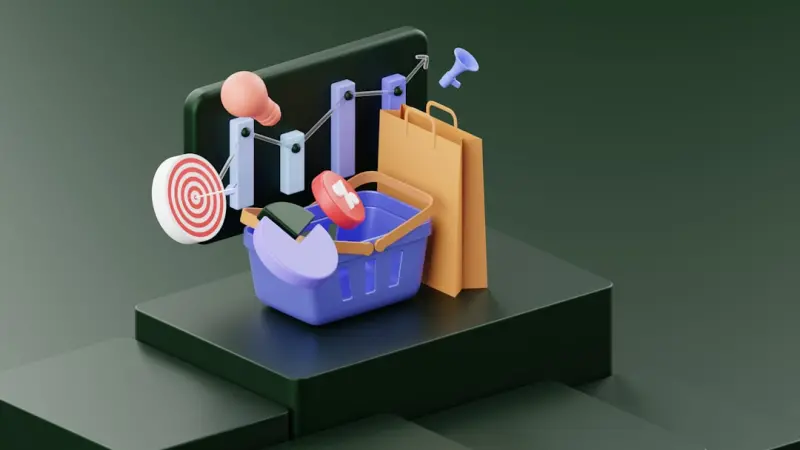
Why Live Shopping Is the Secret Weapon Your eCommerce Brand Needs
When I first walked into a virtual showroom that felt more like a live‑streamed party, I knew the future of eCommerce was being rewired right in front of my eyes. No longer are we talking about static product pages and solitary checkout funnels. The most successful brands today are inviting shoppers into an interactive, real‑time experience that blends the immediacy of live video with the convenience of online purchasing. This isn’t a fleeting trend—it’s a structural shift that redefines how we think about acquisition, engagement, and loyalty.
The Psychology Behind Real‑Time Shopping
Human beings are wired for social interaction. We trust recommendations from friends, influencers, and even strangers who appear genuine on camera. Live shopping taps into three core psychological triggers:
- Scarcity & Urgency: Limited‑time offers shouted out in real time create a fear‑of‑missing‑out that static pages can’t replicate.
- Social Proof: Viewers can see others in the chat reacting, asking questions, and buying, which builds confidence.
- Authenticity: Live video reveals product textures, fit, and usage in a way polished images can’t, reducing perceived risk.
When you combine these triggers with a seamless checkout overlay, you turn passive browsers into decisive buyers—often within the same five‑minute window.
Building the Technical Backbone
Before you launch a live shopping series, make sure your tech stack can handle the pressure. Here are the non‑negotiables:
- Scalable Streaming Infrastructure: Choose a CDN that can dynamically allocate bandwidth based on viewer spikes. Server‑less architectures and edge computing are game‑changers here.
- Integrated Shopping Cart: Your video player should overlay a “Buy Now” button that syncs with product SKUs in real time. Avoid redirecting users away from the stream; friction kills conversion.
- Analytics & Attribution: Capture click‑through rates, dwell time, and post‑stream purchase data. Tie these metrics back to your CRM so you can nurture new leads with personalized follow‑ups.
If you’re already comfortable with visual search tactics, you’ll recognize that the same attention to image loading speeds and metadata applies to video frames. Treat each second of stream like a searchable asset, tagging product names and key attributes so they surface in platform‑wide recommendations.
Content Strategy: From Script to Spontaneity
One myth about live shopping is that it must be fully scripted. The best performers strike a balance: they prepare a loose outline of talking points, product benefits, and call‑to‑actions, but leave room for genuine interaction. Here’s a simple framework:
- Hook (0‑30 seconds): Capture attention with a bold statement or teaser—think “We’re unveiling the only jacket that stays warm at 0° without bulk.”
- Demo (30‑180 seconds): Show the product in action. Highlight textures, fit, and any unique mechanisms. Encourage viewers to ask questions in the chat.
- Social Proof (180‑240 seconds): Pull in live comments, user‑generated photos, or short clips of customers using the product.
- Offer (240‑300 seconds): Introduce a limited‑time discount, bundle, or exclusive accessory that appears only for viewers.
- Close (300‑360 seconds): Reinforce scarcity (“Only 20 units left”) and provide a clear “Buy Now” CTA.
This rhythm keeps the audience engaged, while the data you collect during each segment helps you refine future scripts.
Choosing the Right Hosts
Whether you enlist a charismatic brand ambassador, a niche influencer, or a knowledgeable product specialist, the host must embody three qualities:
- Authority: They should know the product inside out and be able to answer technical questions on the fly.
- Relatability: Audiences respond best to hosts who speak their language, share personal anecdotes, and show genuine enthusiasm.
- Performance Skill: Live video demands comfort with cameras, timing, and improvisation. A brief rehearsal can weed out stage fright.
If you’re unsure which influencer to partner with, consider the Zero-Click Search mindset: choose creators whose audiences already discover your brand without a click—meaning they trust the creator’s recommendations enough to act immediately.
Monetizing the Experience Beyond Direct Sales
Live shopping opens up ancillary revenue streams that static product pages simply can’t support:
- Sponsored Segments: Allow complementary brands to take a short ad slot during the stream (e.g., a shoe brand during a clothing demo).
- Affiliate Links: Offer a unique discount code for viewers that tracks referral sales.
- Data Licensing: Aggregate anonymized engagement metrics and sell insights to market research firms or partners.
Remember, the key is to keep the viewer’s experience front‑and‑center. Over‑commercializing the stream can erode trust and diminish the “live” authenticity you worked so hard to build.
Measuring Success: The KPIs That Matter
Traditional eCommerce metrics like conversion rate and average order value still apply, but live shopping adds a layer of real‑time engagement data. Track these core KPIs:
| KPI | Why It Matters |
|---|---|
| Peak Concurrent Viewers | Shows the draw of your promotion and helps size future infrastructure. |
| Chat Engagement Rate | Higher chat activity correlates with stronger purchase intent. |
| Click‑Through to Purchase | Measures the efficiency of your in‑stream CTA. |
| Post‑Stream Conversion (24‑48h) | Captures delayed purchases from viewers who needed time to decide. |
| Repeat Purchase Rate | Indicates whether the live experience fostered lasting loyalty. |
Combine these with cohort analysis to see how first‑time viewers compare with repeat participants. Over time you’ll discover the sweet spot for frequency—too often, and the novelty wears off; too sparse, and you lose momentum.
Integrating Live Shopping With Your Existing Funnel
Live events should not exist in a vacuum. Here’s how to weave them into every stage of the customer journey:
- Awareness: Promote the upcoming stream through email teasers, social ads, and push notifications. Use short behind‑the‑scenes clips to build intrigue.
- Consideration: Repurpose the recorded stream as on‑demand content on product pages. Add timestamps so shoppers can jump directly to the demo they care about.
- Conversion: Embed a “Buy Now” widget that appears when the recorded video reaches the original offer moment.
- Loyalty: Invite post‑purchase customers to exclusive “VIP only” live sessions where they can preview upcoming launches.
This continuity ensures the excitement generated during the live event fuels long‑term revenue, not just a one‑off spike.
Case Study: A Mid‑Size Apparel Brand’s 3‑Month Sprint
To illustrate the impact, let’s walk through a real‑world example (names changed for privacy). The brand launched a weekly live shopping series featuring a rotating line of seasonal jackets. Here are the results after twelve weeks:
- Average Live Viewership: 8,000 unique viewers per session, a 250% increase over their typical site traffic.
- Conversion Rate During Stream: 12%, compared to the site’s baseline of 3%.
- Post‑Stream Revenue (48h): Generated an additional $45,000, accounting for 35% of the month’s total sales.
- Customer Retention: 22% of live purchasers returned for a second purchase within the next month, versus 8% of non‑live buyers.
The brand attributed success to three pillars: a charismatic host with product expertise, real‑time inventory updates that highlighted scarcity, and a post‑event email that included a personalized “thank you” video clip. Replicating this formula for other product categories can yield comparable lifts.
Overcoming Common Pitfalls
Even with careful planning, teams stumble on a few predictable obstacles:
- Technical Glitches: Buffering or dropped streams break trust. Mitigate by running a dry‑run, using adaptive bitrate streaming, and having a backup fallback (e.g., a pre‑recorded version).
- Inventory Mismatch: Promoting out‑of‑stock items looks sloppy. Sync your inventory management system with the live platform in real time.
- Audience Fatigue: Over‑scheduling can dilute excitement. Aim for a cadence that balances anticipation and availability—usually weekly or bi‑weekly for niche brands.
- Regulatory Compliance: If you run sweepstakes or limited‑time offers, ensure you’re following local advertising regulations and clearly disclose terms.
Addressing these issues upfront preserves the credibility that makes live shopping such a potent conversion driver.
Future Outlook: AI‑Powered Hosts and Shoppable AR
Looking ahead, the intersection of artificial intelligence, augmented reality, and live streaming will push the envelope even further. Imagine an AI‑generated host that can instantly translate product details into multiple languages, or a shoppable AR overlay that lets viewers try on clothing virtually while the presenter narrates. While these technologies are still maturing, early adopters who experiment now will own the narrative when they become mainstream.
In the meantime, the most actionable step is simple: schedule your first live session, pick a product you’re passionate about, and treat the stream as a live‑tested sales pitch. Measure, iterate, and let the data guide you. The live shopping wave is rising—catch it before it becomes the next “old school” marketing channel.

Steph Sanderson is a Toronto-based freelance writer and content creator with a clear passion: crafting compelling articles. With a dedication to clear, engaging prose and a knack for storytelling, Steph brings a wealth of experience to every project.
Related Posts
Hyper‑Personalization, AR, and Token Loyalty: The Next Wave of eCommerce Marketing
A practical guide to modern eCommerce marketing: leverage first‑party data for hyper‑personalize... Read More

Shoppable Livestreams: Turning Real‑Time Interaction into eCommerce Gold
Explore the power of shoppable livestreams to transform real‑time video into a high‑conversion s... Read More
Turning the eCommerce Funnel Into a Real‑Time Revenue Engine
A fresh look at eCommerce marketing: leverage micro‑moments, AI recommendations, shoppable video, ... Read More
Top Posts
Headless CMS Meets Technical SEO: Strategies for SaaS Success
A practical guide for SaaS marketers on merging headless CMS flexibility with technical SEO fundamentals, covering rendering, indexing, and performance optimiza...Read More

Greener SEM: Cutting Ad Waste to Boost SaaS ROI
A deep dive into sustainable SEM for SaaS, covering waste audits, AI‑powered budgeting, first‑party data integration, and a practical checklist to cut waste...Read More

Surfing the 2024 Google SEO Tide: Rose DesRochers’ Insider Playbook
Rose DesRochers shares her 2024 SEO playbook, blending user intent, AI tools, and authority signals into an actionable roadmap for higher rankings....Read More

Beyond Keywords: The New Science of On‑Page SEO Experience
A fresh take on on‑page SEO that blends semantic markup, readability, and performance, giving you a roadmap to outrank competitors and delight users alike....Read More
0 Comments
Post Comment
You will need to Login or Register to comment on this post!