
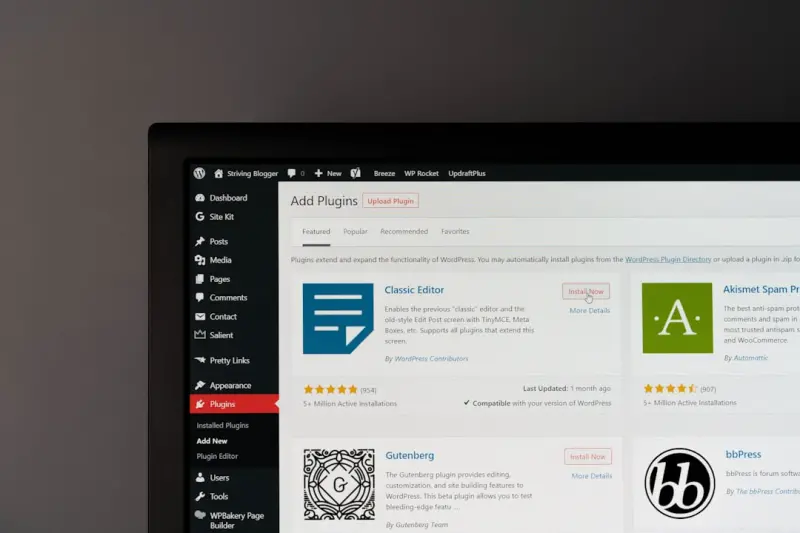
Why E‑A‑T Is the Secret Sauce for WordPress Rankings
When I first started tweaking WordPress sites for search, the focus was on keywords and backlinks. Those were the holy grails. Over the past few years, Google has sharpened its lens on Expertise, Authoritativeness, and Trustworthiness (E‑A‑T). For WordPress publishers, mastering E‑A‑T isn’t just a nice‑to‑have—it’s a survival skill. In this post I’ll walk you through a pragmatic, step‑by‑step framework that turns a vanilla WordPress install into an authority engine.
1. Map Your Content to Real‑World Expertise
WordPress makes it effortless to publish, but it doesn’t automatically validate who’s behind the words. The first thing you need is a clear map that ties each piece of content to a qualified expert.
- Define author roles. Create distinct user roles such as Subject‑Matter Expert, Editor, and Contributor. WordPress’s built‑in capabilities let you assign custom capabilities without plugins.
- Showcase credentials. Use a dedicated
author-biotemplate that pulls in bios, certifications, and links to professional profiles. Schema.org’sPersonmarkup can be added via a simple snippet infunctions.php. - Link to original research. Whenever an expert cites a study, embed the DOI or a direct link. Google sees those outbound citations as trust signals.
By anchoring each article to a real person with verifiable credentials, you give Google a clear reason to treat the content as expert material.
2. Harness Structured Data for Author Authority
WordPress already ships with a decent JSON‑LD generator for posts, but it rarely includes the author’s Person schema. Here’s a quick way to inject it:
add_filter( 'wpseo_json_ld_output', function( $data ) {
    if ( is_single() ) {
        $author = get_the_author_meta( 'display_name' );
        $data['author'] = [
            '@type' => 'Person',
            'name' => $author,
            'url'  => get_author_posts_url( get_the_author_meta( 'ID' ) ),
            // Add credentials or affiliation here
        ];
    }
    return $data;
});
This snippet enriches every article with author data, signaling expertise directly to the SERP. Combine it with Schema Markup Mastery for SaaS to understand how to layer multiple types of markup without causing conflicts.
3. Upgrade Your Internal Linking Strategy
Internal links are the highways that guide search bots through your site’s expertise network. A haphazard linking structure dilutes authority; a purposeful one concentrates it.
- Cluster content by expertise. Build “topic silos” where every article on a sub‑topic links back to a pillar page written by the leading expert.
- Leverage WordPress menus. Use the
wp_nav_menuwalker to addrel="author"attributes to links that point to expert bios. - Automate link suggestions. Plugins like Yoast or Rank Math can suggest internal links, but customize the rules to prioritize expert‑authored pages.
When Google crawls your site, it will see a clear hierarchy of authority, boosting the E‑A‑T perception of each piece.
4. Secure Your Site with HTTPS & Core Web Vitals
Trustworthiness isn’t just about who writes the article—Google also checks if the site itself is safe and fast. Here’s the checklist:
- Enforce HTTPS across the entire domain. Use
Really Simple SSLfor a quick setup, but verify that mixed content isn’t slipping in. - Audit Core Web Vitals with Google PageSpeed Insights. Prioritize LCP under 2.5 seconds, FID under 100 ms, and CLS under 0.1.
- Implement lazy loading for images and off‑screen iframes. WordPress 5.5+ includes native lazy loading, but tweak the thresholds for your specific theme.
A secure, fast site signals to both users and Google that you’re a trustworthy publisher.
5. Publish Authoritative Content with AI, but Keep Humans in the Loop
AI writers can crank out drafts at scale, but they lack the nuance that Google rewards under E‑A‑T. Use AI as a research assistant, not the author.
- Generate outlines. Prompt an LLM for a structured outline, then hand it to your SME for review.
- Fact‑check rigorously. Every statistic must be cross‑checked against primary sources.
- Add a “Human Review” badge. In the author bio, note that the article was edited by a qualified expert.
This hybrid approach scales content while preserving the expertise signal.
6. Optimize Your WordPress Theme for E‑A‑T
A theme can unintentionally sabotage your authority. Here’s what to look for:
- Semantic HTML. Use proper heading hierarchy (
h1→h2→h3) so Google can parse the document structure. - Breadcrumbs with schema. Implement
BreadcrumbListmarkup; many SEO plugins add this, but double‑check the output. - Minimal intrusive ads. Intrusive interstitials can trigger a “trust” penalty. Keep ad placements subtle and clearly labeled.
When the front‑end reinforces the content’s credibility, the back‑end signals are amplified.
7. Leverage WordPress Multisite for Authority Segmentation
For agencies or large enterprises, a single WordPress install can host dozens of sub‑sites, each representing a distinct brand or vertical. By isolating expertise domains, you prevent “authority bleed” across unrelated topics.
- Set up a
multisitenetwork with sub‑domains (e.g., tech.example.com, health.example.com). - Assign dedicated editorial teams per sub‑site, each with their own author bios and schema.
- Use
robots.txtto control crawl budget allocation, ensuring high‑value sub‑sites receive more attention.
For a deeper dive on scaling SEO across large catalogs, see Crawl Budget Mastery – the principles translate nicely to multisite environments.
8. Conduct an E‑A‑T Audit Every Quarter
Authority isn’t a set‑and‑forget metric. Schedule a quarterly audit using the following framework:
| Metric | Tool | Frequency |
|---|---|---|
| Author schema completeness | Google Structured Data Testing Tool | Quarterly |
| Backlink profile of author pages | Ahrefs / Moz | Quarterly |
| Content freshness & relevance | Google Search Console (Performance report) | Quarterly |
| Site security & speed | PageSpeed Insights | Quarterly |
Document findings in a shared Google Sheet, assign owners, and set remediation deadlines. This systematic approach keeps your E‑A‑T signal strong over time.
9. Amplify Authority with External Partnerships
Google also looks beyond your site to gauge trust. A few strategic moves can boost your perceived authority:
- Guest posts on reputable outlets. Include author bios that link back to your WordPress profile.
- Earn citations. When industry reports quote your data, request a backlink to the original article.
- Participate in webinars. Embed video recordings on your site and tag the speakers with
Personschema.
These external signals reinforce the internal E‑A‑T framework you’ve built.
10. The Bottom Line: Treat Authority as a Product Feature
Think of E‑A‑T the way you’d think of a SaaS feature set—something you design, develop, test, and iterate. When you embed expertise into the DNA of your WordPress installation, you create a self‑reinforcing loop: high‑quality content earns links, which fuels trust, which in turn improves rankings and traffic. The result? A resilient, future‑proof site that stands up to algorithmic shifts without relying on gimmicks.
If you’re hungry for more data‑driven WordPress tactics, dive into The WordPress SEO Lab. It provides the analytical backbone you need to measure the impact of every E‑A‑T tweak you make.

Steven McClurry is a freelance writer. He loves to write controversial topics and on a wide rang of topics. When is not online he is hanging out at his college campus or playing online games.
Related Posts
Headless WordPress SEO Strategies for SaaS Growth
Learn a step‑by‑step, product‑focused approach to decouple WordPress, implement structured dat... Read More
The Power of Content Clusters: A WordPress SEO Blueprint
Discover why content clusters are the missing link in WordPress SEO, with a detailed blueprint, adva... Read More

Gutenberg‑First SEO: Boost WordPress Rankings with Blocks
Discover why Gutenberg is more than a visual editor—its block-level semantics, lazy‑loading, and... Read More
Top Posts

Why Intent‑First SEO Is Dominating the Search Landscape
Intent‑first SEO is the hottest trend in search. Learn how aligning content with user purpose boosts rankings, avoids common pitfalls, and future‑proofs you...Read More

AI Conversational Commerce: The Secret Sauce for Explosive eCommerce Growth
Conversational commerce blends AI chatbots, proactive engagement, and seamless checkout to turn casual browsers into loyal buyers. Learn the pillars, privacy ta...Read More

Deep Linking the Deep Catalog: SEO Tactics for Massive Product Inventories
Discover a systematic approach to internal linking for massive eCommerce inventories, from silo mapping and navigation design to landing page creation and crawl...Read More

Harnessing Structured Data to Supercharge eCommerce SEO
Discover the power of structured data for eCommerce SEO—rich snippets, voice search, and strategic linking combine to boost rankings and conversions....Read More
0 Comments
Post Comment
You will need to Login or Register to comment on this post!