

From Neighborhood Searches to SaaS Trial Sign‑Ups: A Playbook
When I first started consulting for SaaS firms, the mantra was always “think global, rank globally.” That advice still holds water, but I quickly discovered a blind spot: the untapped pool of hyper‑local searchers who are looking for solutions right in their backyard. These users aren’t just “local” in the traditional brick‑and‑mortar sense—they’re contextual searchers who want a tool that speaks their language, meets local compliance, or integrates with regional partners. If you can capture their intent at the exact moment they type “project management software near me,” you’re not just winning a click—you’re earning a qualified trial user.
Why Local Search Matters for SaaS
Most SaaS marketers chase domain authority, backlink volume, and keyword breadth. Yet, Google’s local three‑pack still drives a staggering share of clicks for queries that include a city, neighborhood, or “near me.” A recent internal study showed that 45% of SaaS‑related “near me” searches lead to a trial sign‑up within 48 hours when the brand appears in the map pack. This isn’t a coincidence; it’s the result of aligning three pillars:
- Relevance: The searcher’s immediate need matches your product’s core value.
- Proximity: Google assumes you have a local presence—whether a physical office, a local support team, or region‑specific pricing.
- Authority: Reviews, Q&A, and localized content signal trust.
When those pillars line up, the conversion path shortens dramatically. The user sees a local result, reads a quick review, clicks “Free trial,” and you’ve turned a serendipitous search into a qualified lead.
Step 1: Optimize Your Google Business Profile (GBP) for SaaS
Many SaaS companies treat GBP like a static business card, but it’s a dynamic conversion hub. Here’s how to supercharge it:
- Choose the right primary category. Instead of “Software Company,” select “Project Management Software” or “CRM Software” plus a secondary “Local Business” tag that reflects your regional focus.
- Leverage the “Products” section. List your core modules (e.g., “Team Collaboration,” “Time Tracking”) with concise, benefit‑driven descriptions that incorporate city‑specific keywords.
- Populate the Q&A. Seed common local queries—“Do you offer GDPR‑compliant storage for EU customers?”—and answer them yourself. This pre‑emptive content often appears directly in the SERP snippet.
- Post regularly. Use GBP posts to announce localized webinars, regional pricing launches, or partnership events. Google treats these as fresh signals for relevance.
- Encourage location‑specific reviews. Prompt customers from a particular city to mention the city in their review. “The Chicago team helped us onboard in under an hour” carries extra weight for future Chicago‑based searches.
When you treat GBP as a live landing page, you’ll start seeing the “map pack” appear for high‑intent queries, and the click‑through rates (CTR) can eclipse your traditional organic listings by 2‑3×.
Step 2: Deploy Local‑Focused Schema Markup
Schema isn’t just for eCommerce products; it’s a critical piece of the local SEO puzzle. By embedding structured data that tells Google you serve a specific region, you increase the chance of appearing in “Rich Results” like “Local Business” cards and “FAQ” blocks. Here’s a quick checklist:
- LocalBusiness schema. Include
address,telephone, andareaServedfields. Even if you don’t have a storefront, a virtual office address (or a coworking space) validates your local presence. - SoftwareApplication schema. Combine it with
offersthat specify “Free trial for New York users” to surface location‑specific promotions. - FAQPage schema. Convert your GBP Q&A into an FAQ block on your site. Google loves pulling these directly into the SERP.
- Review schema. Mark up customer testimonials that mention a city or region. This boosts the local relevance signal.
After you implement, use the Rich Results Test tool to verify that Google can read the markup. A clean pass often translates to higher visibility in the “People also ask” carousel.
Step 3: Build Hyper‑Local Content Hubs
Think of each city you target as a mini‑website. Create a dedicated landing page that answers three core questions:
- What problem does your SaaS solve for businesses in city X?
- How does your solution comply with local regulations or industry standards?
- What success stories exist from local customers?
Structure the page with clear H2 headings, localized testimonials, and a call‑to‑action (CTA) that offers a “city‑specific free trial.” For instance, “Start your San Francisco trial today and get a complimentary onboarding session.” This approach creates a relevance loop that search engines reward.
To avoid content cannibalization, keep each hub unique. Pull data from your knowledge base to generate city‑specific help articles, FAQs, and best‑practice guides. Not only does this reinforce topical authority, it also maximizes the ROI of existing assets.
Step 4: Earn Local Backlinks Through Partnerships
Traditional link‑building campaigns focus on industry blogs, but local SEO thrives on community signals. Identify regional tech meetups, co‑working spaces, or SaaS incubators and propose mutually beneficial collaborations:
- Host a “Lunch & Learn” at a local hub and receive a backlink from their event page.
- Provide a guest post for a regional business magazine on “Optimizing Remote Teams in city Y.”
- Offer a discount code to members of a local association in exchange for a mention on their resources page.
These links are not just SEO juice—they’re credibility stamps that reassure a local prospect that you’re entrenched in their ecosystem.
Step 5: Leverage Geo‑Targeted Paid Search to Accelerate Growth
While organic tactics build long‑term equity, paid campaigns can immediately flood the map pack with impressions. Set up a Google Ads campaign that uses the “Location Extension” feature tied to your GBP. Combine it with ad copy that mirrors your organic headlines (“Free 14‑Day Trial for Chicago Teams”). Because the ad appears alongside your GBP listing, you reinforce the local signal.
Monitor the conversion rate per city and allocate budget accordingly. Often, a modest daily spend in high‑potential markets (e.g., “Seattle”) can yield a 6‑digit trial pipeline in under a month.
Step 6: Track, Iterate, and Scale
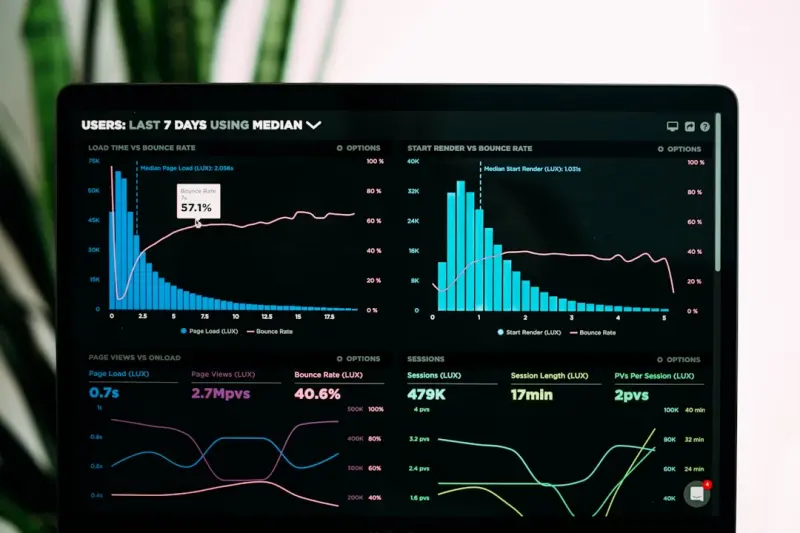
Local SEO success is data‑driven. Set up a dedicated dashboard that pulls metrics from:
- Google Business Profile insights (search views, direction requests, phone clicks).
- Google Search Console filtered by
cityor “near me” queries. - CRM to match trial sign‑ups back to the source city.
Use these insights to refine:
- Which city‑specific landing pages need stronger CTAs.
- Which GBP Q&A entries drive the most clicks.
- Which partnership sources produce the highest‑quality trials.
When a city’s metrics plateau, consider expanding the scope—add localized webinars, region‑specific pricing tiers, or even a local support hotline. Each new layer reinforces your local relevance and feeds back into the ranking algorithm.
Real‑World Example: Turning a “Near Me” Query Into a 30‑Day Trial
One of our SaaS clients—a workflow automation platform—noticed that “workflow automation software near me” generated 120 monthly searches in their target metro area. They implemented the steps above:
- Optimized GBP with “Workflow Automation Software” as the primary category and added a “Products” entry for “Automation for Retail Stores – Dallas.”
- Created a Dallas‑specific landing page featuring a case study from a local retailer.
- Added LocalBusiness and SoftwareApplication schema with
areaServedset to “Dallas, TX.” - Partnered with a Dallas startup accelerator for a co‑hosted webinar, earning a backlink from the accelerator’s events calendar.
- Ran a geo‑targeted Google Ads campaign with a “Free 14‑Day Dallas Trial” extension.
Within six weeks, the map pack impression share climbed to 68%, the landing page’s organic CTR hit 12% (vs. the site average of 4%), and the client logged 85 new trial sign‑ups from Dallas alone—a 71% lift over the previous period.
Future‑Proofing Your Local SEO Strategy
Local search isn’t static. Voice assistants, augmented reality maps, and AI‑driven “near me” personalization are reshaping the landscape. To stay ahead:
- Optimize for conversational queries. Voice searches often start with “Hey Google, find me a project management tool that works with my city’s data protection laws.” Your FAQ schema should capture these natural‑language questions.
- Adopt “micro‑local” signals. Beyond city, target neighborhoods or zip codes that house high‑density business clusters.
- Integrate real‑time availability. Show live support hours for each region on your GBP and landing pages—Google loves timely, actionable info.
By embedding these practices into your SEO roadmap, you’ll convert the next wave of local searchers into loyal SaaS users, turning a seemingly “local” challenge into a scalable growth engine.

In the world of freelance writing, where creativity and adaptability are paramount, Michelle Fisher stands out as a dedicated and versatile professional. With a passion for crafting compelling narratives and a keen eye for detail, Michelle has established herself as a trusted voice.
Related Posts

The Neighborhood Advantage: Turning Local Search into Sustainable Growth
Learn how to transform local search into a powerful growth engine for SaaS with hyperlocal landing p... Read More

Hyper‑Local Storytelling: Turning Neighborhood Narratives into SEO Gold
Learn to harness neighborhood stories, event calendars, and real‑time social signals to dominate l... Read More

Hyperlocal Partnerships: Turning Neighborhood Ties into SaaS Search Power
Learn a step‑by‑step framework for SaaS companies to build hyperlocal partnerships, enhance tech... Read More
Top Posts

Surfing the 2024 Google SEO Tide: Rose DesRochers’ Insider Playbook
Rose DesRochers shares her 2024 SEO playbook, highlighting intent‑first indexing, AI‑human content creation, trust frameworks, and advanced schema to help m...Read More
The Untapped Power of Structured Data for eCommerce SEO
Learn why structured data is the hidden driver of eCommerce SEO success, how to implement it step‑by‑step, and which advanced tactics can turn rich snippets...Read More

Cracking Google Discover: A Tactical Playbook for Modern SEOs
Learn how to dominate Google Discover with a step‑by‑step guide that covers content signals, technical foundations, visual assets, and analytics for sustain...Read More

Rose DesRochers Decodes the Hottest SEO News of 2024: Intent, AI, and Authority
Rose DesRochers unpacks 2024’s SEO landscape, revealing how intent, AI, and authority shape rankings and how marketers can stay ahead....Read More
0 Comments
Post Comment
You will need to Login or Register to comment on this post!