

Why Hyper‑Local Community Partnerships Are the Secret Sauce for SaaS Local SEO
When I first walked into a downtown coworking space to meet a handful of local founders, I expected the conversation to revolve around product roadmaps and funding rounds. Instead, the discussion quickly veered toward something far more down‑to‑earth: how their SaaS tools were being discovered—or missed—by businesses just a few blocks away. That moment sparked a revelation for me: for SaaS companies, especially those targeting SMBs, the real battlefield isn’t the global SERP; it’s the hyper‑local “near‑me” ecosystem where trust, relevance, and community intersect.
From Global Ambitions to Neighborhood Realities
Most SaaS marketers obsess over scaling internationally, chasing backlinks from high‑authority domains, and perfecting their content for generic keywords. While those tactics are still valuable, they often overlook the low‑hanging fruit that lives right outside the office door. A local coffee shop searching for a scheduling app, a boutique law firm needing a secure document‑sharing solution, or a city council looking for citizen‑feedback software—all of these prospects are actively searching with intent that reads like “project management software near me” or “CRM for small business in downtown.” If your brand isn’t visible in those micro‑moments, you’re essentially invisible to the very customers you could serve most profitably.
Mapping the Hyper‑Local Landscape
The first step is to create a hyper‑local map of the geographic clusters that matter to your business. Pull data from:
- Google Business Profile insights (search queries, actions, and direction requests)
- CRM address fields to see where existing customers are concentrated
- Local business directories and industry‑specific chambers of commerce
When you overlay these data points, patterns emerge: perhaps you dominate the tech incubator scene in one borough but have zero presence in the adjacent arts district. Those gaps become your opportunity zones.
Crafting Hyper‑Local Content That Resonates
Once you know where to focus, the next move is to build content that feels tailor‑made for each micro‑region. This isn’t about sprinkling a city name into a generic blog post; it’s about producing hyper‑local assets that answer the specific challenges of that community:
- Case studies featuring local businesses that have solved a pain point with your SaaS
- Guides that reference local regulations, events, or industry meetups (“How to Stay GDPR‑Compliant for NYC Startups”)
- Video interviews with neighborhood thought leaders discussing workflow optimization
These assets not only boost relevance signals for search engines but also generate shareable material that local partners love to amplify.
Partnering with Community Organizations
One of the most underrated levers for hyper‑local SEO is community partnership. By aligning with local chambers of commerce, business alliances, and even city‑run tech initiatives, you earn two powerful benefits:
- Earned citations on reputable local websites, which Google treats like traditional backlinks.
- Word‑of‑mouth credibility that translates into higher click‑through rates when a local searcher sees your brand alongside trusted community names.
Start small: sponsor a monthly networking lunch, provide a free webinar for a local nonprofit, or co‑host a hackathon. In return, ask for a mention on the partner’s website, newsletter, or event page. Those mentions are gold for local search rankings.
Optimizing Your Google Business Profile for “Near‑Me” Queries
Even though many SaaS companies view Google Business Profile (GBP) as a tool for brick‑and‑mortar stores, the platform now supports service‑area businesses, allowing you to define the regions you serve without publishing a physical address. Here’s how to squeeze every ounce of SEO juice from your GBP:
- Choose precise service areas: instead of “United States,” list specific cities, zip codes, or even neighborhoods.
- Populate the “From the Business” description with hyper‑local keywords and mention partner events (“Proud sponsor of the Downtown Tech Meetup”).
- Leverage posts to share local case studies, upcoming webinars, or community news—Google often surfaces these posts directly in local packs.
For a deeper dive on mobile performance and how it influences local visibility, see our Core Web Vitals on Mobile guide.
Structured Data: Speaking the Language of Search Engines
Search engines love structured data because it tells them exactly what your page is about, without guesswork. When you combine hyper‑local content with the right schema markup, you dramatically increase the odds of appearing in rich results, such as local business cards, FAQs, or even “People also ask” blocks that surface directly beneath a “near‑me” query.
Key schema types for SaaS local SEO include:
- LocalBusiness – add your service area, opening hours (even if you’re online‑only), and contact details.
- Service – detail each SaaS offering with localized use‑cases.
- Review – highlight testimonials from nearby clients, which can appear as star ratings in SERPs.
Our Structured Data Strategies post walks you through implementation step‑by‑step.
Local Reviews: The Modern Trust Signal
In a world where “zero‑click” results dominate, a glowing local review can be the difference between a user scrolling past or clicking through to your site. Encourage satisfied customers to leave reviews on platforms that matter in your target region: Google, Yelp, industry‑specific directories, and even niche community forums.
Make it easy:
- Send a follow‑up email with a direct link to your Google Business Profile review page.
- Offer a brief, templated response guide to help busy clients leave concise feedback.
- Highlight exemplary reviews in your hyper‑local case studies, creating a virtuous cycle of social proof.
Measuring Hyper‑Local Success
Traditional SEO dashboards focus on organic traffic and keyword rankings, but hyper‑local performance demands a more granular approach. Track these metrics:
- Local Pack Impressions – how often your business appears in the “3‑pack” for city‑level queries.
- Direction Requests – clicks on “Get Directions” from your GBP, indicating real‑world intent.
- Phone Call Click‑Throughs – especially valuable for SaaS solutions with a sales‑by‑phone component.
- Referral Traffic from Partner Sites – monitor spikes after community events or co‑hosted webinars.
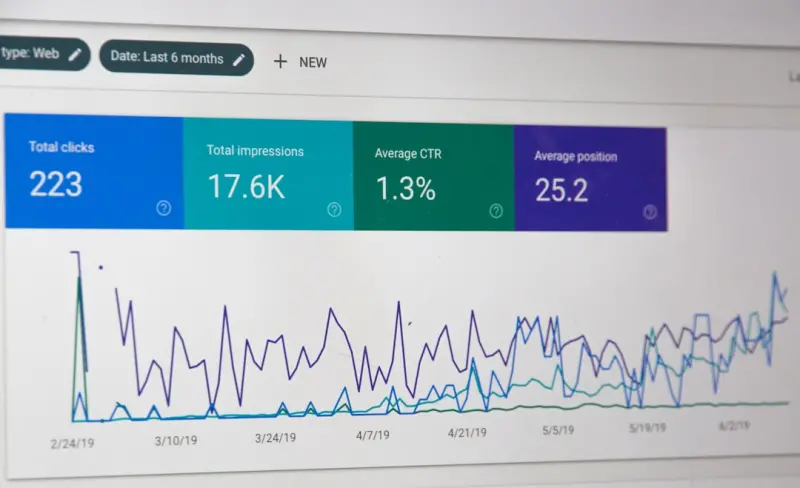
Tools like Google Search Console’s “Performance” report now let you filter by country, city, and even device, giving you a clear picture of where your hyper‑local strategy is paying off.
Case Study: Turning a Neighborhood Chamber into a Lead Engine
One of our SaaS clients, a project‑management platform, partnered with the Midtown Business Alliance. They co‑hosted a quarterly “Productivity Hacks” workshop and contributed a whitepaper titled “Project Management for Retail Stores in Midtown.” The results:
- 30% increase in local pack impressions for “project management software near me.”
- 15 inbound leads directly attributed to the workshop’s registration page (tracked via UTM parameters).
- Five new 5‑star reviews on Google, each mentioning the workshop and the partnership.
This example illustrates how a single, well‑executed community partnership can cascade into multiple SEO win‑points.
Future‑Proofing Your Hyper‑Local SEO
As voice assistants and AI‑driven search become more conversational, users will increasingly ask location‑specific questions like “Which SaaS tools do local nonprofits use?” To stay ahead, embed structured answers in your content, optimize for natural language, and keep your GBP data fresh. Remember, the goal isn’t just to rank; it’s to become the go‑to answer for any local business looking for a software solution.
Wrapping It All Together
Hyper‑local SEO for SaaS is less about ticking boxes and more about weaving your brand into the fabric of a community. By mapping micro‑regions, creating tailored content, forging genuine partnerships, mastering Google Business Profile, leveraging structured data, and championing local reviews, you turn “near‑me” searches into real‑world conversions. The payoff is twofold: higher visibility in the most intent‑rich queries and a network of local advocates who will champion your solution long after the search session ends.
Ready to put these tactics into action? Start by auditing your current service‑area definitions, reach out to one local organization today, and watch the local pack rise.

Paula Wright writes from her home in Toronto Ontario, where she lives with her husband, Steve, and their two children. Driven by curiosity and a passion for storytelling, Paula loves to uncover the "why" and "how" behind every topic she covers. Her writing is fueled by her adventures; when she’s not at her desk, you’ll find her out on the road, camping under the stars, or wandering a new trail. Paula brings a sense of discovery and a fresh, real-world perspective to everything she writes for us.
Related Posts

From the Ground Up: Community‑Driven Local SEO for SaaS
Learn a fresh, community‑focused approach to local SEO for SaaS, turning events, partnerships, and... Read More
Beyond the Map Pin: Hyper‑Local SEO Tactics That Convert
Ryan Paterson reveals fresh hyper‑local SEO tactics, from geo‑fencing content to community colla... Read More
Local Influencer Partnerships: The New Engine Driving Neighborhood Search Rankings
Jessica Gills shares a fresh, community‑focused approach to local SEO—partnering with micro‑in... Read More
Top Posts

Turning the eCommerce Funnel Into a Real‑Time Revenue Engine
A fresh look at eCommerce marketing: leverage micro‑moments, AI recommendations, shoppable video, and gamified loyalty to turn each touchpoint into a real‑t...Read More

Mobile SEO Secrets: Deep Linking & App Indexing
This post reveals three powerful tactics—deep linking, app indexing, and advanced mobile UX—that SaaS marketers can use to dominate mobile search, boost con...Read More

Bridging Mobile SEO and App Indexing: A Deep Dive into Seamless User Journeys
Learn to merge mobile SEO and app indexing with deep links, structured data, and unified content, creating a frictionless user journey that boosts rankings and ...Read More

Unlocking Facebook SEO: How Groups, Events, and Metadata Drive Organic Discovery
Learn how to turn Facebook groups, events, and smart metadata into powerful SEO assets that attract high‑intent, organic traffic without relying on paid ads....Read More
0 Comments
Post Comment
You will need to Login or Register to comment on this post!