

When Google started rewarding “Experience” alongside the classic E‑A‑T trio, the SEO landscape shifted from a checklist mindset to a storytelling discipline. I’ve spent years watching brands chase rankings with keyword stuffing, only to watch those tactics dissolve under the weight of a more nuanced algorithm. Understanding how Google evaluates trust today is the first step toward building a digital presence that feels both authentic and resilient.
At the heart of this evolution is the concept of Experience – the lived knowledge you bring to a topic, captured in every line you write. It’s not enough to cite sources; you must weave personal anecdotes, case studies, and real‑world outcomes that demonstrate you’ve walked the walk. When I integrate these elements, my content naturally earns the credibility signals Google’s crawlers are programmed to recognize.
The Pillars of Modern E‑E‑A‑T
First, Expertise remains essential, but the bar has risen: Google now cross‑references your author bio, publication history, and even social proof to assess authority. By linking to reputable external research and showcasing certifications, you give the algorithm concrete evidence of your depth. I always embed a concise “About the Author” box that highlights credentials without sounding like a sales pitch.
Second, Authority is amplified through strategic relationships. Instead of chasing every backlink, I focus on high‑quality mentions from industry thought leaders, which act like endorsements in a professional network. A single citation from a recognized outlet can outweigh dozens of low‑quality links, echoing the principles discussed in link gap mapping strategies.
Finally, Trust hinges on transparency, data security, and user safety signals such as HTTPS, clear privacy policies, and robust site architecture. Google’s bots scrutinize page load times, mobile friendliness, and even ad density to gauge whether a site respects its visitors. By aligning technical health with honest, well‑sourced content, you create a virtuous cycle that fuels higher rankings.
Practical Steps to Elevate Your E‑E‑A‑T
Start with a comprehensive audit of your author pages, ensuring each profile lists verifiable qualifications, published works, and links to professional profiles like LinkedIn. When you flesh out these bios, sprinkle in quantifiable achievements – for example, “helped 150+ brands increase organic traffic by 45%”. This data‑driven storytelling not only satisfies readers but also feeds Google’s intent‑matching engines.
Next, enrich your articles with multimedia evidence: screenshots of analytics, short video interviews, and downloadable case study PDFs. These assets demonstrate experience in a tangible way and keep users engaged longer, a metric that Google interprets as a sign of relevance. I’ve found that embedding a brief “Methodology” section at the end of each post, where I walk through my research process, dramatically improves perceived expertise.
Finally, cultivate a network of peer endorsements. Guest post on niche authority sites, request expert quotes, and reciprocate with thoughtful backlinks. When you reference the insights of a recognized specialist, remember to link back to their authoritative page, reinforcing the mutual trust loop. This collaborative approach mirrors the concepts explored in entity‑first SEO, where contextual relevance is king.
Measuring Impact and Iterating
After implementing E‑E‑A‑T enhancements, monitor key performance indicators beyond rankings: dwell time, scroll depth, and repeat visitation rates. Google’s Search Console now surfaces “Experience” signals in the “Core Web Vitals” report, providing a direct line of sight into how users perceive your content. I set quarterly benchmarks and adjust my strategy based on these real‑world feedback loops.
Use structured data not just for products, but for author markup, review snippets, and FAQ sections that highlight your expertise. While the blog on passage ranking dives deep into content segmentation, applying similar techniques to author bios can help Google surface your credentials in relevant queries.
Remember that E‑E‑A‑T is a living framework; as your brand evolves, so should your proof points. Regularly refresh bios, update case studies with the latest results, and purge outdated references that could erode trust. By treating trust as a strategic asset rather than a static badge, you position your site to thrive amidst Google’s ever‑changing algorithmic landscape.

Margaret Strawbridge freelance writer, and mother of 3 boys. In her spare time she likes to read write and play with her dog benny!
Related Posts

Navigating Google SEO with an Intent‑First Mindset
Learn how to future‑proof your Google rankings by embracing intent‑first SEO—align content, te... Read More

The Intent‑First SEO Playbook: From Theory to Real Rankings
Learn why intent‑first SEO is essential, how to craft content that meets user intent, and practica... Read More

Intent Clusters: Mapping the Modern Search Journey for Sustainable Rankings
Discover the power of Intent Clusters—a strategic approach to map user journeys, create content hu... Read More
Top Posts
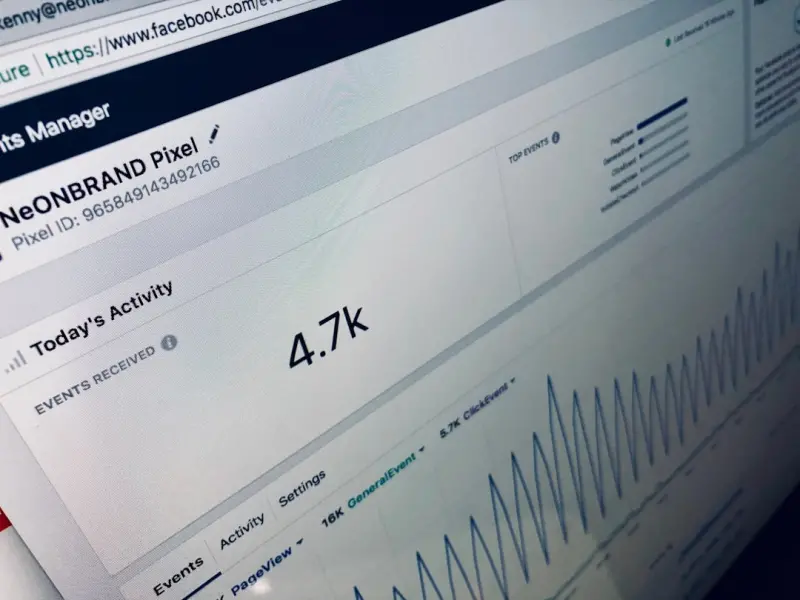
How Facebook Events and Check‑Ins Can Boost Your Online Visibility
Learn to turn Facebook events and attendee check‑ins into powerful tools for organic discoverability, leveraging data and cross‑posting for lasting online v...Read More

Why Progressive Web Apps Are the Unsung Heroes of Mobile SEO
Progressive Web Apps combine native‑app speed with full web discoverability, giving SaaS companies a fresh, high‑impact way to dominate mobile search and ke...Read More

Reading Google’s Algorithm Like a Weather Forecast: A SaaS Marketer’s Guide
Treat Google’s algorithm updates as weather patterns: monitor rankings, SERP features, crawl stats, and community insights to anticipate changes, optimize con...Read More

Micro‑Influencers Power B2B SaaS Growth
Micro‑influencers are reshaping B2B SaaS marketing by providing authentic, niche‑focused advocacy. This guide explains why they matter, how to identify the ...Read More
0 Comments
Post Comment
You will need to Login or Register to comment on this post!