

Why Community‑Centric Maps Are the Unsung Heroes of Local SEO
When I first helped a family‑run bakery get noticed on the neighborhood street, I quickly realized that traditional keyword stuffing and backlink drills only got us so far. The real catalyst? Turning the map into a story about the people who live, work, and play right where the bakery sits. In today’s hyper‑connected world, Google’s local pack isn’t just a list of businesses—it’s a living, breathing snapshot of community trust. If you can embed your brand into that narrative, you’ll watch foot traffic turn into recurring revenue, and you’ll do it without the endless chase for generic citations.
The “Community Footprint” Framework
Think of your local SEO strategy as a three‑layer footprint:
- Geographic anchors: Your physical address, service area, and map markers.
- Social signals: Reviews, local events, and partnerships that prove you’re part of the neighborhood fabric.
- Content resonance: Hyper‑local blog posts, guides, and FAQs that answer the exact questions your neighbors type into Google.
When these layers align, Google treats you as the go‑to authority for that zip code. The trick is making each layer speak the same language—one that the search engine can understand and, more importantly, one that your community can recognize.
1. Map Optimization Beyond the Basics
Most businesses treat Google My Business (now “Google Business Profile”) as a static listing. That’s a missed opportunity. Here’s how to turn it into a dynamic community hub:
- Use local landmarks in your business name field (where permissible): Adding “near the historic library” or “by Central Park” subtly boosts relevance for queries that include those landmarks.
- Leverage the “Attributes” section: If you offer outdoor seating, free Wi‑Fi, or wheelchair access, tick those boxes. Google now surfaces these details directly in the local pack, increasing click‑through rates.
- Upload location‑specific photos regularly: Show the storefront during a farmer’s market, a community clean‑up, or a local sports game. Visual proof of community involvement signals authenticity to both users and Google.
These tweaks aren’t one‑time tasks; they’re ongoing conversations with the map. Every new photo, attribute, or post is a data point that tells Google, “I’m alive, I’m relevant, I’m trusted.”
2. Harnessing Neighborhood Partnerships for Authority Signals
Authority in local search isn’t just about the number of backlinks—it’s about the relevance of those links. A citation from the local chamber of commerce or a feature on a community newsletter carries more weight than a generic directory link.
Start by identifying three to five hyper‑local institutions: schools, non‑profits, event venues, or even the local coffee shop that hosts a weekly meetup. Offer them something of value—be it a sponsorship, a guest‑post, or a joint event. In return, ask for a mention on their website with a rel="author" tag if possible. These niche endorsements act like “votes” that Google trusts far more than a mass‑produced link farm ever could.
For a concrete example of turning link‑building into a community event, see the new link‑building playbook that illustrates how virtual gatherings can double as citation generators.
3. Local Content That Answers Real‑World Questions
People search for hyper‑specific queries like “best gluten‑free pastry near Riverside Park” or “where to find a 24‑hour laundromat in Oakwood.” To dominate those long‑tail searches, you need content that mirrors the exact phrasing and intent of your neighbors.
- Neighborhood guides: Create a “Ultimate Guide to Downtown Dining” that includes your own business alongside complementary spots. Google loves comprehensive resources that keep users on the page.
- FAQ sections with geo‑specific language: Instead of a generic “What are your hours?” ask “What time does the bakery open on Saturday mornings in the Historic District?”
- Leverage support documentation as SEO assets: Transform your product support pages into locally relevant resources. For instance, a SaaS support article about “setting up Wi‑Fi in a small office” can be reframed as “setting up Wi‑Fi for a boutique shop on Main Street.” Check out the support documentation SEO guide for a deeper dive.
4. The Power of Hyper‑Local Reviews
Reviews are the lifeblood of local trust. But not all reviews are created equal. A five‑star rating from a nearby resident carries more weight than the same rating from a distant user. Here’s how to cultivate them:
- Ask at the point of service: A simple “Would you mind sharing your experience on Google?” asked right after a purchase yields a higher conversion.
- Gamify the process: Offer a monthly “Neighborhood Champion” badge to customers who leave the most helpful reviews. Publicly celebrate them on your website and social media.
- Respond with locality in mind: When replying to reviews, reference local events (“We’re glad you enjoyed the latte during the downtown art walk!”). This reinforces your community involvement.
5. Structured Data That Speaks the Neighborhood Language
Schema markup isn’t just for e‑commerce. Local businesses can use the LocalBusiness schema to provide Google with explicit information about:
- Service area boundaries (via
areaServed) - Opening hours for holidays (
openingHoursSpecification) - Accepted payment methods that are popular locally (e.g., “Apple Pay” at tech‑savvy districts)
When Google can parse these details, it’s more likely to surface your business in “near me” queries that include contextual modifiers like “open now” or “pet‑friendly.”
6. Monitoring and Adapting with Local Signals
Local SEO isn’t a set‑and‑forget tactic. You need a feedback loop:
| Metric | Why It Matters | How to Act |
|---|---|---|
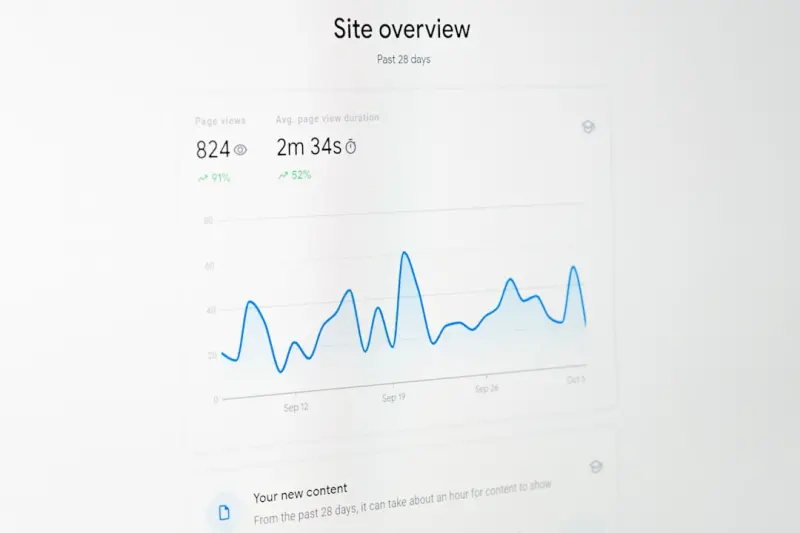
| Google Business Profile Insights | Shows how many users view your profile, request directions, or call. | Adjust your post schedule or photo strategy based on spikes. |
| Local Pack Rankings | Tracks position for primary geo‑keywords. | Boost citations or add fresh content if you slip. |
| Review Velocity | Rate of new reviews per week. | Deploy targeted email requests if growth stalls. |
Set up alerts for brand mentions on local forums and social media groups. A quick response to a community complaint can turn a potential PR issue into a positive review.
7. Future‑Proofing: Voice Search and the “Near Me” Evolution
Voice assistants are increasingly handling “near me” queries: “Hey Siri, find a vegan café close to me.” To capture this traffic, embed conversational phrases in your content. Write sentences like “Looking for a vegan café within walking distance of the Riverwalk?” rather than just “vegan café near Riverwalk.” This aligns with the natural language models that power voice assistants.
Additionally, ensure your NAP (Name, Address, Phone) data is consistent across all platforms. Voice assistants pull from multiple sources, and any discrepancy can result in missed calls.
8. Measuring Impact: From Clicks to Foot Traffic
Traditional SEO metrics (organic sessions, bounce rate) only tell part of the story for local businesses. Pair them with offline indicators:
- Unique coupon codes: Generate a “LOCAL10” coupon that’s redeemable only in‑store. Track its usage to attribute sales to local search.
- Phone call tracking: Use a dynamic number insertion tool that assigns a unique phone number to each search source.
- Foot traffic heat maps: If you have a physical store, integrate Wi‑Fi analytics to see spikes after a Google Business update.
When you see a correlation between a surge in “Directions” clicks and an uptick in in‑store sales, you have concrete proof that your community‑first strategy works.
Conclusion: The Community‑First Mindset Is Your Competitive Edge
Local SEO is no longer a technical checklist; it’s a relationship‑building discipline. By weaving your brand into the fabric of the neighborhood—through map optimization, genuine partnerships, hyper‑local content, and responsive reviews—you signal to Google that you’re the most relevant answer for nearby searchers.
Remember, the goal isn’t just to appear in the local pack; it’s to become the neighborhood’s first choice. When you treat each click as the beginning of a longer, trust‑based conversation, you’ll see not only higher rankings but also loyal customers who keep coming back, because they know you’re part of their community.

Margaret Strawbridge freelance writer, and mother of 3 boys. In her spare time she likes to read write and play with her dog benny!
Related Posts

Scaling Local SEO for Multi‑Location SaaS Enterprises
Learn how SaaS companies can turn each office into a local search powerhouse with targeted Google Bu... Read More

From Neighborhood Searches to SaaS Trial Sign‑Ups: A Playbook
Discover a step‑by‑step guide for SaaS companies to capture hyper‑local search intent, optimiz... Read More

Local SEO Playbook: Turning Neighborhoods into High‑Intent SaaS Leads
A step‑by‑step guide shows SaaS founders how to map physical footprints, optimize business profi... Read More
Top Posts

The Art of On‑Page SEO: Storytelling That Converts
Learn to transform on‑page SEO from a checklist into a compelling story that captivates readers, satisfies search engines, and boosts conversions....Read More
AI Search as a Real‑Time Insight Engine for SaaS Teams
Learn how to build an AI‑powered search layer that aggregates support tickets, usage data, and docs into contextual answers and actionable recommendations, tu...Read More

Unlocking Search Value from SaaS Integrations and Marketplace Listings
This article reveals a fresh SEO playbook that treats each SaaS integration and marketplace listing as a ranking asset, covering keyword research, on‑page opt...Read More

SEM + ABM: A SaaS Playbook for Targeted Search Campaigns
This post shows SaaS marketers how to combine Search Engine Marketing with Account‑Based Marketing, leveraging AI‑driven bidding, dynamic search ads, and pe...Read More
0 Comments
Post Comment
You will need to Login or Register to comment on this post!