
Why Zero‑Click Search Is the Quiet Powerhouse Behind SaaS Growth
When I first stepped into the SaaS arena, I was taught to chase clicks like they were gold. Pageviews, CTR, bounce rate – the usual suspects that dominate every dashboard. But over the past few years, a subtle shift has been reshaping the way prospects discover software: zero‑click search. In a world where Google answers questions before a user even lands on a site, the SERP has become a real estate parcel worth defending.
What Exactly Is Zero‑Click Search?
Zero‑click search refers to search results that satisfy the user’s intent directly on the search engine results page (SERP). Think featured snippets, answer boxes, knowledge panels, “People also ask” sections, and even the new carousel of videos. If a user walks away from Google without hitting the Enter key on a result, you’ve just experienced a zero‑click interaction.
For SaaS brands, this isn’t a problem – it’s an opportunity. If the information a prospect needs appears in front of them, that brand has already earned trust. The challenge is to ensure that the brand’s voice is the one filling those SERP real‑estate slots.
The Business Case: Leads Without a Click
- Higher Visibility, Lower Funnel Friction – Users get the answer they need instantly, reducing the chance of them bouncing to a competitor.
- Brand Authority at Scale – Owning a featured snippet positions your SaaS as the definitive source on a topic, amplifying brand perception.
- Reduced CAC – By capturing attention on the SERP, you spend less on paid acquisition to bring users to a landing page.
- Data‑Driven Insights – Monitoring which queries trigger your zero‑click assets reveals the exact language and pain points of your market.
Mapping Zero‑Click Opportunities to the SaaS Funnel
Zero‑click assets can be aligned with each stage of the product‑led growth funnel:
- Awareness: Featured snippets for high‑level industry terms (“What is churn rate?”) plant the seed.
- Consideration: Knowledge panels that showcase product differentiators or integration capabilities.
- Decision: “People also ask” answers that compare pricing models, security certifications, or compliance standards.
When these assets appear, the user’s mental model already includes your brand, making the subsequent click a warm one.
How to Engineer Zero‑Click Assets for SaaS
Creating zero‑click gold isn’t about sprinkling keywords and hoping for the best. It’s a disciplined, data‑first approach.
1. Conduct a “Zero‑Click Gap” Audit
Start by identifying high‑intent queries that already rank on the first page but lack a featured snippet or answer box. Tools like Ahrefs’ SERP Features report, SEMrush’s Keyword Overview, and Google Search Console’s “SERP Features” section can surface these gaps.
For each gap, ask:
- Is the query informational, navigational, or transactional?
- Can I provide a concise, authoritative answer in 40–50 words?
- Do I have structured data that Google can parse?
2. Craft Snippet‑Ready Content
When you find a gap, write a short, direct answer that mirrors the phrasing of the query. Use bullet points, numbered lists, or tables when appropriate – Google loves structured formats for snippets.
Example: For the query “How does SaaS pricing work?” a well‑crafted answer might be:
SaaS pricing typically follows one of three models:
1. Per‑user – Pay per active seat.
2. Tiered – Choose a plan based on feature set.
3. Usage‑based – Bill according to consumption (e.g., API calls).
```
This format is primed for a featured snippet.
3. Leverage Structured Data (Schema)
Even though we’re not focusing on schema as a headline topic, the technical underpinning is critical. Implement FAQPage and HowTo schema for content that answers common SaaS questions. Google’s algorithm reads these signals and is more likely to surface your answer directly.
For a deeper dive on using schema to dominate SERPs, check out Schema‑Driven SEO: Turning SaaS Features into SERP Gold.
4. Optimize On‑Page Elements for Snippet Eligibility
While the body copy delivers value, the surrounding on‑page signals help Google decide if you’re the right source. Make sure your <h2> headings contain the exact query phrase, use concise meta descriptions, and place the answer near the top of the article.
In fact, Why On‑Page SEO Should Be Your SaaS Site’s Silent Conversion Booster explains how these micro‑optimizations compound into higher snippet chances.
5. Repurpose Existing Assets
Many SaaS companies have extensive documentation, knowledge bases, and pricing pages. These assets are treasure troves for zero‑click content. Extract key definitions, pricing matrices, and compliance FAQs into bite‑size answers.
For instance, turning a pricing page into a quick “What does each plan include?” snippet can drive brand recognition even before a prospect clicks. See how to transform your pricing page into a SERP magnet here: Turning SaaS Pricing Pages into SEO Engines.
6. Track, Iterate, and Scale
Zero‑click success isn’t static. Monitor impression share for each featured snippet you own via Google Search Console. Note any fluctuations in position or disappearance of the snippet – often a sign that Google has updated its algorithm or that a competitor has optimized a better answer.
When a snippet drops, revisit the content: tighten the answer, add new data, or restructure the HTML. This iterative loop ensures your SERP real estate stays evergreen.
Zero‑Click Content Types That Work for SaaS
Below is a quick reference of content formats that naturally lend themselves to SERP extraction.
- Definition Snippets – Short explanations of industry terms (“What is churn?”).
- Comparison Tables – Side‑by‑side feature or pricing breakdowns.
- Step‑by‑Step Guides – How‑to instructions for onboarding or integration tasks.
- Statistical Highlights – Quick stats (e.g., “Average SaaS churn rate is 5.6%”).
- FAQ Accordions – Answers to common buyer questions, marked up with
FAQPageschema.
Case Study: A Mid‑Size Project Management SaaS Wins the Snippet Battle
Let’s walk through a real‑world example (anonymized for confidentiality) where a SaaS company transformed its zero‑click presence.
- The Problem: The brand ranked on page two for “project management SaaS pricing,” but no featured snippet appeared. Prospects were clicking through competitor sites that had captured the top spot.
- The Strategy: The SEO team performed a gap audit and found that Google displayed a “Pricing comparison” table for the query. They repurposed the existing pricing matrix into a clean HTML table, added
schema.org/Productmarkup, and wrote a concise introductory paragraph that answered the query verbatim. - The Result: Within three weeks, the brand owned the featured snippet, capturing a 24% increase in impressions and a 12% lift in organic conversions despite a lower click‑through rate (the snippet itself drove brand awareness).
This case underscores a vital lesson: zero‑click assets can be conversion drivers even when the click metric dips.
Integrating Zero‑Click SEO with Your Broader Content Strategy
Zero‑click optimization should not exist in a silo. Here’s how to weave it into a cohesive SEO roadmap:
- Keyword Prioritization – Add a “snippet‑potential” column to your keyword spreadsheet. Flag high‑intent queries that already trigger SERP features.
- Content Calendar Alignment – Pair long‑form pillar content with short, answer‑focused micro‑content that targets snippet opportunities.
- Cross‑Team Collaboration – Product, support, and marketing teams can supply authoritative answers for technical or compliance questions.
- Performance Dashboard – Track impressions, average position, and snippet ownership alongside traditional SEO KPIs.
Common Pitfalls and How to Avoid Them
- Over‑Optimizing for Snippets – Trying to force a snippet where the query intent isn’t suited can lead to thin content penalties. Always prioritize user value.
- Neglecting Updates – SaaS features evolve; stale snippets can misinform prospects and damage trust. Set reminders to audit content quarterly.
- Ignoring Mobile SERP Differences – Mobile SERPs often show different features (e.g., carousel vs. table). Test your answers on both desktop and mobile.
- Forgetting Brand Signals – Ensure your brand name appears in the answer when appropriate. This strengthens brand recall when users later explore deeper.
Future Outlook: The Rise of AI‑Generated SERPs
Google’s AI models are becoming more adept at generating concise answers on the fly, potentially reducing the need for site‑specific snippets. However, AI still leans heavily on high‑quality, authoritative sources. By establishing a robust portfolio of zero‑click assets today, you’ll position your SaaS as a trusted reference that AI will surface.
In short, the future isn’t about fighting a dwindling number of clicks; it’s about owning the knowledge space where the clicks would have happened.
Action Plan: Your First Zero‑Click Sprint
Ready to dip your toes in? Follow this three‑day sprint:
- Day 1 – Discovery: Pull a list of 20 high‑intent queries from Search Console that lack featured snippets.
- Day 2 – Creation: Draft concise answers, embed them in existing pages, and add appropriate schema.
- Day 3 – Validation: Use the “Rich Results Test” and submit updated pages for indexing via the URL Inspection tool.
Track impressions over the next two weeks. Celebrate wins and iterate on any that don’t surface.
Conclusion: Embrace the Quiet Power of Zero‑Click SEO
Zero‑click search is not a threat; it’s a silent conversion engine waiting to be tapped. By aligning your SaaS’s knowledge assets with Google’s SERP features, you turn fleeting search moments into brand authority moments – all without a single click. The SERP is evolving, and the smartest SaaS marketers are already planting their flags on the featured snippet mountain.

Jody Henderson is a passionate freelance writer, driven by a love for storytelling and a keen eye for detail. With a versatile skillset, she crafts compelling content across a variety of niches, from engaging blog posts to informative articles and persuasive marketing copy.
Related Posts
SEO Experiments That Actually Move the Needle for B2B SaaS
A step‑by‑step, data‑first playbook for B2B SaaS marketers to turn SEO changes into measurable... Read More
Predictive SEO: Forecasting Search Trends to Future‑Proof Your SaaS
Predictive SEO transforms reactive optimization into a forward‑looking strategy. This guide shows ... Read More
Unlocking SEO for Subscription Content Hubs
Learn the unique SEO tactics that let subscription sites rank higher while protecting premium conten... Read More
Top Posts
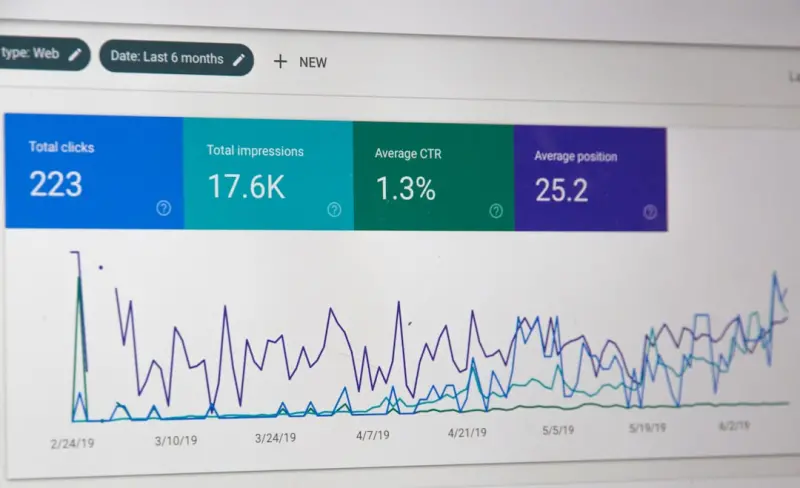
Zero-Click Search Optimization: Turning SERP Real Estate into Traffic
Learn the strategies to secure zero‑click rankings—leveraging snippets, structured data, and AI‑driven SERP features—to turn search engine real estate i...Read More
AI‑Powered Product Copy That Ranks & Converts
AI can speed up product copy creation, but without a human‑AI workflow, it can hurt SEO. This guide shows how to blend AI drafts with strategic schema, review...Read More
Semantic Clusters: The New SEO Power Play
Learn why organizing content into semantic clusters is the next big SEO win, how to audit, build, and measure them, and what the future holds for AI‑driven en...Read More
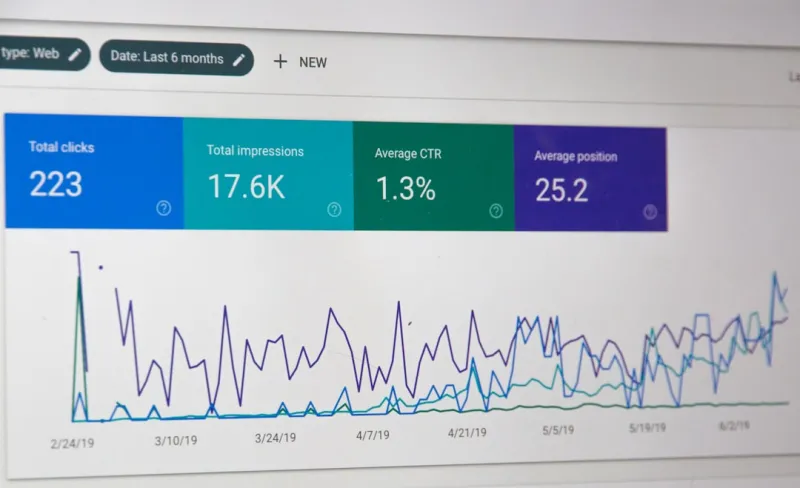
Riding the 2024 Google SEO Wave: Rose DesRochers’ Insider Playbook for Dominating the SERPs
Rose DesRochers reveals the 2024 SEO playbook, covering AI‑assisted content, Core Web Vitals, semantic clusters, and trust‑focused link building to help you...Read More
0 Comments
Post Comment
You will need to Login or Register to comment on this post!