

When SaaS founders start thinking about global growth, the conversation often jumps straight to sales teams, pricing adjustments, and local partnerships. Rarely does the discussion linger on the engine that will actually bring those new prospects to the doorstep: search. If your product’s value proposition is universal but your SEO remains monolingual, you’re leaving a massive, untapped reservoir of traffic on the table.
Why International SEO Is No Longer a Nice‑to‑Have for SaaS
Unlike a brick‑and‑mortar storefront, a SaaS solution can be delivered instantly to anyone with an internet connection. That universality creates a paradox: the market is global, but the search landscape is fragmented by language, culture, and regional search behaviors. A well‑executed multilingual SEO strategy can:
- Increase qualified traffic from regions where your native language isn’t dominant.
- Reduce paid acquisition costs by capturing organic demand that would otherwise require expensive ad spend.
- Boost brand credibility by speaking prospects in their own tongue, signaling that you understand their local context.
- Future‑proof your funnel as you add new markets without having to rebuild the SEO foundation each time.
Technical Foundations: Hreflang, Canonicals, and Crawl Budget
The first step is to get the technical scaffolding right. Search engines need clear signals about which page serves which language and region. That’s where hreflang tags become the lingua franca of multilingual SEO. Each language‑region variant should reference every other variant, plus a self‑reference, to avoid duplicate‑content penalties.
Equally important is the proper use of rel="canonical". If you have a single master page that’s simply translated, the canonical should point to the language‑specific URL—not back to the English original. This tells Google that each version is a legitimate, unique piece of content.
All of this adds overhead to your crawl budget, especially if you’re rolling out dozens of locales. That’s why a deep dive into Crawl Budget Mastery is essential before you flood your site with thousands of translated pages. Prioritize high‑value pages (pricing, feature overviews, case studies) and defer low‑traffic utility pages until you’ve proven the ROI.
Content Localization vs. Translation: The Strategic Difference
Many teams make the mistake of equating “translation” with “localization.” A literal translation may be grammatically correct, but it often misses cultural nuances, local regulations, and market‑specific pain points. To truly resonate, you need a three‑tiered approach:
- Core Messaging Adaptation: Rewrite headlines, value propositions, and CTAs to match regional buying triggers. For example, “Free Trial” might be more compelling as “30‑Day Risk‑Free Trial” in markets where trial periods are the norm.
- Contextual Content Adjustment: Swap out industry examples, case studies, and data points that are relevant to the local audience. A SaaS HR platform could showcase a UK‑based client for British users and a Singapore‑based client for APAC users.
- Regulatory Compliance: Ensure that privacy notices, cookie banners, and data‑storage statements adhere to regional laws (GDPR, CCPA, LGPD, etc.). This also ties into your overall SEO health, because Google flags pages that violate local regulations.
Structured Data: Speaking Directly to Global Search Engines
Schema markup isn’t just for recipes or event listings. SaaS sites can leverage SoftwareApplication, Product, and FAQ schemas to give search engines richer context about feature pages, pricing tables, and support articles. When you pair localized content with localized schema (e.g., using inLanguage and region‑specific offers), you give Google the confidence to surface your pages in regional SERPs.
Don’t forget to localize priceCurrency and price fields. A pricing page that displays USD for a visitor in Brazil will likely bounce, while a page showing BRL with a clear conversion will keep the user engaged.
Scaling Localization with Automation and AI
Translating dozens of pages manually is a logistical nightmare. Modern translation management systems (TMS) paired with neural machine translation (NMT) can automate the bulk of the work, while human reviewers fine‑tune the nuance. Here’s a practical workflow:
- Identify high‑value pages using traffic and conversion data (Google Analytics, Heatmaps).
- Export content to a TMS that integrates directly with your CMS via API.
- Run NMT for first‑pass translation, then assign native speakers for post‑editing.
- Push updated content back to the CMS, automatically generating
hreflangtags via a plugin or custom script.
Automation also helps you keep the continuous content refresh cycle alive across all locales. When you update a feature description in English, the system can flag the corresponding translations for review, ensuring no language falls behind.
Link Building in a Multilingual Context
Authority isn’t language‑agnostic. Earning backlinks from local publications, industry forums, and regional influencers carries more weight than a generic global backlink. Consider these tactics:
- Local Guest Posts: Pitch thought‑leadership pieces to country‑specific tech blogs, focusing on region‑relevant challenges.
- Partner Press Releases: Announce new data‑center locations, compliance certifications, or localized feature launches through local PR distribution services.
- Community Sponsorships: Sponsor hackathons, meetups, or webinars that are language‑specific, then request a backlink from the event’s site.
Remember to use the localized version of your URL in outreach. A German backlink pointing to example.com/de/features is more valuable for German SERPs than a link to the English page.
Measuring Success: Metrics That Matter Across Borders
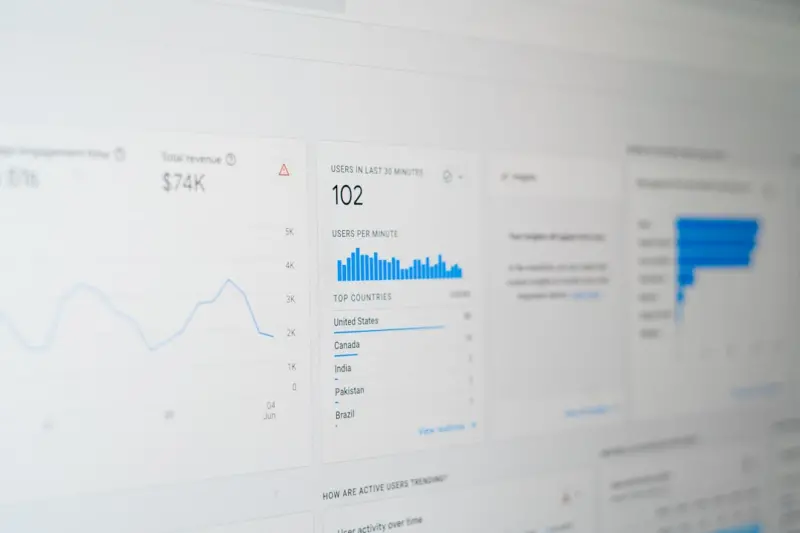
Standard SEO KPIs (organic sessions, CTR, conversion rate) remain relevant, but you need to slice them by language and region to uncover true performance. Set up separate views in Google Analytics or use GA4’s custom dimensions for language and geo. Key metrics to watch:
- Organic Visibility: Track rankings for localized keyword sets using tools like Ahrefs or Semrush with country filters.
- Engagement Metrics: Bounce rate and time on page can reveal whether your localization is resonating.
- Conversion Funnel Health: Compare trial sign‑ups, demo requests, and paid conversions across locales.
- Technical Health: Monitor crawl errors, hreflang validation warnings, and duplicate‑content alerts in Google Search Console’s International Targeting report.
Common Pitfalls and How to Avoid Them
Even seasoned SEO teams trip up when expanding globally. Below are the most frequent mistakes and quick fixes:
- One‑Size‑Fits‑All Keyword Research: Don’t assume “SaaS CRM” translates directly. Use local keyword tools (Naver for Korea, Baidu for China) to discover native search intent.
- Missing Hreflang Tags: A single missing tag can cause Google to serve the wrong language to users, hurting both UX and rankings.
- Neglecting Mobile Optimization: In many emerging markets, mobile is the primary device. Ensure your localized pages load fast on cellular networks (AMP, lazy loading, compressed images).
- Over‑Translating Technical Jargon: Some terms (e.g., “API”, “SaaS”) are globally recognized. Keep them in English where appropriate to preserve SEO value.
- Ignoring Local Competitors: Conduct a competitive audit in each target market. The SERP landscape can be wildly different—what works in the US may not in Brazil.
Actionable 90‑Day Playbook
To move from theory to execution, follow this sprint‑style roadmap:
- Week 1‑2: Market Prioritization
- Identify top three new regions based on ARR potential and existing traffic gaps.
- Conduct localized keyword research for each market.
- Week 3‑4: Technical Setup
- Implement hreflang tags for existing high‑value pages.
- Configure regional subdirectories (e.g.,
/fr/,/de/) or subdomains if your hosting architecture prefers it. - Set up geo‑targeting in Google Search Console.
- Week 5‑8: Content Localization
- Translate and culturally adapt the top 20 landing pages per market.
- Apply localized schema markup and update internal linking to point to the new language versions.
- Week 9‑10: Link Acquisition
- Reach out to three local publications per market for guest post opportunities.
- Secure at least five regional backlinks for each market.
- Week 11‑12: Monitoring & Optimization
- Review Search Console’s International Targeting report for errors.
- Adjust on‑page SEO based on performance data (title tags, meta descriptions, CTAs).
After the initial 90 days, iterate based on data. Expand to additional pages, double down on high‑performing locales, and keep the content refresh engine humming.
Conclusion: Turning Global Search Into a Sustainable Growth Engine
International SEO isn’t a “set‑and‑forget” project. It’s a continuous loop of research, technical precision, cultural empathy, and data‑driven iteration. When SaaS leaders treat multilingual search as a core component of product strategy—rather than an afterthought—they unlock a steady stream of qualified leads that would otherwise remain invisible.
Start small, stay systematic, and let the data guide you. The world is already searching for solutions like yours; it’s time to meet them in the language they speak.

Seth Samual is a name that's quickly becoming synonymous with compelling and insightful writing. As a freelance writer, Seth has carved a niche for himself by delivering high-quality content across a diverse range of subjects.
Related Posts

Voice-First SEO: Turning Conversational Queries into Ranking Power
Learn the essential steps to dominate voice search, from conversational keyword research to schema m... Read More

Decoupled SEO: Mastering Search Visibility in a Headless World
A headless architecture offers flexibility for developers but introduces SEO challenges. This post o... Read More

Structured Data: The SaaS SEO Game‑Changer You’ve Overlooked
Discover why structured data is the hidden lever for SaaS SEO success, with a step‑by‑step playb... Read More
Top Posts

Seeing the Sale Before the Click: How Visual Search is Redefining eCommerce SEO
Visual search is reshaping eCommerce discovery. This guide shows how to build a visual taxonomy, name files, write alt text, use structured data, and serve fast...Read More

Rose DesRochers’ 2024 SEO Playbook: Context, AI, and the New Ranking Renaissance
Rose DesRochers shares her 2024 SEO playbook, blending contextual ranking, AI tools, and technical best practices to dominate the SERPs....Read More
Why Semantic Topic Clusters Are the Secret Weapon for SaaS SEO
Semantic topic clusters turn scattered SaaS content into a powerful authority hub. Learn step‑by‑step how to build pillars, supporting articles, and interna...Read More

Hyper‑Personalized Link Building: The SaaS Playbook for Authority and Growth
A fresh take on link building for SaaS: use data‑driven outreach, interactive tools, community content, and strategic partnerships to earn high‑quality, rel...Read More
0 Comments
Post Comment
You will need to Login or Register to comment on this post!