

Why Structured Data Is the Secret Weapon SaaS Brands Have Been Ignoring
When I first started tinkering with SEO for SaaS, I was obsessed with backlinks, content calendars, and the holy grail of keyword difficulty. I still love those fundamentals, but over the past few years a quiet revolution has been bubbling under the surface: structured data. Not the flashy, algorithm‑hunting tricks that dominate headlines, but a set of markup standards that, when deployed correctly, can turn a bland SERP listing into a high‑visibility, click‑magnet rich snippet.
Think of structured data as a translator that speaks both human language and the language of search engines. It tells Google (and its cousins) exactly what your page is about, how it’s organized, and which bits of information deserve the spotlight. For SaaS businesses, where the product narrative is often complex, that clarity can be the difference between being buried on page three and landing in the coveted “position zero” carousel.
The Real‑World Impact: Numbers That Matter
- CTR boost: Studies show that pages with rich snippets see an average click‑through‑rate uplift of 30‑45% compared to plain results.
- Reduced bounce: By surfacing key details (pricing, feature lists, reviews) directly in the SERP, users arrive with intent already aligned, slashing bounce rates by up to 20%.
- Voice search readiness: Structured data is the backbone of voice assistants, making your SaaS offering the first answer when a user asks “best project management tool for remote teams.”
Those stats are compelling, but they only tell part of the story. The real magic happens when you weave structured data into a broader SEO strategy that’s built for SaaS growth loops. Below, I walk you through a step‑by‑step framework that takes you from “what is schema?” to “how do I dominate my niche with rich results.”
Step 1: Map Your Content Ecosystem to Schema Types
Every SaaS company has a handful of core content pillars: product pages, pricing tables, feature comparisons, case studies, help docs, and blog posts. Each of these can be matched to a specific schema type that Google understands:
- Product schema – perfect for your main SaaS landing pages. Include
name,description,offers(price, currency),aggregateRating, andskuif applicable. - FAQ schema – turn your support knowledge base into a searchable FAQ block that appears directly in the SERPs.
- HowTo schema – ideal for tutorial blog posts that walk users through onboarding or advanced workflows.
- Review schema – showcase customer testimonials, star ratings, and even video reviews.
- SoftwareApplication schema – a catch‑all for SaaS products that need to surface OS compatibility, installation requirements, and feature lists.
Start by auditing your existing pages. Create a spreadsheet that lists every URL, its primary purpose, and the most relevant schema type. This mapping exercise not only uncovers gaps but also forces you to think about the user intent behind each page.
Step 2: Prioritize High‑Impact Pages
Not every page deserves the same level of markup investment. Focus first on the URLs that drive the most traffic, revenue, or brand awareness. Typically, these are:
- Your pricing page – users often compare plans in the SERP. Adding
offersandpriceSpecificationcan surface your prices directly. - Feature comparison tables – use
ItemListschema to break down feature sets in a digestible format. - Case studies with measurable results – embed
CreativeWorkandReviewmarkup to highlight ROI numbers.
By getting the heavy hitters right, you’ll see early wins in click‑through and brand credibility, which fuels the momentum for scaling markup across the rest of the site.
Step 3: Implement Markup with Modern Tools
There are three main ways to add structured data:
- JSON‑LD (recommended) – a script block placed in the page
<head>or just before the closing<body>. It’s clean, doesn’t interfere with HTML, and Google’s docs prioritize it. - Microdata – attributes embedded directly into HTML tags. Useful for legacy CMSes but can clutter your markup.
- RDFa – similar to microdata but more flexible for complex data graphs.
For most SaaS teams, JSON‑LD is the sweet spot. Most modern CMS platforms (WordPress, Contentful, HubSpot) offer plugins or custom fields that generate JSON‑LD automatically from your product database. If you’re on a headless stack, inject the markup server‑side during the build step – this also ensures that crawlers see the data without relying on JavaScript execution.
Step 4: Test, Validate, and Iterate
Google’s Rich Results Test and the Schema.org Markup Validator are your best friends. Run every new page through these tools before you go live. Look for warnings like “Missing required property” or “Invalid type” – these are quick fixes that can save weeks of lost impressions.
Once your markup is live, monitor its performance in Google Search Console under the “Enhancements” report. Track impressions, clicks, and average position for each schema type. If a particular rich snippet isn’t showing up, revisit the data quality, add more supporting content, or consider a different schema variant.
Step 5: Combine Structured Data with Edge SEO
Edge SEO is all about pushing compute and content closer to the user, often via CDNs. When you serve pre‑rendered JSON‑LD from the edge, you reduce latency for crawlers and improve the chance that Google sees your markup on the first pass. This synergy is especially powerful for SaaS sites that have global audiences and need to serve fast, localized pages.
Set up a simple edge function (e.g., Cloudflare Workers or Vercel Edge Middleware) that injects the appropriate JSON‑LD based on the request path. The result? A lean HTML payload that already contains the structured data, ready for Googlebot to consume without waiting for an API call.
Step 6: Future‑Proof with Predictive SEO
SEO isn’t static, and neither is the schema landscape. New types appear (think FAQPage for AI‑driven Q&A) and existing types evolve. By coupling structured data with predictive analytics, you can anticipate which schema types will become valuable next.
Use trend data from Google Trends, Ahrefs, or SEMrush to spot rising queries related to “SaaS pricing models,” “enterprise security compliance,” or “AI‑enabled features.” Then, draft schema markup that captures those attributes before competitors do. This proactive approach ensures your rich snippets stay ahead of the curve, keeping you top‑of‑mind in the SERP.
Step 7: Leverage Community Signals
Structured data shines brightest when it’s reinforced by real‑world signals. Encourage happy customers to leave reviews on third‑party platforms (G2, Capterra) and embed those reviews using Review schema. Host webinars and embed them as VideoObject. Even your public roadmap can be marked up with CreativeWork to surface upcoming features directly in search.
These community touchpoints not only enrich your markup but also build trust. When a prospect sees a star rating or a video demo straight from the SERP, the perceived risk drops dramatically.
Common Pitfalls and How to Avoid Them
- Over‑stuffing markup: Adding every possible property looks impressive but can confuse crawlers. Stick to the essentials and only expand when you have high‑quality data to back it up.
- Ignoring mobile‑first: Structured data must be accessible on mobile. Test on device emulators and ensure your edge functions don’t block rendering on slower connections.
- Neglecting maintenance: SaaS products evolve fast. Set up a quarterly audit to sync your schema with product updates, pricing changes, and new features.
- Relying on one schema type: Diversify. A single product page can include
Product,FAQ, andReviewmarkup simultaneously, covering multiple SERP opportunities.
Measuring Success: The KPI Dashboard You Need
Beyond the standard SEO metrics, track these schema‑specific KPIs:
- Rich result impressions: How many times Google displayed your structured data?
- CTR of rich snippets vs. plain results: Quantify the uplift.
- Organic conversions from rich results: Tie back to your CRM to see if users who clicked a rich snippet signed up faster.
- Schema error rate: Percentage of pages with markup warnings in Search Console.
Combine these with traditional metrics (organic traffic, domain authority) for a holistic view of how structured data is moving the needle on SaaS growth.
Wrapping It Up: A Structured Data Playbook for SaaS Leaders
In a world where AI, voice, and visual search are reshaping how users discover software, structured data is the silent engine that powers those next‑gen experiences. By mapping your content, prioritizing high‑impact pages, implementing clean JSON‑LD, and coupling markup with edge delivery and predictive insights, you position your SaaS brand to dominate the SERP landscape.
Remember, the goal isn’t just to get a fancy badge next to your link. It’s to communicate value, reduce friction, and guide prospects straight to the checkout or demo request without a detour. When you treat structured data as a core component of your SEO strategy—rather than an afterthought—you’ll see richer traffic, higher engagement, and, ultimately, more paying customers.
If you’re ready to start, grab your product data, open the Rich Results Test, and take the first step toward turning every SERP impression into a qualified lead.

Brad Hays is a freelance writer known for his versatile skill set and ability to craft compelling content across a wide range of industries.
Related Posts

The FAQ Schema Playbook: Turning SaaS Support Pages into SERP Dominators
FAQ schema lets SaaS businesses transform static support pages into rich search results. This playbo... Read More
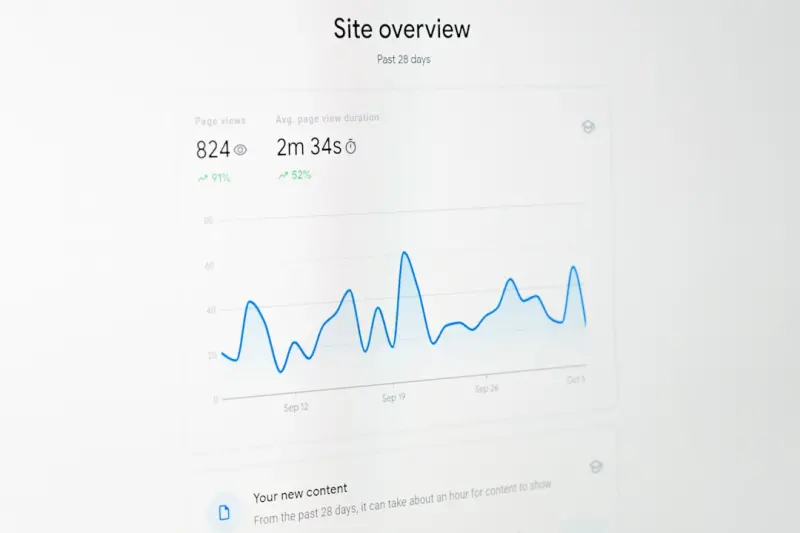
SEO Experiments That Actually Move the Needle for B2B SaaS
A step‑by‑step, data‑first playbook for B2B SaaS marketers to turn SEO changes into measurable... Read More

Zero‑Click SEO: How to Own the Featured Snippet Space
Zero‑click SEO has become a core growth channel for SaaS brands. This guide walks you through iden... Read More
Top Posts

Harnessing Ranking Power on SaaS Pricing Pages: A Tactical Guide
This guide reveals how to transform SaaS pricing pages into SEO magnets, covering headline optimization, structured data, trust signals, performance, accessibil...Read More

Predictive Personalization: Turning First‑Party Data into Real‑Time B2B Wins
Predictive personalization uses first‑party data and machine learning to deliver real‑time, relevant experiences that accelerate trial activation, improve a...Read More

Privacy‑First SEM: Winning in a Cookieless Landscape
A privacy‑first approach to SEM turns cookie restrictions into a competitive edge. Discover how to leverage first‑party intent signals, contextual relevance...Read More

Hidden SEO Levers Inside Facebook Business Pages
Learn to treat your Facebook Business Page as an SEO powerhouse. This guide covers structured data, content strategies, technical hygiene, and insight‑driven ...Read More
0 Comments
Post Comment
You will need to Login or Register to comment on this post!