

Why the Google Algorithm Should Be Your SaaS Product’s North Star
When I first started building SaaS tools, I treated Google like a noisy neighbor—something you appease with occasional content upgrades and hope it won’t complain. Fast‑forward to today, and that neighbor has become the city planner, the traffic cop, and the gatekeeper of growth all at once. The Google algorithm isn’t just a ranking formula; it’s an evolving set of expectations that shape how users discover, evaluate, and ultimately adopt a SaaS solution.
The Algorithm as a Living Blueprint
Think of the algorithm as a living blueprint for the internet. Every update—whether it’s a tweak to relevance signals, a new AI‑driven ranking factor, or a shift in how trust is measured—rewires the pathways that users travel to get from a problem statement to your product’s pricing page.
For SaaS teams, that means the algorithm should be baked into three core processes:
- Product roadmap planning: Prioritize features that naturally generate the types of signals Google loves.
- Content strategy: Align every blog post, help article, and onboarding tip with the intent layers Google’s AI is learning to decipher.
- Data feedback loops: Treat SERP performance as a real‑time telemetry feed, not a vanity metric.
From “Relevance” to “Intent Fusion”
Google’s early algorithmic generations cared mainly about keyword matches. The modern engine, however, is obsessed with intent fusion—the ability to stitch together a user’s explicit query, their historical behavior, and contextual signals (like device type, location, and even time of day) into a single, coherent understanding.
For SaaS marketers, this evolution translates into two actionable insights:
- Map micro‑intents across the buyer journey. A prospect who searches “how to reduce churn in SaaS” is at a different stage than someone typing “best SaaS churn analytics tool”. Your content must surface the right answer at each micro‑intent point.
- Leverage structured data beyond the basics. While schema.org’s
SoftwareApplicationmarkup is still valuable, Google now parses nuanced properties likeoffers,applicationCategory, andfeatureListto surface richer result cards. Embedding these signals helps the algorithm stitch your product into the intent graph more seamlessly.
Algorithmic Bias: The Unseen Gatekeeper
One of the most under‑discussed aspects of Google’s ranking engine is its built‑in bias—an algorithmic preference for content that aligns with its learned notion of authority, expertise, and even linguistic style. For SaaS companies, that bias can manifest in two subtle ways:
- Language uniformity. Articles that echo the phrasing used by industry analysts and thought leaders tend to rank higher. This isn’t about copying; it’s about speaking the same “search language” that the algorithm has been trained on.
- Domain trust transfer. A well‑established SaaS domain can “lift” new sub‑products in SERPs simply because the root domain has accumulated trust over years of consistent, high‑quality output.
Addressing bias isn’t about gaming the system; it’s about aligning your brand voice with the linguistic patterns that Google’s AI recognises as credible.
AI‑First Ranking Signals: Embrace, Don’t Fear
Google’s rollout of the Multitask Unified Model (MUM) and subsequent generative AI layers has turned the algorithm into a content interpreter. It now evaluates:
- Semantic depth. Not just the presence of a keyword, but the thoroughness of coverage across related concepts.
- Contextual relevance. How well your content answers adjacent questions that a user might have before or after the primary query.
- Engagement proxies. Dwell time, scroll depth, and interaction signals are fed back into ranking calculations.
To stay ahead, SaaS marketers should treat AI as a partner in content creation, using it to identify gaps in semantic coverage and to draft outlines that satisfy the algorithm’s depth expectations.
Practical Playbook: Aligning Product Features with Ranking Signals
Below is a concise framework you can embed into your quarterly planning cycle:
1. Signal Mapping Workshop
Gather product managers, SEO specialists, and content creators for a 90‑minute session. Identify the top three ranking signals that matter for each core feature (e.g., “real‑time analytics”, “automated onboarding”). Map each signal to a concrete deliverable—be it a new schema implementation, a case study, or an in‑app tooltip that generates searchable text.
2. Intent‑Layered Content Calendar
Instead of a generic “blog about churn reduction”, break the calendar into intent layers:
- Informational: “What is churn in SaaS?”
- Investigative: “Top 5 churn analytics tools for B2B SaaS”.
- Transactional: “SaaS churn dashboard pricing comparison”.
Each piece should incorporate the structured data discussed earlier, and each should link back to a relevant product page or demo flow.
3. Real‑Time SERP Telemetry Dashboard
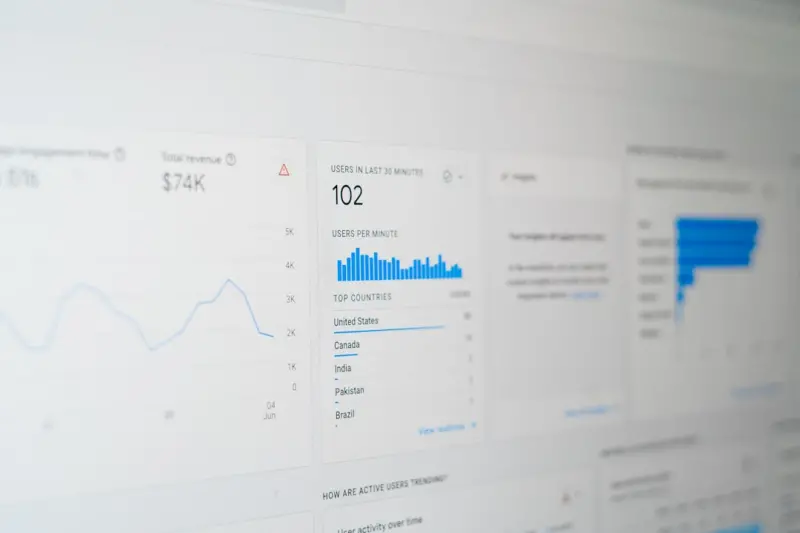
Set up a dashboard that pulls ranking positions, click‑through rates, and engagement metrics for your flagship keywords. Treat any sudden dip as a signal to revisit your intent‑layer mapping—perhaps Google’s algorithm has learned a new semantic association you missed.
4. Continuous Trust Building
Publish technical partnership case studies that showcase real‑world integrations. Not only do these assets generate high‑quality backlinks, but they also reinforce the domain‑level trust that the algorithm rewards.
5. Mobile‑First, but Not Mobile‑Only
While the algorithm now heavily weights mobile usability, don’t let that eclipse other signals. For SaaS tools, a responsive UI is a given; focus instead on core performance metrics that impact load speed, such as server response time and lazy loading of heavy dashboards.
Case Study: Turning a Feature Release into a Ranking Spike
One of our SaaS clients launched a “predictive churn alert” module. Instead of a traditional product announcement, they:
- Created a
SoftwareApplicationschema with afeatureListthat explicitly listed “predictive churn alerts”. - Published a deep‑dive guide titled “How Predictive Analytics Cuts SaaS Churn by 30%”. The guide covered related concepts like “machine learning”, “customer health scores”, and “real‑time monitoring”.
- Embedded an interactive demo that generated a unique URL for each visitor, which Google crawled and indexed as a separate “app page”.
- Leveraged an existing technical partnership to co‑author a whitepaper, earning a high‑authority backlink.
Within three weeks, the feature’s target keyword moved from page three to the second position, and the client saw a 12% lift in free‑trial sign‑ups directly attributable to organic traffic.
Future‑Proofing: Preparing for the Next Algorithmic Wave
The only constant with Google is change. To keep your SaaS growth engine humming:
- Invest in data literacy. Your SEO team should be comfortable reading algorithmic change logs, understanding AI model updates, and translating them into product decisions.
- Adopt a “Signal First” mindset. Every new feature should be evaluated for the ranking signals it can naturally generate—be it structured data, user‑generated content, or performance improvements.
- Maintain a feedback loop. Use SERP telemetry not just for reporting, but as a decision‑making input for product iterations.
When you let the Google algorithm inform—not dictate—your SaaS roadmap, you create a virtuous cycle where product excellence fuels search visibility, and search visibility fuels product adoption.
Takeaway
Stop treating Google as a hurdle and start treating it as a co‑architect. By aligning your product roadmap, content strategy, and data analytics with the algorithm’s evolving expectations, you’ll not only stay visible in the SERPs—you’ll become the go‑to solution that Google naturally recommends.

Brody Lambert is an emerging freelance writer whose fresh voice and thoughtful approach are quickly making their mark. As a fairly new entrant in the world of freelance writing, Brody brings a blend of curiosity and dedication that fuels every project, crafting stories and content that resonate with authenticity and clarity.
Related Posts

Reading Google’s Algorithm Like a Weather Forecast: A SaaS Marketer’s Guide
Treat Google’s algorithm updates as weather patterns: monitor rankings, SERP features, crawl stats... Read More

Decoding Google’s Algorithm: What SaaS Marketers Should Really Care About
A deep dive into Google’s multi‑layered ranking engine reveals why SaaS marketers must look beyo... Read More

Passage Indexing Unlocked: A SaaS Playbook for Deep SERP Wins
Passage indexing lets Google surface bite‑sized answers from deep within your pages. This guide sh... Read More
Top Posts

Rich Snippet Strategies That Transform eCommerce Visibility
Rich snippets can dramatically increase click‑through rates and conversions for online stores. This guide explains how to implement FAQ, How‑To, and Review ...Read More

Navigating Google’s New AI Search Landscape for SaaS Growth
A deep dive into Google’s Search Generative Experience (SGE) reveals how SaaS marketers can adapt their SEO tactics—focusing on passage relevance, entity li...Read More
Privacy‑First SEO: Navigating Data Regulations Without Losing Rankings
In an era of strict data regulations, SEO must evolve. This post outlines how to build a privacy‑first strategy—leveraging first‑party signals, structured...Read More

How to Turn Google Discover into a Traffic Engine
Google Discover can flood your site with high‑value clicks. This guide reveals the signals, content tricks, and data loops you need to dominate the feed and b...Read More
0 Comments
Post Comment
You will need to Login or Register to comment on this post!