
Welcome to the Intent‑First Era
Google’s algorithms have reached a point where they no longer just rank pages—they strive to satisfy the exact purpose behind every query, and that shift has re‑engineered the entire SEO playbook. In 2026 the term “intent‑first” isn’t a buzzword; it’s the lens through which I evaluate every piece of content, from headlines to footnotes, ensuring it mirrors the user’s underlying need. As a longtime practitioner, I’ve watched the transition from keyword stuffing to purpose‑driven storytelling, and I’m here to share the tactics that keep my clients ahead of the curve.
The Science of User Intent
Today’s search engines combine massive language models with real‑time behavioral data, allowing them to parse nuanced signals such as phrasing, device type, and even the emotional tone of a query. This means a search for “best coffee beans” might surface a detailed buying guide for enthusiasts, while “how to brew espresso at home” triggers step‑by‑step tutorials, reflecting distinct intent categories—commercial, informational, and transactional. By mapping these categories to your content, you align your pages with the very questions users are asking, boosting relevance and click‑through rates.
Audit Your Content for Intent Alignment
The first actionable step is a comprehensive content audit that tags each page with its primary intent—informational, navigational, commercial, or transactional—and then cross‑checks that label against SERP behavior and keyword modifiers. Tools that surface click‑through patterns and bounce metrics can highlight mismatches, prompting you to either rewrite the copy or reassign the page to a more suitable keyword cluster. For deeper insights, I often reference Intent‑First SEO Revolution 2026: What’s Next for Rankings, which outlines a framework for aligning content with evolving user purpose.
Building Semantic Content Clusters
Instead of isolated pages, think in terms of topical hubs that collectively answer a broader question, with each sub‑page targeting a specific long‑tail variation of the core intent. This cluster model signals to Google that your site possesses depth and authority on the subject, encouraging the algorithm to distribute ranking equity across the entire group. When you interlink these pages using descriptive anchor text, you reinforce the semantic relationships that search engines use to understand context and relevance.
Leverage Structured Data for Clarity
Schema markup remains a powerful, yet often underutilized, tool for clarifying intent to crawlers. By implementing FAQ, How‑To, and Product schemas where appropriate, you give Google explicit cues about the type of information a page delivers, increasing the likelihood of rich‑result appearances. Rich snippets not only improve visibility but also pre‑qualify users by delivering immediate answers, which aligns perfectly with the intent‑first philosophy.
Metrics That Matter in an Intent‑First World
Traditional SEO metrics like organic traffic volume are still valuable, but they must be complemented by intent‑specific indicators such as dwell time on purpose‑aligned pages, pogo‑sticking rates for transactional queries, and conversion paths that trace a user from informational content to a purchase. By setting up custom dashboards that segment performance by intent type, you can pinpoint which clusters are driving real business outcomes and which need further refinement.
Looking Ahead: 2027 and Beyond
As AI continues to mature, the line between human‑written and machine‑generated content will blur, but the core principle remains unchanged: satisfying intent. Anticipate more granular intent signals derived from voice assistants, AR queries, and multimodal searches, requiring a blend of text, video, and interactive elements that collectively answer a user’s need. Preparing now by diversifying content formats and maintaining a rigorous intent‑first audit will position your site to thrive as Google’s understanding of purpose deepens.
Real‑World Success: A Case Study
One recent client in the sustainable fashion niche saw a 62% increase in organic conversions after we restructured their blog into intent‑driven clusters, added FAQ schema, and refreshed meta tags to reflect specific user goals. The transformation was documented in How the Intent‑First Revolution Is Redefining Google SEO in 2026, where we broke down each step, from audit to implementation, and measured the impact on rankings and revenue. Their success underscores that intent‑first isn’t just theory—it’s a measurable, revenue‑driving strategy.
Take Action Today
If you’re ready to future‑proof your SEO strategy, start by mapping your top‑performing pages to clear intent categories, then build semantic clusters around those pillars, and finally enrich the experience with schema markup. The intent‑first approach isn’t a one‑time project; it’s an ongoing discipline that evolves with user behavior and search engine capabilities. Embrace the shift, and you’ll not only climb the rankings but also deliver the precise answers users crave, turning clicks into lasting relationships.

When it comes to the world of blogging and writing, Rose DesRochers is a name that stands out. Her passion for creating quality content and connecting with her audience has made her a trusted voice in the industry. Aside from her skills as a writer and blogger, Rose is also known for her compassionate nature.
Related Posts

Riding the 2024 Google SEO Wave: My Insider Take
Rose DesRochers shares her insider perspective on 2024 Google SEO, revealing how intent, AI, and aut... Read More

Unlocking Google SERP Features: A Tactical Guide to Dominating Search Results
Learn a step‑by‑step approach to mastering Google’s rich results—FAQ boxes, carousels, and k... Read More
Emerging SERP Features: How to Future‑Proof Your SEO Strategy
Google’s search results are evolving beyond traditional listings. Learn how FAQ boxes, How‑To ca... Read More
Top Posts

Entity‑Centric SEO: How SaaS Brands Can Own the Knowledge Graph
This post explains why SaaS brands should shift from keyword‑only tactics to entity‑centric SEO, offering practical steps to map core entities, implement ri...Read More
Beyond Text: How Multimodal Search is Rewriting SEO Rules
Multimodal search blends text, images, video, and audio to deliver richer SERP experiences. This post outlines practical steps—structured data, visual optimiz...Read More
SERP Feature Optimization: Turning Search Results Into Real Estate
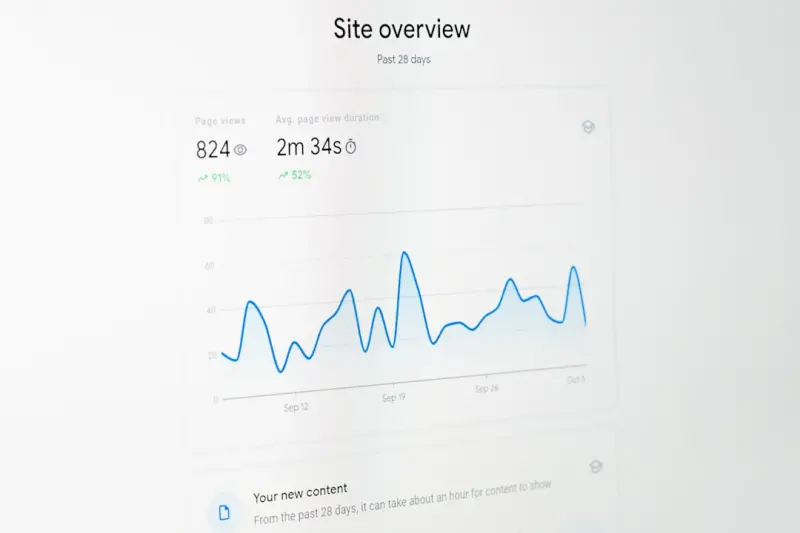
Discover a fresh SEO strategy that focuses on SERP features—like featured snippets, Knowledge Panels, and video carousels—so your brand can claim prime real...Read More

The Hidden SEO Goldmine in WordPress Taxonomies
Learn a fresh SEO strategy for WordPress: use taxonomies to create structured content hubs, improve internal linking, and capture new organic traffic....Read More
0 Comments
Post Comment
You will need to Login or Register to comment on this post!