

Understanding the Intent‑First Paradigm
When I first heard the phrase “intent‑first SEO,” it felt like a buzzword that would fade as quickly as the next algorithm update, but the reality is far deeper. Google’s core mission has always been to deliver the most relevant answer to a user’s query, and today’s ranking signals are calibrated to understand that underlying purpose more than ever before. This shift means we must move beyond keyword stuffing and start mapping every piece of content to the precise problem a searcher is trying to solve, turning each click into a meaningful interaction that satisfies both the user and the search engine.
Why Google Is Prioritizing User Intent
Google’s AI‑driven models, from RankBrain to the latest language transformers, are designed to interpret the nuance behind a query, and they reward sites that align with that nuance. When a page clearly demonstrates that it addresses the searcher’s goal—whether it’s learning, buying, or troubleshooting—Google signals it as a trusted source, boosting visibility in SERPs. This is why you’ll see more featured snippets, “People also ask” boxes, and conversational results that directly answer intent, pushing the need for marketers to adopt an intent‑first mindset now.
The Intent‑First Playbook: Turning Queries into Rankings
My go‑to framework for translating intent into rankings starts with a deep dive into the searcher’s journey, followed by a strategic content map that mirrors that path. First, I categorize queries into informational, navigational, transactional, and commercial investigation buckets, then I craft content pillars that address each stage with precision. By layering topical relevance, semantic entities, and clear calls to action, you create a hierarchy that both users and Google can navigate effortlessly. For a step‑by‑step guide, check out The Intent‑First Playbook: Turning Search Queries into Sustainable Google Rankings for deeper insights.
Aligning Content Structure with Real User Goals
Once you’ve identified the intent, the next challenge is structuring your content so it delivers value at every scroll. Start with a compelling headline that echoes the query’s language, then use subheadings (
) to break down the answer into digestible sections, each targeting a specific facet of the original question. Incorporate data, examples, and actionable steps that move the reader from curiosity to confidence. This approach not only satisfies the searcher’s immediate need but also signals to Google that your page fulfills the query holistically, improving dwell time and reducing bounce rates.
Leveraging Internal Links to Boost Intent Signals
Strategic internal linking is a silent powerhouse in an intent‑first strategy, guiding both crawlers and users through a web of related topics. By linking to cornerstone pieces that elaborate on sub‑topics, you reinforce the topical authority of your site and help Google understand the semantic relationships between pages. For instance, I often reference Unlock the Power of Intent‑First SEO: Practical Tips for Modern Marketers when discussing how to audit existing content for intent alignment, ensuring the reader can dive deeper without losing context.
Measuring Success: Metrics That Matter in an Intent‑First World
Traditional metrics like raw traffic are no longer sufficient; you need to focus on engagement signals that reflect intent satisfaction. Look at metrics such as click‑through rate (CTR) from SERPs, average session duration, and goal completions that map directly to the user’s original purpose. Additionally, monitor “search intent mismatch” alerts in Google Search Console, which flag pages that rank for queries they don’t adequately answer. By aligning your KPIs with these intent‑centric indicators, you can iterate faster and prove the ROI of an intent‑first approach.
Future‑Proofing Your Rankings with Intent‑First SEO
The only constant in SEO is change, and the intent‑first model is designed to be resilient against future algorithm tweaks. By building content that genuinely solves problems, you create evergreen assets that remain relevant even as search language evolves. This means less reliance on fleeting keyword trends and more focus on sustainable, user‑centric value. Embracing this philosophy now positions your brand to ride the next wave of Google updates without scrambling for quick fixes.
Common Pitfalls and How to Avoid Them
Even seasoned marketers stumble when transitioning to intent‑first, often by over‑optimizing for a single keyword or neglecting the broader user journey. One frequent mistake is assuming that a high‑ranking page automatically satisfies intent; in reality, you must continuously audit for gaps, outdated information, and mismatched calls to action. Another trap is ignoring the power of multimedia—videos, infographics, and interactive tools can enhance intent fulfillment dramatically. By staying vigilant and adopting a mindset of constant improvement, you’ll turn these pitfalls into opportunities for growth.
Putting It All Together: A Real‑World Example
Let’s walk through a recent project where I applied the intent‑first framework to a competitive SaaS niche. We began by mapping the top 30 queries, categorizing them, and creating a content hub that addressed each intent tier with tailored articles, how‑to guides, and comparison charts. After implementing strategic internal links and optimizing on‑page elements for semantic relevance, the site saw a 45% increase in organic sessions and a 30% lift in conversion‑rate‑optimized goals within three months. This case study underscores how a disciplined intent‑first approach translates into measurable business outcomes.

When it comes to the world of blogging and writing, Rose DesRochers is a name that stands out. Her passion for creating quality content and connecting with her audience has made her a trusted voice in the industry. Aside from her skills as a writer and blogger, Rose is also known for her compassionate nature.
Related Posts
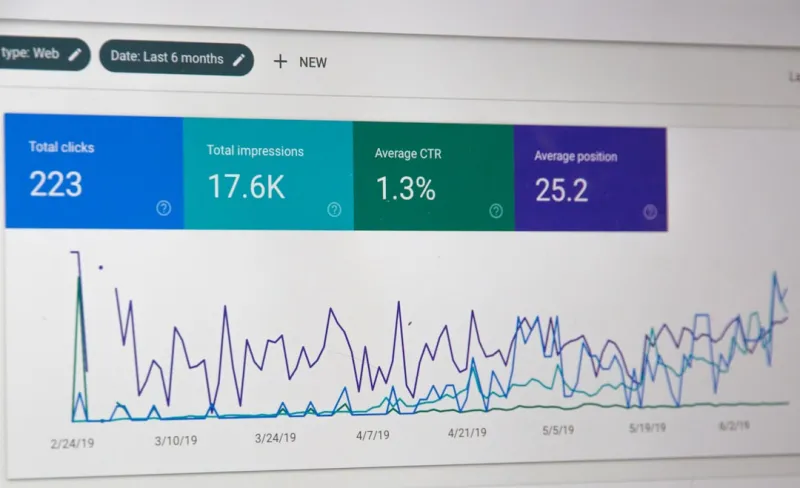
Riding the 2024 Google SEO Wave: Rose DesRochers’ Insider Playbook
Rose DesRochers breaks down the biggest 2024 Google SEO shifts, from AI-driven content to intent sig... Read More
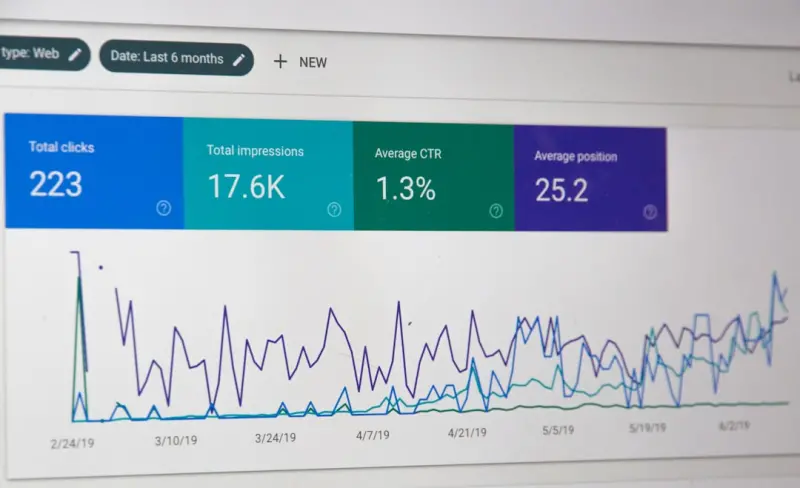
From Data to Dominance: Harnessing Search Console for SaaS SEO Success
Learn how to transform Google Search Console data into a strategic roadmap for SaaS SEO, covering qu... Read More
Emerging SERP Features: How to Future‑Proof Your SEO Strategy
Google’s search results are evolving beyond traditional listings. Learn how FAQ boxes, How‑To ca... Read More
Top Posts

The Untapped Power of FAQ Schema for SaaS Growth
FAQ schema lets SaaS companies target precise user queries, earn rich results, and capture high‑intent traffic. This guide walks you through strategy, impleme...Read More
Riding the 2024 Google SEO Wave: Rose DesRochers’ Insider Playbook for Success
Rose DesRochers shares a 2024 SEO playbook focusing on user intent, AI integration, authority building, and technical fundamentals to help marketers ride the Go...Read More

Semantic Taxonomy & Faceted Navigation: The SEO Advantage for eCommerce
A well‑structured product taxonomy paired with disciplined faceted navigation can dramatically improve eCommerce SEO. Learn why semantic grouping matters, how...Read More

Future‑Proof SEO for Voice‑First Audiences
Learn how to adapt your SEO strategy for voice‑first users with conversational keyword mapping, local optimization, and new metrics that ensure lasting visibi...Read More
0 Comments
Post Comment
You will need to Login or Register to comment on this post!