

Why Voice‑First Search Is No Longer a Niche
When I first heard the phrase “voice‑first” in a coffee‑shop brainstorming session, I thought it was a fleeting buzzword, but the data quickly proved otherwise: over half of all mobile searches now begin with a spoken query, and smart‑speaker adoption continues to climb despite the hype cycles that surround new gadgets. This shift forces marketers to rethink the way they structure content, because voice assistants prioritize brevity, relevance, and context over the keyword stuffing tactics that once dominated the SEO playbook. As a result, the traditional funnel—awareness, consideration, conversion—must now accommodate a conversational layer that can answer a user’s question before they even finish asking it.
Decoding the Voice‑First Landscape
The first step in any voice‑centric strategy is to recognize that search intent has become even more nuanced when a human voice is involved; users speak naturally, often stringing multiple intents together, such as “find a vegan pizza place that delivers near me tonight.” Unlike typed queries, which are typically concise, spoken queries tend to be longer, more question‑like, and heavily influenced by the surrounding context—time of day, location, even the user’s personal habits. Understanding these patterns requires a blend of linguistic analysis and real‑world observation, from listening to how customers phrase requests on your support line to mining call‑center transcripts for recurring phraseology.
Mapping Conversational Keywords
Traditional keyword research tools still have a place, but they need to be complemented with a “question‑first” mindset that captures the way people actually speak. Start by extracting long‑tail question phrases from platforms like AnswerThePublic, Reddit, and even the “People also ask” boxes that appear in SERPs; then cluster those questions by user intent—informational, navigational, or transactional—and prioritize the clusters that align with your brand’s core offerings. Remember that voice assistants favor answers that match the user’s phrasing exactly, so incorporating natural language variations such as “how do I…,” “what’s the best way to…,” and “can I…” can dramatically improve your chances of landing a featured snippet. This approach also uncovers hidden content gaps that you can fill with purpose‑built pages or FAQ sections.
Structuring Content for Snippets and Answers
Once you have a list of conversational queries, the next challenge is to craft content that Google’s algorithm can easily parse and elevate to the coveted “position zero.” Start each answer with a concise, direct sentence that mirrors the question, followed by a brief elaboration that adds value without veering off‑topic; think of it as a micro‑article that can stand alone when read aloud. Use bullet points or numbered lists whenever possible, because they translate well into spoken output and improve readability for both humans and crawlers. For deeper topics, consider embedding a data‑driven link building case study that demonstrates real‑world results, as linking to high‑authority resources signals credibility to voice assistants and can boost your snippet eligibility.
Localizing Voice Queries for Maximum Reach
Geography plays an outsized role in voice search, especially on mobile devices where users often ask “near me” or “in my area” questions that demand hyper‑local relevance; therefore, ensuring your business listings are accurate, complete, and consistently formatted across Google My Business, Apple Maps, and Bing Places is non‑negotiable. Beyond basic NAP (Name, Address, Phone) data, enrich your profiles with localized schema markup that highlights opening hours, service areas, and even popular menu items or product SKUs, because voice assistants pull this structured information directly into their spoken responses. Additionally, create location‑specific landing pages that answer community‑focused queries—such as “best late‑night coffee in downtown” or “family‑friendly parks with free Wi‑Fi”—and embed geo‑targeted keywords naturally within headings and meta descriptions.
Technical Foundations: Speed, Schema, and Accessibility
Voice‑first experiences demand lightning‑fast load times, as users expect an answer in the time it takes to finish a sentence; compress images, leverage browser caching, and serve critical CSS inline to shave milliseconds off page render times. Equally important is implementing the right schema types—FAQPage, HowTo, and Answer Type markup—to give search engines explicit signals about the question‑answer relationship on your page, which dramatically improves the odds of being selected for a voice response. While you’re optimizing, don’t forget accessibility: use proper heading hierarchy, descriptive alt text, and ARIA labels, because voice assistants often rely on the same underlying HTML semantics to generate spoken answers for screen‑reader users.
Leveraging User Feedback Loops
One of the most underutilized assets in a voice‑first strategy is the direct feedback you receive when users repeat or rephrase a query after an unsatisfactory answer; these “failed” interactions are gold mines for refining your content. Set up monitoring tools that capture voice‑search logs from your site’s internal search, and map recurring misspellings or alternate phrasings back to your keyword clusters to identify gaps. You can also invite customers to submit voice recordings of their typical searches, then transcribe and analyze the data for emerging trends. This iterative loop not only keeps your content fresh but also signals to search engines that you’re actively aligning with real user language, which can boost relevance scores over time.
Measuring Success with New Voice Metrics
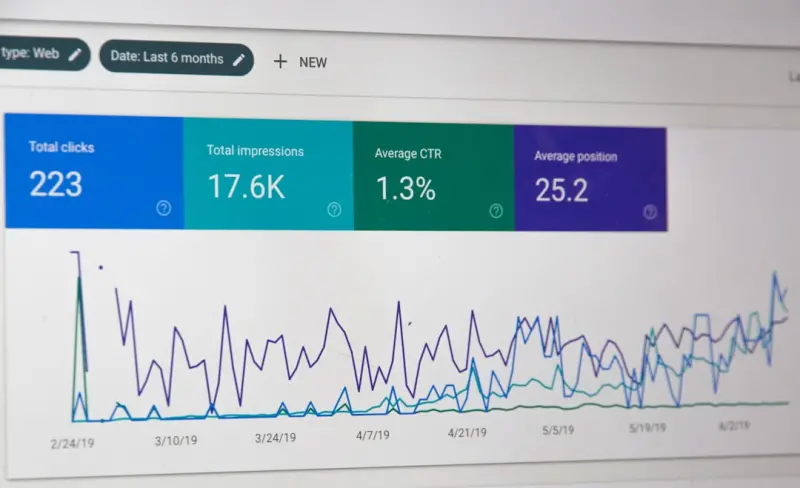
Traditional SEO metrics like organic traffic and bounce rate still matter, but voice‑first optimization requires additional lenses such as “voice impression share,” “answer position,” and “average time to spoken answer.” Use Google Search Console’s “Performance” report to filter for “Position 0” impressions, and pair that data with your own analytics to track downstream conversions—whether that’s a click‑through to a product page, a phone call, or a map direction request. When you notice a dip in answer position, drill down into the specific query and assess whether your content still aligns with the latest conversational phrasing, or if a competitor has introduced a richer, more structured answer. This data‑driven vigilance ensures you stay ahead of the algorithmic shifts that frequently accompany voice‑search updates.
Future‑Proofing Your Voice SEO Strategy
Looking ahead, the convergence of AI‑driven assistants, multimodal search, and increasingly personalized results will make voice SEO an ever‑evolving discipline, so the best defense is a flexible, content‑first framework that can adapt to new query formats without a complete overhaul. Invest in a modular content architecture where each answer block can be repurposed across blog posts, product pages, and even chat‑bot scripts, and maintain a living glossary of conversational phrases that you regularly audit for relevance. By treating voice search not as a siloed tactic but as an extension of your broader SEO ecosystem—intertwined with structured data, local relevance, and user‑centric design—you’ll create a resilient digital presence that thrives whether the query comes from a phone, a speaker, or the next generation of AR glasses.

Mei Chen is a dynamic professional who brings a unique blend of skills to Mighty Directory. As a key contributor to the Mighty Directory platform, she leverages her writing expertise to create engaging content that resonates with our audience.
Related Posts

Ride the 2024 SEO Wave: Rose DesRochers’ Fresh Tips for Intent, AI, and Authority
Rose DesRochers shares a 2024 SEO playbook, blending intent mapping, AI‑assisted writing, and auth... Read More

Intent-First SEO: The Game‑Changing Tips You Need Today
A practical guide to intent‑first SEO, showing how to map user intent, optimize technically, and m... Read More
Visual Search SEO: Turning Images into Traffic Magnets
Visual search is reshaping how users discover content. This guide walks you through image optimizati... Read More
Top Posts

AI Search Assistants: Redefining Site Navigation and User Intent
Discover the untapped potential of AI search assistants to reinvent site navigation, personalize user journeys, and unlock new SEO opportunities—all from a fr...Read More

Layered Intent Targeting: A New SEM Playbook for SaaS Growth
This article introduces a three‑pillar, layered intent framework for SaaS search engine marketing, showing how to combine deep search signals, first‑party b...Read More

Neighborhood Guides: Turning Your Locale into a Search Magnet
A step‑by‑step guide shows how to build hyper‑local neighborhood pages that earn rich results, authority backlinks, and high‑intent leads—turning your...Read More

Navigating Google’s New AI Search Landscape for SaaS Growth
A deep dive into Google’s Search Generative Experience (SGE) reveals how SaaS marketers can adapt their SEO tactics—focusing on passage relevance, entity li...Read More
0 Comments
Post Comment
You will need to Login or Register to comment on this post!