
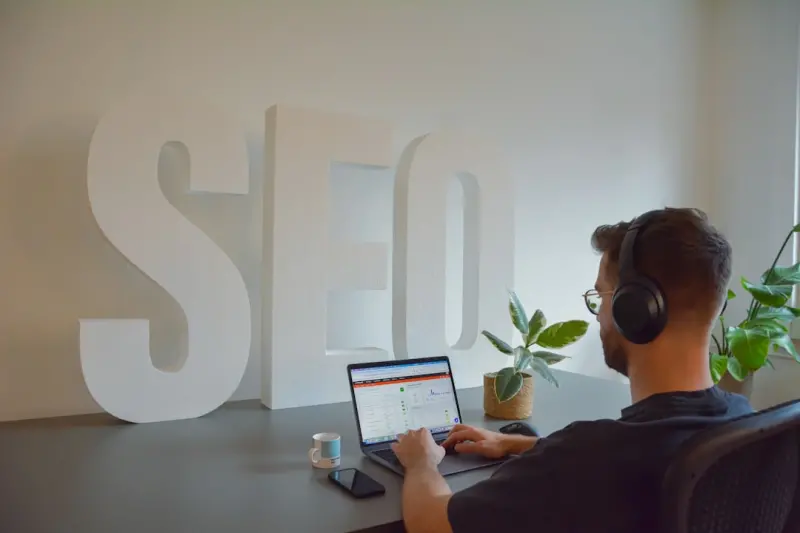
When I first started writing about SEO for SaaS, the conversation revolved around text‑heavy strategies: keywords, backlinks, and schema. Today, the conversation has shifted to the screen that’s literally in front of users’ faces—video. From explainer reels to live‑streamed product demos, video content is no longer a nice‑to‑have; it’s a ranking imperative. In this post I’m diving deep into why video SEO matters for SaaS, how the search engines are treating moving images, and the tactical steps you can take to turn every frame into a traffic‑generating asset.
Why Video Is the New Frontier for SaaS SEO
Search engines have always tried to understand user intent. Historically that meant parsing the text on a page, interpreting anchor text, and analyzing inbound links. But video adds layers of context that text alone can’t convey—tone, visual cues, product workflows, and real‑time demonstrations. Google’s multimodal algorithm has already begun rewarding content that blends text, images, and video, and the signal is only getting stronger.
- Higher Engagement Metrics: Users spend more time on pages with video. Dwell time and session duration are key ranking signals, and video naturally boosts both.
- Rich SERP Features: Video carousels, “People also ask” boxes with video answers, and YouTube results embedded directly in Google’s SERP give you multiple real‑estate opportunities.
- Authority Building: Demonstrating product functionality through video positions your brand as an expert, encouraging natural backlinks and social shares.
For SaaS businesses, the payoff is especially compelling. Prospects often need to see a product in action before they commit. If your video content is discoverable via organic search, you’re capturing demand at the exact moment a buyer is evaluating solutions.
Understanding How Search Engines Index Video
Google can’t “watch” video the way a human does, but it can read metadata, transcripts, and surrounding text. Here’s what the crawler looks for:
- Title and Description Tags: Just like a web page, the video’s
<title>and<meta description>are the first clues. Keep them concise, keyword‑rich, and compelling. - Closed Captions & Transcripts: Adding an accurate transcript provides crawlable text, helping Google understand the content and improving accessibility.
- Schema Markup: Use
VideoObjectschema to signal video length, thumbnail, upload date, and interaction count. - Thumbnail Optimization: Google often pulls the thumbnail for SERP listings; an eye‑catching image can increase click‑through rates.
- Hosting Platform Signals: While YouTube is the default go‑to, self‑hosting on your domain (with proper schema) can pass more link equity to your site.
When these signals align, search engines treat your video like any other piece of content—ready to rank, get featured, and drive traffic.
Strategic Video Types for SaaS Brands
Not all video is created equal. Here are the formats that deliver the biggest SEO lift for SaaS:
- Product Demos & Walkthroughs: Show the core workflow. Break it into short, topic‑focused chapters so users can jump to the part they care about.
- Customer Success Stories: Real‑world use cases add credibility and naturally embed long‑tail keywords (e.g., “how Company X reduced churn using Product Y”).
- Feature Announcements: When you release a new module, pair the release note with a 60‑second highlight reel. This builds on the SEO momentum of release‑note content while adding a visual hook.
- Thought‑Leadership Webinars: Longer form content can be repurposed into shorter clips, each targeting a specific query.
- FAQ Explainers: Answer common questions with concise video snippets—perfect for the “People also ask” boxes.
Building a Video‑First SEO Workflow
Integrating video into your SEO strategy isn’t a one‑off project; it’s an ongoing workflow. Below is a step‑by‑step process you can embed into your existing content calendar.
1. Ideation & Keyword Mapping
Start with the same keyword research you use for blog posts. Identify high‑volume, low‑competition queries that lend themselves to visual explanation. Tools like AnswerThePublic or Ahrefs can surface question‑based keywords ideal for video (“how to set up SSO in SaaS platform”). Map each keyword to a video concept.
2. Script & Storyboard
Even a 30‑second demo benefits from a script. Include the primary keyword naturally in the opening sentence and on‑screen text. A storyboard ensures you capture the right visual cues, reducing post‑production edits.
3. Production (Keep It Scalable)
Don’t aim for Hollywood. Modern SaaS teams can produce high‑quality video with a laptop, a good microphone, and screen‑recording software. Consistency in branding (intro/outro, colors, logo) helps reinforce brand recall.
4. Post‑Production Optimization
- Transcribe & Caption: Use AI transcription services, then edit for accuracy. Upload the .vtt file to YouTube and embed the transcript on the landing page.
- Schema Implementation: Add
VideoObjectJSON‑LD to the page hosting the video. - Thumbnail A/B Testing: Test multiple thumbnails to see which drives the highest CTR in SERPs.
5. Distribution & Embedding
Publish the video on YouTube and embed it on a dedicated, SEO‑optimized landing page. The page should include a comprehensive written summary, bullet‑point takeaways, and the full transcript. This layered approach captures both video and text signals.
6. Amplify with Internal Links
Leverage your site’s internal linking structure to funnel authority to the video page. Link from high‑traffic blog posts, product documentation, and resource hubs. When you do this, you’re not just helping users discover the video—you’re signaling its importance to search crawlers.
For example, you might reference a technical deep‑dive on edge performance and embed a quick “how‑to” video that explains the concept in under two minutes. This creates a symbiotic relationship between text and video content.
7. Monitor, Iterate, and Repurpose
Use YouTube Analytics and Google Search Console to track impressions, click‑through rates, and average position. Identify underperforming videos, tweak titles or thumbnails, and re‑publish. Repurpose high‑performing clips into social snippets, email newsletters, or even animated GIFs for community forums.
Case Study: Turning a Feature Update Into Video Gold
One of our SaaS clients recently launched a new analytics dashboard. The product team wrote a standard release note, but they also produced a 90‑second walkthrough video. Here’s what happened when they followed a video‑first SEO workflow:
- Landing Page Creation: The video was embedded on a page titled “New Analytics Dashboard Demo – How to Generate Insightful Reports.” The page also included a detailed transcript and FAQ.
- Schema & Structured Data: Implemented
VideoObjectmarkup, which allowed the page to appear in Google’s “Video” carousel for queries like “SaaS analytics dashboard tutorial.” - Internal Linking Boost: Linked from the company’s “Product Updates” blog archive and the “Resources” hub. This passed link equity and increased crawl frequency.
- Performance Metrics: Within two weeks, the page ranked on the first page for the target query, garnered a 4.5% CTR from the video carousel, and contributed a 12% lift in organic sessions to the product’s pricing page.
This example underscores the compound effect of video SEO: you’re not just adding another asset, you’re creating a multi‑dimensional ranking signal.
Leveraging Emerging Video Platforms for SEO Advantage
While YouTube remains dominant, newer platforms offer unique SEO opportunities:
- Short‑Form Reels (TikTok, Instagram Reels): These can rank in Google’s “Video Shorts” carousel, especially for trend‑based queries.
- LinkedIn native video: For B2B SaaS, LinkedIn videos can appear in Google’s SERP when the query includes “LinkedIn.” Optimizing titles and descriptions is still essential.
- Vimeo SEO: Vimeo’s clean player and SEO‑friendly URLs make it a solid alternative for hosted webinars and high‑resolution demos.
Don’t scatter your effort—choose one or two platforms that align with your audience’s consumption habits and double‑down on optimization.
Future‑Proofing: Video SEO Meets AI
Artificial intelligence is reshaping how search engines understand video content. Google’s AI can now extract semantic meaning from visual frames, identifying objects, on‑screen text, and even sentiment. This means that the quality of your visual storytelling will directly influence rankings.
To stay ahead:
- Use On‑Screen Text Strategically: Include key terms as captions or call‑outs within the video itself.
- Maintain High Production Standards: Clear audio, steady lighting, and professional graphics help AI accurately interpret content.
- Leverage prompt engineering techniques: When generating video titles or descriptions with AI tools, craft prompts that emphasize target keywords and user intent.
By aligning visual quality with semantic relevance, you’ll be well positioned for the next wave of AI‑driven video rankings.
Putting It All Together: Your 30‑Day Video SEO Sprint
Ready to get started? Here’s a practical sprint plan:
- Week 1 – Research & Planning: Identify 5 high‑value keywords and map them to video concepts.
- Week 2 – Production: Script, record, and edit the videos. Ensure each includes captions and a clear call‑to‑action.
- Week 3 – Optimization: Add transcript, schema, and SEO‑rich titles/descriptions. Publish on YouTube and embed on optimized landing pages.
- Week 4 – Amplify & Measure: Build internal links, share on social channels, and monitor performance via Search Console.
Repeat the cycle, gradually expanding your video library. Over time, you’ll create a robust video ecosystem that fuels both brand awareness and organic growth.
Final Thoughts
Video isn’t a side project; it’s a core pillar of modern SEO, especially for SaaS companies that need to convey complex value propositions quickly. By treating video as an SEO asset—complete with keyword research, structured data, and internal linking—you’ll unlock higher engagement, richer SERP features, and a sustainable pipeline of organic traffic.
If you’ve been hesitant about diving into video because of production costs or technical uncertainty, remember: the SEO upside often outweighs the initial investment. Start small, iterate, and watch your rankings—and your conversion rates—take off.

Laura Wilson is a freelance writer specializing in the dynamic and ever-evolving field of health. With a passion for translating complex medical information into accessible and engaging content, Laura brings a wealth of knowledge and a fresh perspective to topics ranging from preventative care and nutrition to cutting-edge research and innovative treatments.
Related Posts
SEO News: Rose DesRochers Decodes 2024’s Most Impactful Algorithm Shifts
Rose DesRochers breaks down the biggest 2024 algorithm updates, offering actionable insights on AI, ... Read More
User Interaction Signals: The Next Frontier for SaaS SEO Success
User interaction metrics are becoming crucial ranking factors. This post explains why SaaS marketers... Read More
Intent‑First Revolution Redefines SEO in 2026: My Take on the Latest Shifts
Rose DesRochers breaks down the 2026 Intent‑First Revolution, showing why intent, AI, and authorit... Read More
Top Posts

Decoding Google’s Passage Indexing: Micro‑Content Strategies for Modern SEO
Explore Google’s passage indexing, understand its impact on rankings, and get practical steps to turn every paragraph into a searchable micro‑content asset....Read More

Facebook Groups: The Untapped SEO Engine for SaaS Growth
Learn why Facebook Groups are a powerful, often overlooked SEO asset for SaaS marketers, and get a step‑by‑step guide to turning group discussions into ever...Read More

Mobile Deep Linking & App Indexing: A Tactical Edge for SaaS Growth
A deep dive into mobile deep linking and app indexing, showing SaaS marketers how to turn mobile app traffic into searchable assets that drive growth and improv...Read More
The 2024 SEO Playbook: Rose DesRochers’ Insider Secrets for Intent, AI, and Authority
Rose DesRochers shares her 2024 SEO playbook, blending intent, AI, and authority tactics to boost rankings and drive traffic....Read More
0 Comments
Post Comment
You will need to Login or Register to comment on this post!