
Why Facebook Is the Quiet Giant Behind Modern Search
When most marketers hear “SEO,” their minds jump straight to Google’s algorithmic labyrinth. Yet, the reality is that billions of users start their discovery journeys inside social platforms, and Facebook’s internal search engine is quietly shaping the visibility of brands, products, and thought leadership. As someone who has spent the last decade weaving content strategies across both paid and organic channels, I’ve learned that treating Facebook as a search engine—not just an ad playground—opens a whole new tier of organic reach.
The Anatomy of Facebook Search
Facebook’s search isn’t a monolith; it consists of three overlapping layers:
- Page Search – Users type a brand name or keyword and are presented with pages, verified profiles, and sometimes associated groups.
- Group Search – Communities are surfaced based on relevance, activity, and the perceived authority of the group admins.
- Content Search – Posts, reels, stories, and even comments can appear when the platform deems them useful for the query.
Unlike Google, which crawls the open web, Facebook’s crawler works within a closed ecosystem. It evaluates signals such as profile completeness, engagement velocity, keyword relevance in the “About” section, and the depth of your social graph. Understanding these levers is the first step toward a sustainable Facebook SEO strategy.
Optimizing Your Page for Facebook Search
Think of your Facebook Page as a mini‑website. Every field you fill out is an indexable element.
- Page Name & URL: Keep the name concise and keyword‑rich without sounding spammy. The custom URL (facebook.com/your‑brand) should mirror your primary brand term.
- About Section: This is where you can embed the most important keywords. Use natural language, and sprinkle in related terms that your audience might type (e.g., “eco‑friendly office supplies”).
- Category & Sub‑categories: Selecting the most specific category helps Facebook place you in the right niche. You can add up to three sub‑categories for additional context.
- Call‑to‑Action Buttons: Choose a CTA that aligns with the user intent you want to capture—“Shop Now,” “Learn More,” or “Contact Us.” These buttons are indexed and can appear in search snippets.
Leverage Structured Data via the Facebook Graph API
Facebook’s Graph API isn’t just for developers; it’s a conduit for passing entity optimization signals straight to the platform’s indexer. By publishing Open Graph meta tags on your website—og:title, og:description, og:image—you tell Facebook exactly how to surface your content when users search for related topics.
Take it a step further: use the API to update your Page’s “about” fields programmatically whenever you launch a new product line or run a seasonal campaign. This keeps the data fresh, which is a key freshness signal for Facebook’s ranking algorithm.
Content Types That Win the Facebook Search Game
Facebook rewards formats that keep users on the platform. Here’s a quick rundown of the high‑performing assets:
- Reels: Short‑form video (15‑30 seconds) with captions and an eye‑catching thumbnail can rank in both the Reels feed and the content search bar.
- Live Streams: Real‑time engagement spikes the Page’s authority, and the archived video becomes searchable for weeks after the broadcast.
- Instant Articles: Publishing articles directly on Facebook reduces load time and signals high relevance, especially when paired with rich media.
- Polls & Q&A Posts: Interactive posts generate comment threads that are indexed as part of content search.
Groups: The Unofficial Authority Hubs
Groups are the underappreciated search assets on Facebook. When a group consistently surfaces useful answers, Facebook treats it as a topical authority. To harness this:
- Create a niche‑specific group aligned with your brand’s expertise (e.g., “Sustainable Office Design Tips”).
- Seed the group with evergreen content—how‑to guides, case studies, and curated industry news.
- Encourage user‑generated content by prompting members to share their own experiences.
- Maintain high moderation standards to keep spam out; a clean community signals trustworthiness to Facebook’s algorithm.
Cross‑Linking: Bridging Your Website and Facebook
Search engines love contextual backlinks. While Facebook links are “no‑follow,” they still provide valuable social proof and can drive referral traffic that boosts overall domain authority. Here’s how to make the most of cross‑linking:
- Embed Facebook Page widgets on your site’s footer and contact pages.
- Publish blog excerpts on your Page with a “Read More” CTA that points back to the full article.
- Use the “Share” button on key landing pages to encourage organic distribution.
- When you publish a new blog post, create a companion Reel summarizing the main points and link back to the article in the caption.
Measuring Success with Facebook Insights
Data is the compass that guides any SEO effort. Facebook Insights offers a suite of metrics that map directly to search performance:
- Page Reach – Indicates how many unique users saw your Page in search results.
- Post Impressions (Search) – Shows how often a post appeared in the content search feed.
- Engagement Rate – Clicks, comments, and shares per impression; higher rates correlate with better ranking.
- Referral Traffic – Use UTM parameters to track how many visitors arrive from Facebook searches versus the News Feed.
Set up a weekly dashboard that monitors these signals, and adjust your keyword focus or content mix based on what’s moving the needle.
Future‑Proofing: AI, AR, and the Coming Wave of Social Search
Facebook is investing heavily in AI‑driven recommendation engines and augmented reality (AR) shopping experiences. Anticipate these trends by:
- Optimizing for AI‑generated suggestions—keep your content concise and structured so that AI can extract key entities.
- Experimenting with AR filters that showcase product features; these can appear in the “Explore” tab, a new search surface.
- Leveraging “zero‑click” insights—learn from zero‑click strategies to capture attention directly in the search snippet without requiring a click.
Actionable Checklist for Immediate Impact
- Audit your Page name, URL, and About section for keyword relevance.
- Publish Open Graph tags on all website pages that link back to Facebook.
- Produce at least two Reels per week with captions and keyword‑rich descriptions.
- Launch a brand‑centric Group and post weekly value‑add content.
- Embed Facebook widgets on your website and use UTM tracking for all outbound links.
- Set up a weekly Insights report focusing on Search Reach and Engagement.
- Plan a quarterly experiment with AR filters or AI‑driven content formats.
When you treat Facebook as a searchable ecosystem—complete with its own ranking signals, content formats, and community dynamics—you unlock a powerful, often untapped channel for organic discovery. The same disciplined, data‑first mindset that drives Google SEO can be applied here, yielding measurable traffic, brand authority, and a healthier social graph.

Margaret Thomson is a seasoned freelance writer specializing in the dynamic worlds of marketing and advertising. With a career deeply rooted in the marketing field, Margaret brings a wealth of practical experience and insightful knowledge to her writing.
Related Posts

Boosting Facebook Page Visibility: A Practical Blueprint for Marketers
A step‑by‑step guide showing marketers how to treat Facebook as a searchable asset, covering tec... Read More

Facebook Live Transcripts: The Unexpected SEO Powerhouse for B2B Brands
Learn why Facebook Live transcripts are a hidden SEO goldmine, how to optimize them for search, and ... Read More

Facebook Instant Articles: A Hidden SEO Goldmine for SaaS Brands
Learn why Facebook Instant Articles are a powerful, often‑overlooked SEO tool for SaaS marketers, ... Read More
Top Posts
The Rise of Intent‑First SEO: Why Marketers Must Adapt Now
Intent‑First SEO is transforming how marketers approach search. Learn the latest trends, practical tactics, and real‑world success stories that prove aligni...Read More
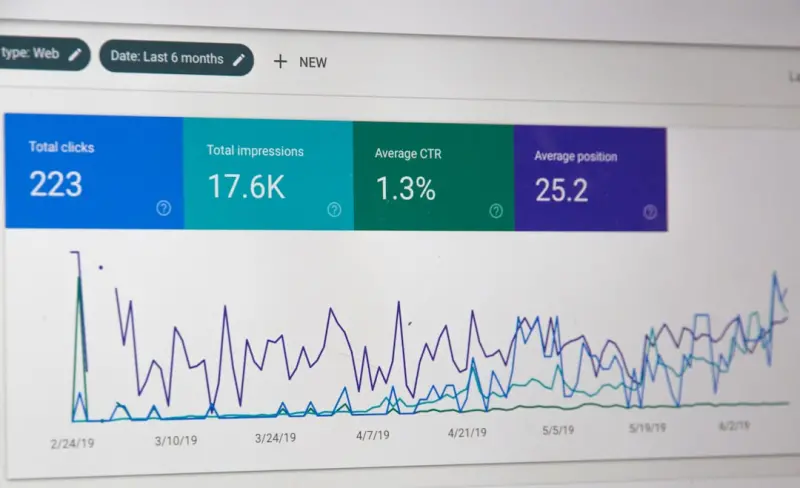
Semantic Search & Knowledge Graphs: The Next SEO Frontier
Discover why semantic search and knowledge graphs are the new SEO battleground and get practical tactics to future‑proof your site in a rapidly evolving searc...Read More

Rich Snippet Strategies That Transform eCommerce Visibility
Rich snippets can dramatically increase click‑through rates and conversions for online stores. This guide explains how to implement FAQ, How‑To, and Review ...Read More
From Launch to Rank: SEO Tactics for SaaS Feature Releases
This guide shows SaaS teams how to prep, launch, and optimize feature pages for search, covering keyword research, structured data, internal linking, and postâ€...Read More
0 Comments
Post Comment
You will need to Login or Register to comment on this post!