
Why Facebook Isn’t Just Social Anymore—it’s a Search Engine
When I first started treating my Facebook Page like a piece of web real estate, I was skeptical. “People come here to scroll memes, not to research,” I told myself. Yet after months of experimenting with headlines, structured data, and community tactics, the numbers told a different story. Facebook’s internal search algorithm has matured into a sophisticated ranking engine that surfaces pages, posts, and even comments based on relevance, authority, and engagement. In short, your Facebook Page can rank not only on Facebook itself but also on Google’s SERPs when it’s indexed correctly.
The Hidden Ranking Signals Inside Facebook
Most marketers chase likes, shares, and comments, but the quality of those interactions matters more than the raw count. Here are the three signal families that drive Facebook SEO:
- Engagement Quality – Reactions, meaningful comments, and watch time on videos signal user satisfaction.
- Content Relevance – Keywords in your post copy, video titles, and even alt text for images help the algorithm match queries.
- Authority Signals – Verified pages, consistent branding, and backlinks from your website boost credibility.
When these signals align, Facebook treats your page like a trusted authority, pushing it higher in both Facebook search results and, when crawled, in Google’s index.
Step‑by‑Step Blueprint to Optimize Your Facebook Page for Search
Below is my battle‑tested workflow, distilled from countless A/B tests and a few sleepless nights staring at insights dashboards.
1. Claim & Verify Your Page
Verification isn’t just a badge of authenticity; it’s a ranking factor. A verified page receives a slight boost in the internal algorithm, and it signals to external crawlers that your page is “official.”
2. Nail Your Page Name & URL
Use your primary brand keyword in the page name—but keep it natural. For example, “Acme Analytics – Cloud Data Platform” blends brand and target phrase. Your vanity URL (facebook.com/yourbrand) should match this naming convention as closely as possible.
3. Craft Keyword‑Rich, Human‑First Copy
Every About section, tagline, and post should answer a question your audience is asking. Conduct keyword research using tools like Voice Search data or Google Trends, then sprinkle those phrases organically. Remember: Google penalizes keyword stuffing, but Facebook’s algorithm rewards relevance.
4. Leverage Structured Data via Facebook’s Graph API
Facebook’s Graph API lets you expose Open Graph tags that search engines love. Populate og:title, og:description, and og:image for every piece of content you publish. When Google crawls the URL, it pulls these tags, which often become the rich snippet displayed in SERPs.
5. Optimize Video Content for Dual Platforms
Video is the single biggest driver of engagement on Facebook. To make videos serve both Facebook and Google:
- Include keyword‑rich titles and descriptions.
- Add closed captions – they’re indexed by both platforms.
- Upload a custom thumbnail with an
og:imagetag.
My favorite trick is to repurpose a 2‑minute explainer video as a Facebook Live event, then download the recording, edit it into a shorter highlight reel, and post it as a regular video. Each format earns separate engagement signals.
6. Harness the Power of Facebook Comments
Comments are a gold mine of user‑generated content (UGC). Encourage thoughtful replies by ending posts with open‑ended questions. When a comment includes a relevant keyword, it reinforces the post’s relevance for that term. Additionally, you can embed top comments in your website using the Graph API, creating a feedback loop that boosts on‑page SEO.
7. Build a Community Hub with Facebook Groups
Groups rank in Google’s “People also ask” boxes when they’re active and niche‑specific. Create a branded group, set it to “Public,” and regularly seed it with high‑value resources—whitepapers, case studies, or how‑to guides. The group’s description and pinned posts should be optimized with target keywords.
8. Cross‑Link Strategically from Your Website
Backlinks are the backbone of SEO, and Facebook pages are no exception. Include a footer link from every major page of your site to your Facebook Page using anchor text that reflects your core keyword. Conversely, embed a “Follow us on Facebook” button on your site with a rel="nofollow" attribute to keep the link equity flowing without risking over‑optimization.
9. Track Performance with Facebook Insights + Google Search Console
Combine the granular metrics from Facebook Insights (reach, engagement, video watch time) with Google Search Console data (impressions, clicks from Facebook URLs). Look for patterns—if a post that performed well on Facebook also drives organic clicks, you’ve found a winning content formula.
10. Iterate with Data‑Driven Experiments
SEO is never a set‑and‑forget discipline. Run A/B tests on post copy, video length, and publishing times. Document results in a shared spreadsheet and refine your approach monthly.
Advanced Tactics for the SEO‑Savvy Marketer
Once you’ve mastered the basics, these advanced strategies can push your Facebook Page from “good” to “dominant.”
Schema Markup for Facebook URLs
While Facebook itself doesn’t let you add schema directly, you can host a JSON‑LD snippet on your own domain that references your Facebook Page. This helps Google understand the relationship between your site and your social profile, potentially earning the “Knowledge Panel” for your brand.
Utilize Facebook’s “Page Suggestions” Algorithm
The “People also liked” sidebar is driven by a similarity engine that factors in shared followers, content overlap, and engagement patterns. By collaborating with complementary brands on co‑hosted Live events or joint posts, you can appear in each other’s suggestion lists, widening your reach organically.
Leverage Facebook’s Edge‑Powered CDN for Faster Media Delivery
Speed matters for both user experience and rankings. Facebook automatically serves your images and videos through its edge network, but you can further optimize by uploading high‑resolution assets that are already compressed for web delivery. Faster load times translate to lower bounce rates—a signal that both Facebook and Google love.
Turn Facebook Live Transcripts into Blog Content
After each Live session, download the auto‑generated transcript, clean it up, and publish it as a long‑form article on your site. Add the original video embed and a call‑to‑action to follow your page. This repurposing strategy creates a virtuous cycle of backlinks, dwell time, and fresh content.
Common Pitfalls and How to Avoid Them
Even seasoned marketers slip into traps that sabotage Facebook SEO. Here are the top three and quick fixes:
- Over‑optimizing with Exact‑Match Keywords – Facebook’s algorithm penalizes spammy language. Keep copy natural and prioritize user intent.
- Neglecting Mobile Optimization – Over 90% of Facebook traffic is mobile. Ensure your videos are vertical or square, and keep captions short and readable on small screens.
- Ignoring Negative Feedback – Dismissed comments or hidden reviews signal low relevance. Respond promptly, address concerns, and turn critics into advocates.
Case Study: Turning a Niche SaaS Page into a Lead‑Gen Engine
One of my clients, a B2B SaaS focused on data visualization, followed the blueprint above. Within three months, their Facebook Page moved from the 3rd page of internal search results to the top spot for “data visualization SaaS.” They achieved this by:
- Rebranding the page name to include the primary keyword.
- Launching a weekly “Live Demo” series, each optimized with Open Graph tags.
- Creating a public group titled “Data Viz Community – Tips & Tricks.”
- Embedding a “Follow us on Facebook” badge on every product page, with keyword‑rich anchor text.
The result? A 45% increase in referral traffic from Facebook to the website, and a 30% uplift in qualified leads generated via the group’s discussion threads. The client also noticed a modest rise in Google rankings for several long‑tail keywords, confirming that Facebook SEO can have ripple effects beyond the platform itself.
Putting It All Together: Your 30‑Day Action Plan
Ready to transform your Facebook presence? Follow this concise plan:
- Day 1‑3: Verify your page, claim a vanity URL, and update the About section with primary keywords.
- Day 4‑7: Set up Open Graph tags via the Graph API for all existing posts and future content.
- Day 8‑14: Publish two video pieces (one Live, one pre‑recorded) optimized with captions and custom thumbnails.
- Day 15‑21: Launch a public Facebook Group, seed it with 5 high‑value resources, and promote it on your website.
- Day 22‑30: Review Insights, pull data into Google Search Console, and iterate on copy, posting times, and engagement tactics.
Stick to the schedule, and you’ll start seeing measurable improvements in both Facebook search visibility and organic traffic from Google within a month.
Final Thoughts: Facebook SEO Is a Long‑Game Play
Just like traditional SEO, Facebook SEO rewards consistency, relevance, and community. The platform’s algorithms are designed to surface the most helpful content for users, and that aligns perfectly with the goals of any growth‑focused marketer. By treating your Facebook Page as a hybrid social‑media hub and SEO asset, you unlock a dual‑channel growth engine that fuels brand awareness, website traffic, and qualified leads.
Remember, the most powerful signal you can send is genuine value. When your audience finds your content useful, they’ll engage, share, and search for you—not just on Facebook, but across the web. Embrace the synergy, experiment boldly, and watch your brand climb the rankings both inside and outside the Facebook ecosystem.

Meghan Morris is not just a freelance writer - she is a force to be reckoned with in the world of writing. When Meghan isn't immersed into her writing, she dedicates her time and energy to her role as an Activation Coordinator. Apart from her writing and career, Meghan is also a passionate traveler and a self-proclaimed movie lover.
Related Posts
Unlocking Facebook Marketplace: The SEO Blueprint No One Talks About
Learn how to treat Facebook Marketplace listings like SEO‑optimized landing pages, from keyword re... Read More
Rank Your Facebook Business Page on Google
A practical guide showing marketers how to make their Facebook Business Page rank higher in Google, ... Read More
Unlock the Hidden Power of Facebook SEO: A Strategic Guide for Marketers
Learn how to turn Facebook into an SEO engine with proven tactics for pages, groups, video, and AI-d... Read More
Top Posts
Micro‑Intent Clustering: The Next Evolution in SEO Strategy
Learn to map search queries into micro‑intent clusters, align content, and future‑proof your SEO for AI‑driven search experiences....Read More
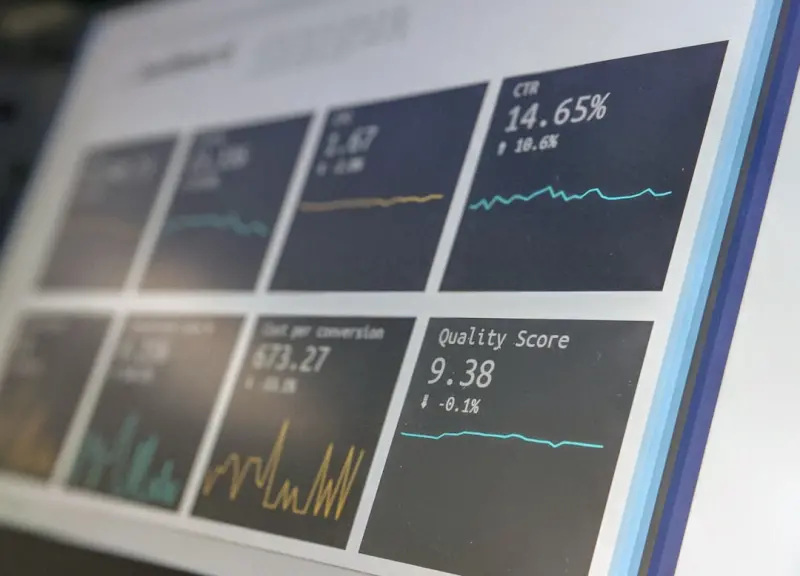
Dynamic Pricing Powered by Real‑Time Data: A Game‑Changer for eCommerce
Learn why static prices limit growth and how real‑time dynamic pricing, backed by data and AI, can boost margins, improve inventory flow, and keep shoppers lo...Read More
Mastering On-Page SEO for Visual Search: A Practical Guide
Discover actionable strategies to optimize images for AI‑driven visual search, from naming conventions and alt text to structured data and sitemaps. Elevate y...Read More

Turning SaaS Sites into Mobile Magnets with PWAs, Schema, and ASO
A deep dive into progressive web apps, mobile‑focused structured data, and the synergy between app store optimization and SEO, showing SaaS teams how to captu...Read More
0 Comments
Post Comment
You will need to Login or Register to comment on this post!