

Why Product Collections Matter More Than Individual SKUs
When most eCommerce teams think about SEO, they zero in on optimizing single product pages, assuming each SKU is a standalone ranking opportunity. In practice, that tunnel‑vision approach leaves a massive amount of contextual relevance untapped. Grouping related items into purposeful collections—whether they’re “Summer Beach Essentials,” “Home Office Upgrade Kits,” or “Gift‑Ready Bundles”—creates a thematic hub that search engines love because it signals clear intent and depth. These collection pages act like mini‑category pages that can rank for broader, long‑tail queries that individual product pages would never capture on their own. Moreover, collections naturally generate internal linking pathways, spreading link equity throughout the catalog and improving crawl efficiency. By treating collections as SEO assets rather than mere navigation aids, you lay the groundwork for a layered content architecture that supports both user discovery and algorithmic relevance.
Crafting SEO‑Friendly Collection Pages
The first step in turning a collection into a ranking magnet is to give it a distinct, keyword‑rich identity. Conduct keyword research not just for product names, but for the problems your bundle solves—think “best starter kit for new parents” or “affordable home gym set.” Embed these phrases in the page title, meta description, and H1, but keep the copy conversational to meet user expectations. Next, write a compelling introduction that explains the collection’s purpose, highlighting the value proposition and how the items complement each other. This narrative should be at least 300 words, providing enough context for crawlers to understand the page’s relevance. Sprinkle in unique selling points and brief bullet lists that outline key features, making the content skimmable and rich with keyword variations. Finally, add high‑quality images with descriptive alt text and consider short video overviews that can be indexed for video search, further expanding visibility.
Leveraging Internal Linking to Amplify Authority
One of the most underutilized levers in eCommerce SEO is strategic internal linking. Each collection page should serve as a hub that links out to its constituent product pages, but the reverse is equally vital: every product page must link back to its parent collection. This two‑way flow not only distributes PageRank but also helps search engines map the relationship between related items. To maximize impact, anchor text should be descriptive yet concise—avoid generic “click here” links. For example, a link from a yoga mat product page might read complete yoga starter kit to point to the collection. Additionally, incorporate contextual links to related collections, creating a web of relevance that mimics a natural recommendation engine. Over time, this internal network can boost the authority of newer or lower‑traffic collections, helping them break into SERPs faster.
Boosting Visibility with Structured Data
Search engines thrive on explicit signals, and structured data is the most direct way to communicate the composition of a collection. Implementing structured data strategies such as ProductGroup schema lets you define a set of related items, their individual SKUs, prices, and availability—all on a single page. When done correctly, Google can render rich results that showcase the entire bundle, increasing click‑through rates from the SERP. Remember to include aggregate rating data if you have reviews for the collection as a whole, and ensure that every product within the group also carries its own structured markup. Consistency is key; mismatched or incomplete data can lead to manual actions or suppressed snippets. Test your implementation with Google’s Rich Results Test tool before going live, and monitor for any warnings that could affect indexation.
Optimizing for Seasonal and Trending Searches
Collections are uniquely positioned to capture seasonal spikes and trending queries because they can be quickly assembled or re‑ordered to match consumer demand. During holiday periods, for instance, a “Holiday Gift Bundle” collection can target high‑volume phrases like “gift ideas for mom” or “best holiday tech gifts.” The key is agility: maintain a modular product catalog that allows you to swap items in and out without rebuilding the entire page. Use a content calendar to plan collection launches around major events, and pre‑emptively optimize titles and meta tags for upcoming trends. When a collection gains traction, consider promoting it through zero-click search tactics—like featuring FAQs or quick answers that appear directly in the SERP, drawing users straight to your bundle without a click. This approach not only drives traffic but also positions your brand as a timely solution provider.
Measuring Success: KPIs That Matter
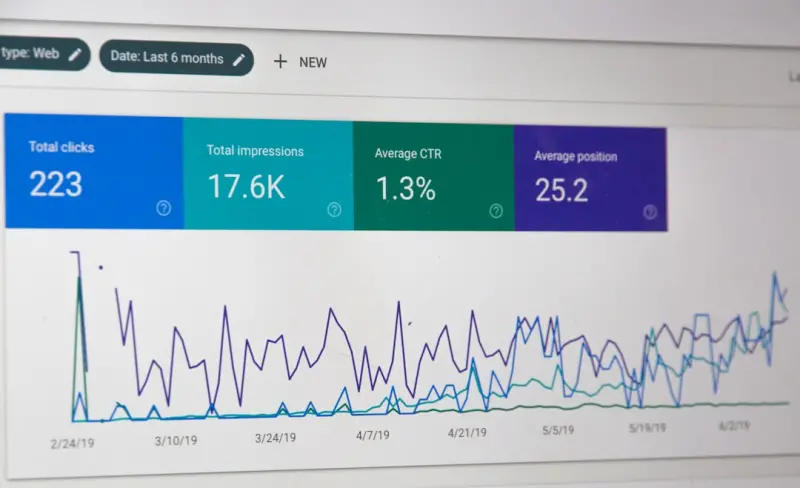
To justify the effort behind collection SEO, you need a clear set of performance metrics. Organic traffic to collection pages is the primary indicator, but drill down into engagement signals such as average session duration, pages per session, and bounce rate to gauge relevance. Conversion rate is the ultimate north star—track how many visitors who land on a collection proceed to purchase any item within the bundle. Additionally, monitor keyword rankings for both the collection’s primary phrase and its secondary, long‑tail variations. Tools like Google Search Console can reveal impressions and click‑through rates, helping you fine‑tune titles and meta descriptions. Finally, assess internal link equity flow using site‑wide link analysis tools; a healthy distribution suggests your hub structure is working as intended. Regularly reviewing these KPIs will inform iterative improvements and keep your collections competitive in the ever‑shifting SERP landscape.
Scaling Collection SEO Across Large Catalogs
For merchants with thousands of SKUs, manually creating and optimizing each collection is impractical. Instead, adopt a data‑driven automation workflow that pulls product attributes from your PIM or ERP system to generate collection pages programmatically. Templates should include placeholders for dynamic elements such as the collection title, introductory copy, and curated product listings. Pair this with a rule‑based keyword mapping system that assigns relevant search terms based on attribute combinations—like “organic cotton baby clothes set” for a bundle of eco‑friendly infant apparel. Automation also extends to structured data generation; use scripts to embed accurate ProductGroup markup for each collection at scale. While automation accelerates deployment, retain a human editorial layer to review high‑value collections, ensuring the tone remains brand‑consistent and the copy resonates with shoppers. This hybrid approach balances efficiency with the nuanced storytelling that drives conversions.
Integrating User‑Generated Content for Authenticity
Authentic social proof can dramatically enhance the credibility of a collection page. Encourage customers who purchase a bundle to leave reviews that reference the entire set, not just individual items. Aggregate these testimonials in a dedicated “What Our Customers Say” section, using schema markup for Review to boost rich snippet eligibility. Additionally, embed user‑generated photos or videos that showcase the collection in real‑world use—this visual proof can improve dwell time and signal relevance to search engines. When feasible, curate community‑submitted style guides or usage tips that demonstrate creative ways to combine the products, turning the collection into a resource hub. This user‑focused content not only strengthens SEO signals but also builds trust, nudging hesitant shoppers toward purchase.
Future‑Proofing Collections with AI‑Assisted Insights
Artificial intelligence is reshaping how merchants discover hidden demand patterns and optimize content at scale. Leverage AI‑driven analytics platforms to identify emerging search intents that align with potential bundle concepts—such as “home office ergonomics kit” surfacing from increased remote work queries. Once identified, AI can generate draft copy that incorporates semantic variations, ensuring the collection page speaks the language of both users and algorithms. However, treat AI output as a starting point; human editors should refine the tone, inject brand personality, and verify factual accuracy. Moreover, AI can assist in monitoring performance, alerting you to ranking fluctuations or content gaps before they impact traffic. By embedding AI into your collection workflow, you create a feedback loop that continuously refines SEO relevance, keeping your bundles at the forefront of search visibility.
Closing Thoughts: Collections as an Evergreen SEO Engine
In the crowded eCommerce arena, product collections offer a sustainable path to organic growth that transcends the limitations of isolated product pages. By deliberately crafting keyword‑rich titles, weaving compelling narratives, and reinforcing each page with structured data and strategic internal links, you transform bundles into authoritative hubs that attract both search engines and shoppers. Seasonal agility, data‑driven automation, and the infusion of authentic user content further amplify their impact, while AI tools ensure you stay ahead of evolving search trends. Treat each collection as a living SEO asset—regularly refreshed, measured, and optimized—and watch it become a reliable source of traffic, conversions, and brand loyalty for years to come.

Steph Sanderson is a Toronto-based freelance writer and content creator with a clear passion: crafting compelling articles. With a dedication to clear, engaging prose and a knack for storytelling, Steph brings a wealth of experience to every project.
Related Posts

Beyond the Cart: A Fresh eCommerce SEO Blueprint for Modern Shoppers
This post outlines a modern eCommerce SEO playbook, covering intent‑first keyword mapping, product... Read More
Visual Search SEO: Turning Product Images into Traffic Gold
Discover the power of visual search for eCommerce, from optimizing image assets and structured data ... Read More

How User‑Generated Content Supercharges Your eCommerce SEO
User‑generated content isn’t just social proof; it’s a powerful SEO catalyst. Learn how review... Read More
Top Posts

Passage Indexing Demystified: Granular Ranking Strategies for SaaS
Passage indexing lets a single SaaS guide rank for dozens of specific queries. This post explains the concept, offers a step‑by‑step playbook, and shows how...Read More

Why User‑Generated Content Is the Secret SEO Weapon SaaS Companies Are Overlooking
User‑generated content—from reviews to community forums—offers SaaS companies a powerful, authentic boost in SEO. Learn why it matters, how to implement i...Read More

Mastering Google’s Helpful Content Update: A Data‑Driven Playbook
Discover a step‑by‑step, data‑focused approach to mastering Google’s Helpful Content update, from audits to AI‑enhanced writing, and future‑proof yo...Read More

Unlocking Facebook Groups for Explosive SEO Authority
Learn how Facebook Groups can become an SEO powerhouse by leveraging community posts, live video, Marketplace listings, and Pixel data to boost rankings and gen...Read More
0 Comments
Post Comment
You will need to Login or Register to comment on this post!