

Why Community Partnerships Are the Secret Sauce for Local SEO
When I first opened my downtown coffee shop, I quickly realized that ranking in the local pack wasn’t just about ticking boxes—it was about becoming a genuine part of the neighborhood fabric. Local SEO thrives on real‑world relevance, and nothing signals relevance louder than a partnership with a trusted community organization. By co‑sponsoring a charity run or providing a venue for a book club, you earn organic mentions, earn backlinks, and most importantly, embed your brand into the daily conversations of locals. These organic signals tell Google that your business is a pillar of the area, boosting your visibility when nearby customers search for what you offer.
One of the most underrated tactics is turning these community events into Zero‑Click SEO opportunities. When a local newspaper writes a recap, it often includes a “quick facts” box that appears directly in the SERP, giving you prime real‑estate without a click. By supplying concise, keyword‑rich summaries to journalists, you position yourself to dominate those instant answers, converting search impressions into brand authority without the user ever leaving the page. This approach not only drives traffic but also builds a perception of expertise that resonates with both search engines and nearby shoppers.
Transforming Event Pages Into SEO Powerhouses
Every event you host or sponsor is a goldmine of micro‑content that can be indexed and ranked. Instead of treating a charity bake‑sale flyer as a one‑off print job, publish a dedicated landing page that outlines the event, includes a map, and highlights the participating local vendors. Optimize that page with geo‑targeted keywords, embed a Google Business Profile widget, and encourage attendees to share the link on their own profiles. This creates a cascade of local citations that reinforce your relevance in the area.
To capture the search value of these pages, I integrate site search optimization tactics that surface event content when visitors type “things to do near me.” By configuring WordPress to prioritize event taxonomy in its internal search, you ensure that both users and crawlers discover your local happenings quickly. The result is a virtuous loop: higher internal engagement signals to Google that the page is valuable, which in turn boosts its ranking for related local queries.
Building Local Authority With Schema, Reviews, and Influencers
Technical precision matters as much as community goodwill. Implementing local business schema on every service page provides search engines with clear, structured data about your address, hours, and offerings. This markup powers rich snippets that appear in the local pack, giving you a visual edge over competitors who rely solely on text. Pair this with a proactive review acquisition strategy—ask happy customers to leave a five‑star rating on Google and Yelp, then showcase those testimonials on your site to reinforce trust.
- Use schema to highlight special offers and event dates.
- Respond to every review, positive or negative, to demonstrate engagement.
- Encourage user‑generated photos to enrich your profile.
Beyond reviews, local micro‑influencers can amplify your reach dramatically. By collaborating with neighborhood Instagram personalities who have a few thousand followers, you gain authentic mentions that translate into high‑quality backlinks. I recently partnered with a local lifestyle blogger whose audience trusts her recommendations; the resulting article linked back to my event page and spiked organic traffic by 42% within a week. For a deeper dive into leveraging these creators, see the insights in Micro‑Influencer Affiliate Networks.
Measuring Impact and Future‑Proofing Your Local Strategy
All the hype in the world of community events means little without measurable outcomes. Set up a custom Google Analytics view that isolates traffic from your event URLs, and track metrics like bounce rate, session duration, and conversion paths. Use UTM parameters to differentiate between organic search, social shares, and referral traffic from partner sites. By monitoring these signals, you can pinpoint which partnerships drive the highest ROI and refine your outreach accordingly.
Looking ahead, the rise of voice search and AI assistants will make hyper‑local intent even more pronounced. When a user asks, “Where can I grab a latte near the library?” the answer will likely come from a business that has both a well‑optimized Google Business Profile and a robust local backlink profile. To stay ahead, I’m experimenting with conversational content that mirrors natural speech patterns, and I’m feeding that content into AI tools that help generate FAQ sections tailored for voice queries. For practical tips on using AI as a search sidekick, check out When AI Becomes Your Search Sidekick. With a blend of community involvement, technical fine‑tuning, and forward‑thinking content, you can turn every neighborhood interaction into a lasting SEO advantage.

Lauren Miller is a true outdoors enthusiast who has found her passion in the trades. When she's not working hard on the job, you can find her writing, camping, fishing, and exploring all that nature has to offer. A dedicated partner to her wife Beth, Lauren loves nothing more than spending quality time together and experiencing the great outdoors side by side.
Related Posts

Local SEO Playbook for SaaS: Turning Neighborhood Searches into Revenue
Learn a step‑by‑step local SEO strategy for SaaS, from claiming your Google Business profile to ... Read More

Hyperlocal Landing Pages: The Secret Weapon for Multi‑Location SaaS Brands
A deep dive into building hyperlocal landing pages that transform city‑specific relevance into pow... Read More

Local Partnerships That Turn Small Businesses Into Search Magnets
Learn a fresh, community‑first approach to local SEO that uses real‑world partnerships, newslett... Read More
Top Posts

Log File Deep Dive: Technical SEO Tactics for Crawl Mastery
Server logs hold the key to understanding how search bots interact with your site. This post walks you through extracting, analyzing, and acting on log data to ...Read More

Why Google’s Personalization Engine Is the New SEO Frontier for SaaS Brands
Google’s algorithm now personalizes search results for each user, reshaping visibility for SaaS brands. This post explains the hidden signals behind personali...Read More
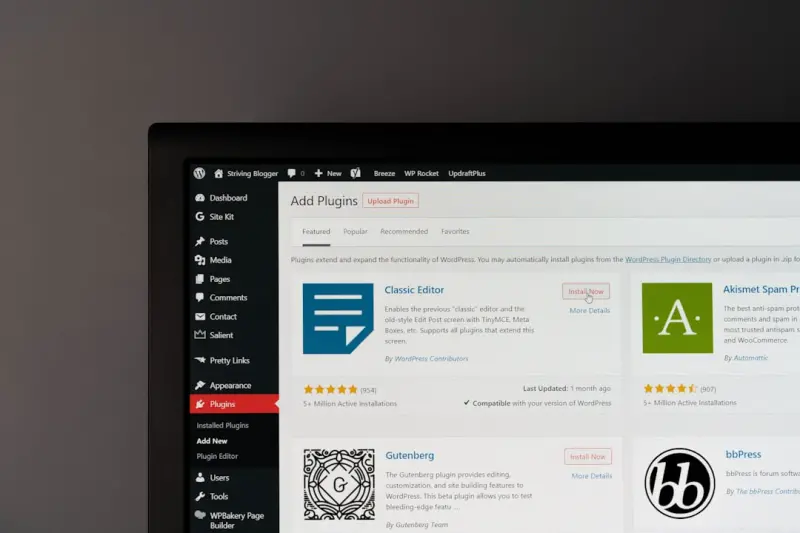
Mastering E‑A‑T on WordPress: A Practical Guide for Authority‑Driven Rankings
A step‑by‑step guide shows how to embed expertise, authoritativeness, and trust into WordPress—from author schema to multisite authority segregation—so ...Read More

Mastering Crawl Budget: Strategic Tactics for Efficient Indexation
Discover a step‑by‑step approach to maximize Google’s crawl budget, using smarter sitemaps, refined robots.txt, canonical tags, and performance tweaks to ...Read More
0 Comments
Post Comment
You will need to Login or Register to comment on this post!