

When I first stepped into the world of SaaS marketing, I quickly learned that “on‑page SEO” isn’t just a checklist—it’s the quiet engine that powers every piece of content, product page, and signup form you publish. It’s where the rubber meets the road for user intent, technical precision, and brand voice. If you’ve ever felt that your landing pages look great but still whisper “invisible” to Google, you’re not alone. In this post, I’m pulling back the curtain on the on‑page tactics that actually move the needle for SaaS businesses, and I’m doing it with the pragmatic, data‑first lens you’ve come to expect from my work.
Why On‑Page SEO Matters More Than Ever for SaaS
Unlike e‑commerce or media sites, SaaS businesses sell outcomes—efficiency, security, growth—rather than tangible products. That means searchers often start their journey with a problem statement (“how to reduce churn”) rather than a product name. Your on‑page elements are the first opportunity to align that problem with your solution, and to signal to search engines that you have the expertise, authority, and trustworthiness (E‑A‑T) to help.
Two forces are driving this shift:
- Search intent granularity: Google’s algorithms are getting better at distinguishing between “research,” “comparison,” and “purchase” intents. Your page must speak the same language as the user’s query at every turn.
- Competitive content saturation: SaaS markets are crowded. A well‑optimized page can be the differentiator that lifts you from the second page of results to the featured snippet.
In short, on‑page SEO is the bridge between the user’s problem and your product’s promise. Let’s build that bridge.
1. Map Every Page to a Primary Intent
Before you write a single headline, ask yourself: What does the visitor hope to accomplish? Is it to learn (informational), compare (commercial), or sign up (transactional)? Create an intent matrix that pairs each URL with a single, dominant intent. This prevents keyword cannibalization and ensures you’re delivering the right depth of content.
Tip: Use a spreadsheet to log the target keyword, search volume, and intent type. When you see multiple pages targeting the same intent, consolidate or differentiate them with unique angles.
2. Craft Headline Hierarchies That Echo Search Queries
The H1 is your headline’s home base. It should contain the primary keyword (or a close semantic variant) and answer the core question. Follow it with H2 sub‑headings that mirror secondary query variations.
Example:
- H1: How to Reduce SaaS Customer Churn in 30 Days
- H2: Identify Early Warning Signs of Churn
- H2: Implement Automated Retention Workflows
- H2: Measure Success with Cohort Analysis
This hierarchy tells Google the logical flow of the page and helps readers skim for the exact answer they need.
3. Optimize the First 100 Words for Relevancy and Readability
Search engines often crawl the opening paragraph to gauge relevance. Make sure you:
- Include the primary keyword within the first 50 words.
- State the problem and promise a solution.
- Keep sentences short—aim for a reading level around 8th grade.
For SaaS copy, this is also a prime spot to weave in a subtle value proposition (“Our AI‑driven platform reduces churn by 20%”). The result is a page that satisfies both the crawler and the human visitor.
4. Leverage Semantic Clusters, Not Just Keywords
Google’s LLMs understand context better than ever. Rather than stuffing a page with a single keyword, build a semantic cluster around your primary topic. Use related terms, synonyms, and long‑tail variations naturally throughout the copy.
Tools like Ahrefs’ Keywords Explorer or Surfer SEO can surface these related terms. For a page about “SaaS onboarding automation,” you might also sprinkle in “customer activation,” “time‑to‑value,” and “workflow triggers.” This signals depth and helps capture a broader range of queries.
5. Internal Linking: The Unsung Hero of Authority Distribution
Every SaaS website has a handful of cornerstone pages—pricing, features, case studies, blog posts. Use internal links to funnel link equity toward high‑value pages that you want to rank.
Best practices:
- Link from at least three contextual pages to each cornerstone page.
- Use descriptive anchor text that includes a keyword phrase, but avoid exact‑match over‑optimization.
- Keep your link depth shallow—ideally no more than three clicks from the homepage.
When you build these pathways, you’re essentially telling Google which pages matter most, and you’re helping visitors discover related content that moves them further down the funnel.
6. Structured Data: Go Beyond the Basics
While we’ve covered schema in a previous post, it’s worth revisiting a nuanced angle: using structured data to enhance SaaS-specific content. For instance, the Product schema can include softwareVersion and offers fields that surface pricing and trial details directly in SERPs. The FAQPage schema can turn a “How does our free trial work?” section into a featured snippet, driving clicks without a paid ad.
Implementing these types of markup not only boosts visibility but also aligns with the intent‑first approach we discussed earlier.
7. Image Optimization for Speed and Relevancy
SaaS sites often rely on screenshots, UI mockups, and infographics. Each image is an SEO opportunity:
- File names: Use descriptive names like
saas-dashboard-churn-analytics.pngrather than genericIMG_1234.png. - Alt text: Write concise, keyword‑rich descriptions (“Dashboard showing churn reduction metrics after implementing automated retention workflow”).
- Compression: Aim for under 100 KB per image without sacrificing clarity. Tools like ImageOptim or TinyPNG work wonders.
Fast, relevant images improve Core Web Vitals and keep users on the page longer—both signals that Google rewards.
8. Mobile‑First Content Design
Even though Google has rolled out mobile‑first indexing, many SaaS marketers still design for desktop first and then shrink. Flip the script: start with the mobile layout.
Key considerations:
- Prioritize the headline, primary CTA, and key benefit points above the fold.
- Use accordion or tabbed sections for long‑form content to keep scroll length manageable.
- Ensure touch targets (buttons, links) are at least 48 × 48 px for accessibility.
When mobile users can instantly grasp the value proposition, bounce rates drop, and dwell time rises—two metrics that feed back into your rankings.
9. Optimize Meta Tags for Click‑Through Rate
The meta title and description are your SERP ad copy. A high‑CTR title often includes:
- A primary keyword.
- A compelling benefit (“Boost Retention by 20%”).
- A power word (“Free,” “Proven”).
The description should expand on the benefit, include a secondary keyword, and end with a clear call to action (“Start your 14‑day free trial today”). Keep the title under 60 characters and the description under 160 characters to avoid truncation.
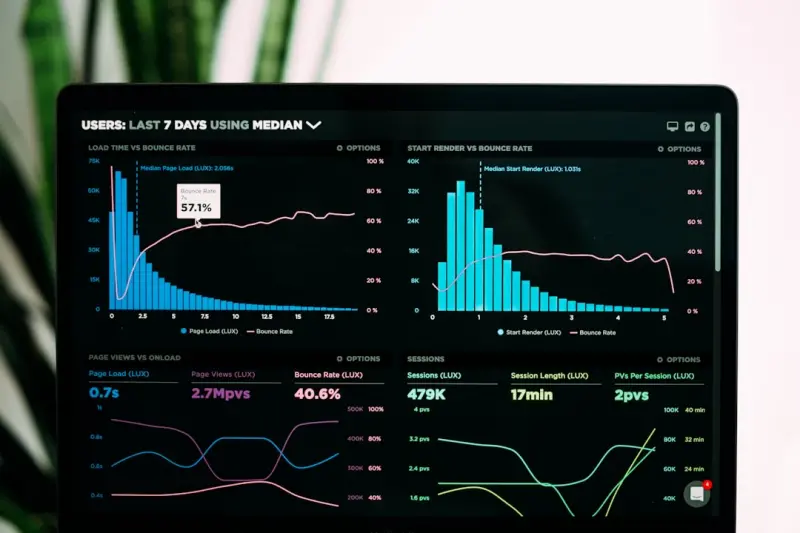
10. Continuous Performance Audits (The “On‑Page SEO Dashboard”)
On‑page SEO isn’t a one‑and‑done task. Set up a recurring audit using tools like Screaming Frog, Sitebulb, or Google Search Console’s URL Inspection API. Track these metrics:
- Core Web Vitals (LCP, FID, CLS).
- Click‑through rates from SERPs.
- Keyword rankings for primary and secondary terms.
- Internal link equity flow (using a link‑graph visualization).
When you notice a dip—say, an LCP spike on a product page—jump in with a quick fix (image compression, server response time improvement) and monitor the lift. This feedback loop keeps your on‑page health in peak condition.
11. Harness Fresh Signals Without Overhauling the Page
Google values freshness, but you don’t need to rewrite an entire article to benefit. Simple updates—adding a new statistic, inserting a recent case study, or updating a CTA—signal that the page is alive. Explore how fresh signals are reshaping ranking factors and apply them sparingly to high‑value pages.
12. The Human Element: Author Bios and Trust Signals
SaaS buyers often look for expertise. An author bio that includes credentials (e.g., “Product Marketing Manager with 8 years in B2B SaaS”) adds E‑A‑T. Pair bios with a photo and links to LinkedIn or a personal page. Even better, attach a short video intro—Google loves multimedia and it boosts dwell time.
13. FAQ Sections as Intent Capture Zones
FAQs are gold mines for long‑tail queries. Identify the top five questions from your internal search data or support tickets, and answer them concisely on the page. Use question and answer headings (h3 or h4) and consider the FAQPage schema for snippet eligibility.
14. Multilingual SaaS: Hreflang and Content Localization
If you serve a global audience, ensure each language version has proper hreflang tags. Avoid duplicate content penalties by translating—not merely copying—copy. Localize not just the language but also cultural references, pricing formats, and compliance statements (GDPR vs. CCPA). This boosts relevance and reduces bounce in non‑English markets.
15. A/B Test Your On‑Page Elements
Even the best‑practice recommendations need validation. Run A/B tests on headline variations, CTA button colors, or the placement of trust badges. Use Google Optimize or a SaaS‑friendly tool like Optimizely. Track the impact on both conversion rate and SEO metrics (e.g., time on page, bounce rate) to find the sweet spot where user experience and search performance converge.
Wrapping Up: The On‑Page SEO Mindset for SaaS
On‑page SEO is less about ticking boxes and more about crafting a cohesive, intent‑aligned experience that satisfies both search engines and, more importantly, the human prospect. By mapping intent, building semantic depth, and continually polishing performance signals, you turn each page into a conversion‑ready asset.
Remember: your SaaS product solves problems. Your pages should solve the searcher's problems first, then guide them to your solution. When you adopt that perspective, the technical tweaks become natural extensions of a user‑centric strategy.
Now go ahead—audit that landing page, sprinkle in a few fresh signals, and watch the rankings (and the pipeline) rise.

Tracie Higgins, a professional content writer, produces captivating content. In her leisure time, away from work and travel, she loves to spend time with her grandson.
Related Posts

Why On‑Page SEO Needs a User‑First Refresh (And How to Do It)
A user‑first on‑page SEO overhaul transforms SaaS pages from keyword‑dense checklists into eng... Read More

Turning On‑Page SEO Into a Conversion Funnel for SaaS Growth
A fresh take on on‑page SEO shows how mapping content to funnel stages, using intent‑driven keyw... Read More

The Secret Sauce of On‑Page SEO: Continuous Content Refresh for SaaS Growth
Learn a disciplined, data‑driven framework called Continuous Content Refresh (CCR) that keeps SaaS... Read More
Top Posts

Why Intent-First SEO Is the Future of Google Rankings
Explore the rise of intent-first SEO, its impact on rankings, and practical steps marketers can take today to align content with user intent and boost performan...Read More
Structured Data & Interactive UX: The New Engine Behind SaaS On‑Page SEO
Discover a practical roadmap for SaaS marketers to leverage structured data, interactive accordions, and smart internal linking, turning feature pages into rich...Read More

Why Google’s Helpful Content Update is a Game‑Changer for SaaS Knowledge Bases
The Helpful Content Update rewards genuine, user‑focused help articles. Discover how SaaS companies can audit, revamp, and optimize their knowledge bases to c...Read More

Snippet‑Ready Micro‑Content: Crafting Every Word for Featured Snippets and SERP Real Estate
Discover a fresh on‑page SEO approach that transforms everyday copy into featured snippet gold, using concise answers, structured data, and strategic content ...Read More
0 Comments
Post Comment
You will need to Login or Register to comment on this post!