

Technical SEO in a Headless World: How Decoupled Architectures Impact Rankings
When I first heard the term “headless” at a SaaS meetup, I imagined a literal severed head and a frantic developer trying to stitch it back together. Spoiler: that’s not what it looks like in production. In reality, a headless CMS separates content creation from delivery, allowing you to serve the same data through APIs to any front‑end—React, Vue, native mobile, you name it. The flexibility is intoxicating, but it also introduces a new set of technical SEO challenges that most traditional SEO playbooks simply ignore.
Why Headless Isn’t Just a Front‑End Fancy
Most of us grew up with the comforting notion that “if you build it, Google will come.” That belief is rooted in monolithic platforms where the CMS, the server, and the rendering engine live under one roof. In a headless setup, however, the rendering layer is often a JavaScript‑heavy single‑page application (SPA) that pulls JSON from an API at runtime. This shift has three immediate implications for SEO:
- Indexability risk: Search bots may struggle to see content that only materializes after client‑side JavaScript execution.
- Performance volatility: The same API call that takes 120 ms in a dev environment might balloon to 2 seconds in the wild if your edge network isn’t optimized.
- Signal dilution: Structured data, canonical tags, and even hreflang attributes now have to be injected server‑side or via pre‑rendering, otherwise they disappear into the JavaScript abyss.
In short, headless architecture forces us to rethink the fundamentals of technical SEO. The good news? It also opens doors to new optimization tactics that can give your SaaS site a competitive edge.
Pre‑Rendering vs. Server‑Side Rendering: Finding the Sweet Spot
When you build a SPA, you have three primary rendering strategies:
- Client‑side rendering (CSR): The browser does all the heavy lifting. Fast for users with solid connections, but bots often see an empty shell.
- Server‑side rendering (SSR): The server sends a fully rendered HTML page for the initial request, then hands off to the client for interactivity.
- Static pre‑rendering: Build tools like
next exportorgatsby buildgenerate static HTML snapshots at build time.
Each method has SEO trade‑offs. CSR is the worst offender for crawlability. SSR dramatically improves indexability, but you must ensure the server can handle the extra rendering load without hurting response times. Pre‑rendering offers lightning‑fast first paints and is inherently crawl‑friendly, yet it can become stale if you rely on real‑time personalization.
My recommendation? Start with SSR for your core marketing pages (home, pricing, feature overviews) and use pre‑rendering for high‑traffic blog posts. Reserve CSR for highly interactive dashboards that only logged‑in users can access.
Leveraging Edge Networks for SEO Gains
One of the most underrated advantages of a headless stack is the ability to push content to an edge CDN (Content Delivery Network) with a single API call. By distributing HTML snapshots to edge nodes, you can serve the same SEO‑friendly markup to both users and bots from the location closest to them.
Here’s a quick checklist for edge‑optimizing a headless site:
- Cache‑control headers: Set
max‑ageandstale‑while‑revalidateto keep content fresh without a full rebuild. - Edge‑side includes (ESI): Break out navigation, footer, and schema markup into separate fragments that can be updated independently.
- Dynamic rendering fallback: If a bot requests a page and your edge cache misses, trigger a serverless function that renders the page on‑the‑fly and populates the cache for the next request.
When implemented correctly, edge delivery can shave off precious milliseconds, directly boosting Core Web Vitals—metrics that Google now treats as ranking signals.
Log File Analysis: The Secret Weapon for Headless SEO
In monolithic sites, you might rely on crawl stats from Google Search Console to gauge indexing health. In a headless environment, those numbers can be misleading because Google may be hitting your API endpoints rather than your HTML pages. That’s where log file analysis steps in.
By pulling raw server logs from your API gateway, you can answer questions like:
- Which URLs are being crawled and how often?
- Are bots receiving HTTP 200 responses, or are they hitting 404s due to mismatched routing?
- Is the response time for API calls within Google’s crawl budget expectations?
Tools such as Screaming Frog Log File Analyzer or the open‑source logalyzer can parse billions of lines to surface crawl inefficiencies. A common finding is that bots are repeatedly requesting JSON endpoints that return 401 Unauthorized for unauthenticated content—essentially wasting crawl budget.
Fixes are simple: expose a lightweight “public” version of the JSON payload for crawlers, or use robots.txt to disallow those endpoints altogether. The payoff is a healthier crawl budget and faster indexation of your most important pages.
Structured Data in a Decoupled Architecture
Structured data is the bridge that tells search engines what your page is about. In a headless system, you can’t rely on plugins that automatically inject JSON‑LD into the DOM. Instead, you must generate schema markup as part of the API response or inject it during the server‑side rendering phase.
A pragmatic approach is to store schema as a first‑class citizen in your CMS. For example, when an editor creates a “Feature” entry, they also fill out fields for SoftwareApplication schema. The API then returns a structuredData object, which your SSR layer plucks and renders inside a <script type="application/ld+json"> tag.
Don’t overlook Rich Snippet Strategies That Transform eCommerce Visibility for ideas on how to leverage schema beyond basic product markup. Rich snippets can dramatically improve click‑through rates, especially for SaaS tools that compete on feature sets and pricing tiers.
Canonicalization and Duplicate Content in API‑Driven Sites
Because APIs often return the same data under multiple URLs (e.g., /api/v1/products/123 vs. /api/v2/products/123), duplicate content can creep in unnoticed. The solution is two‑fold:
- Implement a
rel="canonical"header on the HTML response, pointing to the preferred URL. - Set up redirects at the edge level to funnel old API versions to the canonical page.
If you skip this step, you’ll see dilution of link equity and potential manual actions from Google for “duplicate content” violations.
Security Headers and SEO: A Balancing Act
Headless sites often expose APIs that need to be protected with authentication tokens, rate limiting, and strict CORS policies. While these are essential for security, they can unintentionally block search bots.
Make sure to:
- Whitelist Googlebot’s IP ranges on your API firewall.
- Serve the HTML rendering endpoint over HTTPS with a valid
Content‑Security‑Policythat still allowsscript-srcfor your own domain. - Use the
X-Robots-Tagheader to explicitly allow indexing on the rendering endpoint.
Neglecting these steps can cause “blocked by robots.txt” errors in Search Console, eroding your site’s visibility.
Testing & Validation: The New SEO QA Checklist
When you move away from a traditional CMS, the old “view source” check isn’t enough. Here’s a quick QA list to run after any deployment:
- Use
curl -Ito confirm that the server returns200and correctCache‑Controlheaders for the HTML endpoint. - Run Crawl Budget Mastery techniques to verify that Googlebot isn’t hitting throttling limits.
- Validate JSON‑LD with Google’s Rich Results Test, ensuring no syntax errors.
- Check Core Web Vitals in PageSpeed Insights, focusing on LCP, FID, and CLS after edge caching is enabled.
- Inspect the
X‑Robots‑Tagheader for both HTML and API responses.
Automate as much of this as possible. A CI pipeline that fails a build when structuredData is missing is worth its weight in ranking juice.
Future‑Proofing Your Headless SEO Strategy
The SEO landscape evolves faster than most development cycles. To stay ahead, adopt a mindset of continuous observation:
- Monitor schema updates: Google adds new types regularly. Keep your CMS schema definitions current.
- Watch emerging protocols: HTTP/3 (QUIC) promises lower latency, but you’ll need to confirm that your edge provider supports it without breaking search engine access.
- Embrace privacy‑first indexing: With the world moving toward cookieless experiences, see Privacy‑First SEO for guidance on preserving rankings without relying on third‑party cookies.
By treating SEO as an integral layer of your headless stack—rather than an after‑thought—you’ll unlock the full potential of decoupled architecture while keeping Google happy.
Takeaway Checklist
- Choose SSR for core pages; pre‑render high‑traffic blogs.
- Deploy edge caching with proper cache‑control and ESI.
- Analyze server logs to clean up crawl waste.
- Generate schema at the API level and inject it server‑side.
- Implement canonical tags and redirects for duplicate API URLs.
- Configure security headers that don’t block bots.
- Automate QA checks for indexability, performance, and structured data.
- Stay current with protocol upgrades and privacy‑centric indexing.
Headless is not a SEO nightmare; it’s a fresh canvas. With the right technical foundations, you can paint a site that’s both lightning‑fast for users and crystal‑clear for crawlers. The future of SaaS visibility belongs to those who can blend architectural agility with disciplined SEO rigor.

Dale Peterson is a freelance writer with a passion for technology, travel, law and personal finance. With 10 years of experience crafting compelling and informative content, he's dedicated to delivering high-quality writing for Blogging Fusion that engages audiences and achieves specific goals.
Related Posts
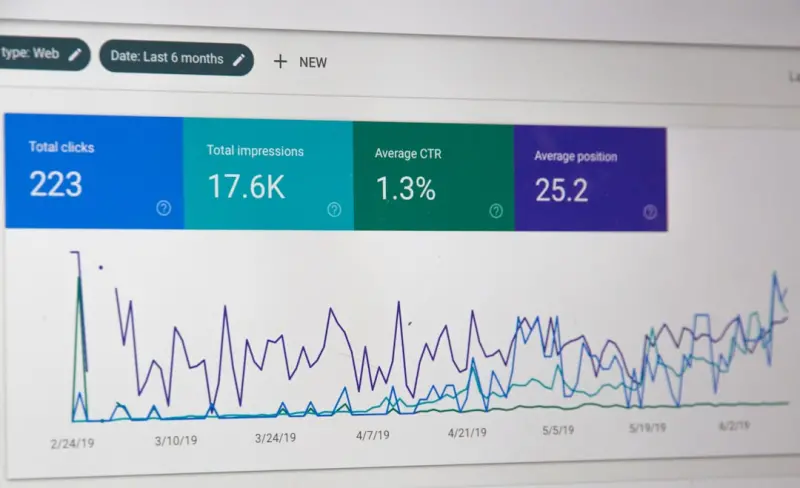
Mastering Crawl Budget: Technical SEO Strategies for Scaling SaaS Platforms
A deep dive into crawl budget optimization for SaaS websites, covering practical tactics, automation... Read More
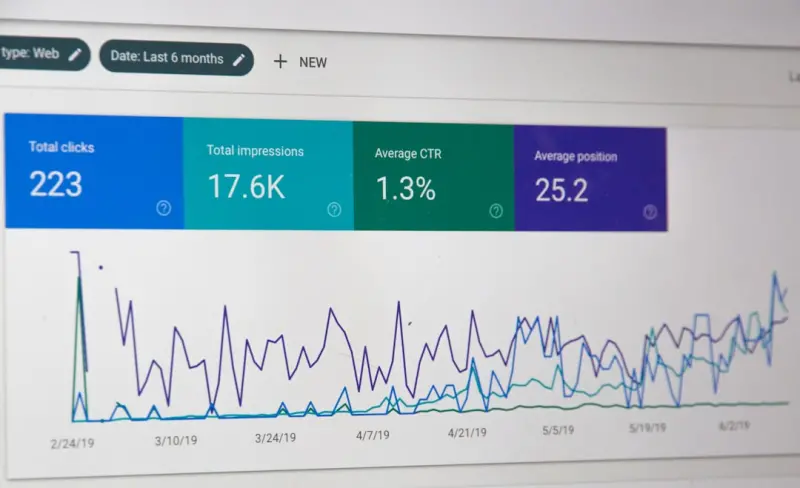
Technical SEO for SaaS: Tackling Duplicate Content in Multi‑Tenant Platforms
A deep dive into the hidden duplicate content challenges of multi‑tenant SaaS platforms and action... Read More

How SaaS Companies Can Tame Their Crawl Budget and Unlock Hidden Rankings
Discover how SaaS sites can manage crawl budget by auditing server logs, cleaning up URL parameters,... Read More
Top Posts
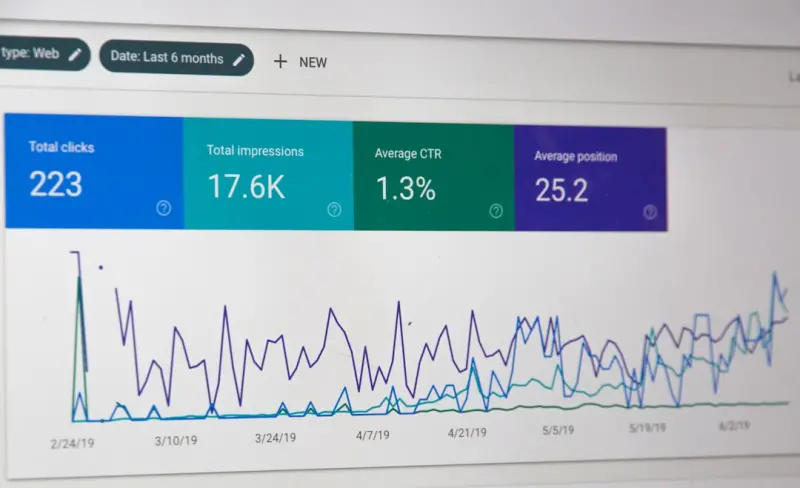
SaaS Pricing Page SEO: Capture High‑Intent Buyers
A focused SEO strategy for SaaS pricing pages can turn high‑intent search queries into qualified leads. Discover keyword research, technical markup, content t...Read More

Riding the Wave: How SaaS Marketers Can Thrive Amid Google’s Latest Algorithm Shifts
Google’s algorithm updates can feel unpredictable, but with a focus on real user value, E‑E‑A‑T, and emerging signals like MUM, SaaS marketers can turn ...Read More

Greener SEM: Cutting Ad Waste to Boost SaaS ROI
A deep dive into sustainable SEM for SaaS, covering waste audits, AI‑powered budgeting, first‑party data integration, and a practical checklist to cut waste...Read More

Beyond Speed: How Advanced HTTP Headers Boost Technical SEO
Learn why optimizing HTTP headers—Brotli compression, HTTP/3, caching policies, and resource hints—can dramatically enhance crawl budget, site speed, and ov...Read More
0 Comments
Post Comment
You will need to Login or Register to comment on this post!