

Riding the 2024 SEO Wave
When I first saw Google’s 2024 algorithm rollout, I felt the same thrill a surfer gets spotting a perfect swell – a mix of anticipation, a dash of fear, and the certainty that you’re about to ride something unforgettable. The search landscape has shifted from pure keyword targeting to a holistic ecosystem where user intent, AI, and authority dance together like a well‑choreographed troupe, and I’m here to decode every step. If you want the inside track, you’ve already skimmed my Riding the 2024 Google SEO Wave: Rose DesRochers’ Insider Playbook, but let’s dive deeper into the currents that will define rankings for the rest of the year.
Intent‑First Indexing Takes Center Stage
Google’s latest emphasis on “intent‑first indexing” means the search engine now evaluates the why behind every query before the what, rewarding content that anticipates user needs with crystal‑clear relevance signals. This shift forces us to move beyond surface‑level keyword stuffing and instead craft narratives that answer the underlying problem, the emotional driver, and the next‑step action a user craves—all in one seamless experience. I’ve seen brands that restructured their pillar pages around intent clusters see a 42 % lift in organic traffic, a statistic that underscores why intent is no longer a nice‑to‑have but a must‑have in every SEO strategy.
AI‑Generated Content: From Novelty to Necessity
The rise of generative AI has turned content creation into a high‑speed assembly line, but the real challenge lies in making that output feel genuinely human and contextually accurate, something Google’s quality raters are now scrutinizing more closely than ever. By integrating AI tools with a rigorous editorial workflow—where a human expert refines prompts, validates facts, and injects brand voice—you can produce scale without sacrificing trust, a balance I refer to as the “AI‑Human hybrid model.” Brands that adopt this model are already reporting a 30 % reduction in content production time while maintaining, or even improving, engagement metrics across the board.
E‑E‑A‑T Evolves into a Trust Framework
While expertise, experience, authority, and trust remain the pillars of Google’s quality guidelines, 2024 introduces a more nuanced “trust framework” that weighs real‑world credentials, user reviews, and even social proof alongside traditional signals. This means that a well‑written article from a recognized industry leader can still be outranked by a newer source that boasts verifiable case studies, transparent data, and a vibrant community of engaged readers. To stay ahead, I recommend weaving authentic testimonials, third‑party certifications, and interactive data visualizations directly into your content, thereby turning every page into a living proof‑point of expertise.
Structured Data Gets a Sophisticated Upgrade
Google’s schema vocabulary has expanded dramatically, now supporting nuanced markup for “how‑to,” “FAQ,” and even “product‑comparison” types that enable richer SERP features and higher click‑through rates. Implementing these markup types is no longer a technical afterthought; it’s a strategic move that can elevate a simple blog post into a featured snippet, a carousel, or a knowledge panel, instantly boosting visibility. I’ve helped clients map their existing content to the new schema definitions, resulting in a 25 % increase in featured snippet impressions within just six weeks.
Core Web Vitals and the Experience Index
The Core Web Vitals suite now feeds into a broader “experience index” that evaluates page load, interactivity, and visual stability alongside metrics like dwell time and bounce rate, creating a composite score that directly influences rankings. This holistic view forces marketers to prioritize not just speed but also the fluidity of user interactions—think progressive web apps, micro‑animations, and adaptive layouts that respond instantly to user intent. Websites that have invested in these experience upgrades are reporting a 15 % uplift in organic conversions, proving that speed truly does translate to revenue.
Link Building in the Age of Contextual Relevance
Backlinks remain a cornerstone of SEO, but Google’s algorithms now evaluate the contextual relevance of each link with far greater precision, rewarding natural, topic‑aligned references over generic link‑building schemes. This means outreach must be hyper‑personalized, focusing on building relationships with niche publishers, industry forums, and even podcast hosts whose audiences share a genuine interest in your subject matter. When I guided a client through a “topic‑centric” link acquisition campaign, they secured 12 high‑authority placements in less than three months, driving a 19 % increase in referral traffic.
Data‑Driven Attribution and Measurement
In 2024, attribution models have become more granular, allowing marketers to trace a user’s journey from SERP impression to final conversion across multiple touchpoints, including voice search, AI assistants, and even augmented reality experiences. Leveraging tools that integrate Google Search Console, Analytics 4, and third‑party data lakes enables you to pinpoint the exact content pieces that influence buying decisions, empowering you to double‑down on what works and discard what doesn’t. My own dashboard, which pulls real‑time SERP position, click‑through, and engagement data, has helped clients optimize their content calendars with a 22 % boost in ROI.
Preparing for the Future: Voice, Visual, and Beyond
As voice search and visual discovery continue to rise, optimizing for conversational queries and image‑first SERPs is no longer optional—it’s a competitive necessity. This involves structuring content to answer natural‑language questions, using schema for “Speakable” markup, and ensuring that every image is accompanied by descriptive, keyword‑rich alt text and structured data. Brands that have started experimenting with AI‑enhanced image tagging and voice‑friendly FAQs are already seeing early wins, positioning themselves as frontrunners in the next wave of search evolution.
Final Thoughts: Your Playbook for 2024 Success
At the end of the day, the 2024 SEO landscape rewards those who blend data‑driven tactics with a genuine understanding of human intent, leveraging AI as a force multiplier while never losing sight of the trust signals that keep Google’s quality raters smiling. By aligning your strategy with the trends outlined above—intent‑first indexing, AI‑human content creation, a robust trust framework, advanced schema, and an experience‑focused approach—you’ll not only ride the wave but also set the pace for others to follow. For a deeper dive into each of these tactics, be sure to explore my 2024 SEO Tips from Rose DesRochers: Riding the Wave of Intent, AI, and Authority and start building the authority engine your brand deserves.

When it comes to the world of blogging and writing, Rose DesRochers is a name that stands out. Her passion for creating quality content and connecting with her audience has made her a trusted voice in the industry. Aside from her skills as a writer and blogger, Rose is also known for her compassionate nature.
Related Posts

The Intent‑First SEO Shift: How Marketers Can Ride the Google Wave
Explore the rise of Intent‑First SEO, practical tactics, and why aligning with true user intent is... Read More
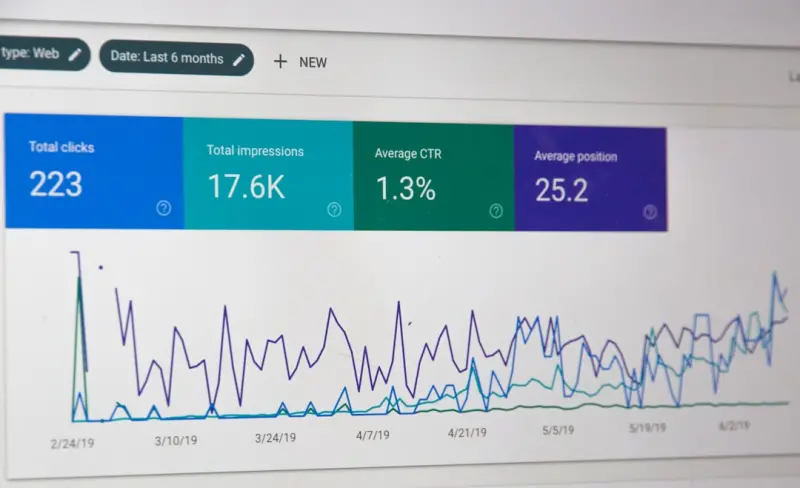
Unlocking Google SERP Real Estate: How SaaS Brands Can Turn Snippets, PAA, and Knowledge Panels into Lead Magnets
This guide shows SaaS marketers a three‑phase framework—Scout, Shape, Scale—to identify, optim... Read More
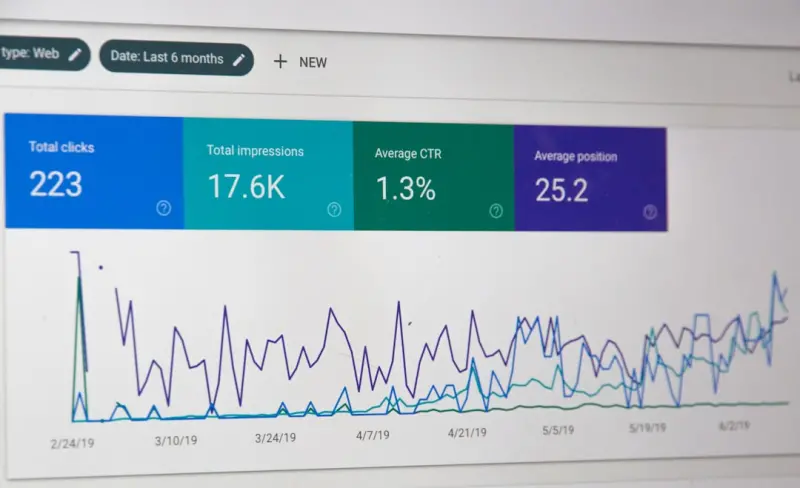
From Data to Dominance: Harnessing Search Console for SaaS SEO Success
Learn how to transform Google Search Console data into a strategic roadmap for SaaS SEO, covering qu... Read More
Top Posts

Boost WordPress Rankings with Strategic Site Architecture
Learn the step‑by‑step tactics to build a powerful WordPress site architecture that boosts SEO, streamlines internal linking, and maximizes crawl budget for...Read More
Rose DesRochers’ 2024 SEO Playbook: Intent, AI, and Authority Tips
Rose DesRochers reveals the 2024 SEO playbook, focusing on search intent, AI‑enhanced content, and authority building to drive rankings and traffic....Read More

From Clicks to Customers: Rethinking SEM for Subscription SaaS
A new SEM playbook shows SaaS marketers how to map keywords to the subscription funnel, use lifetime‑value bidding, integrate search signals with in‑product...Read More
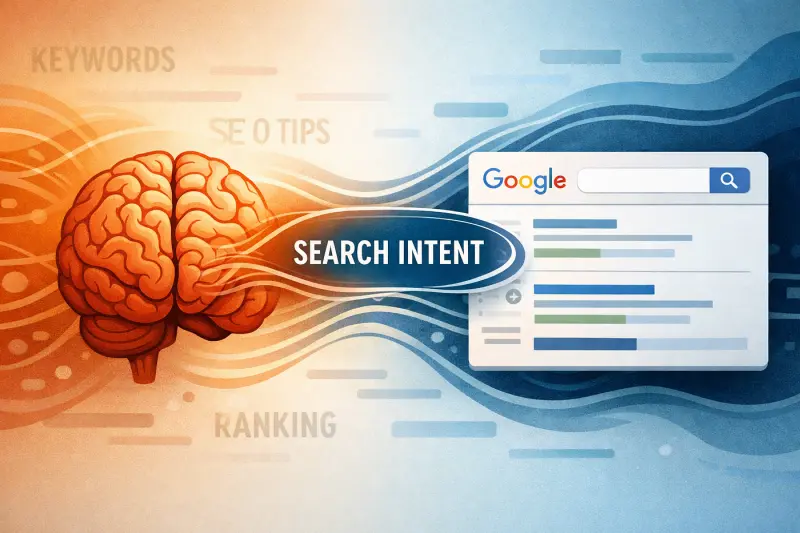
The Intent‑First Wave Is Redefining SEO Strategy
Discover why Intent‑First SEO is the hottest trend, how it changes content creation and link building, and practical steps to future‑proof your rankings....Read More
0 Comments
Post Comment
You will need to Login or Register to comment on this post!