
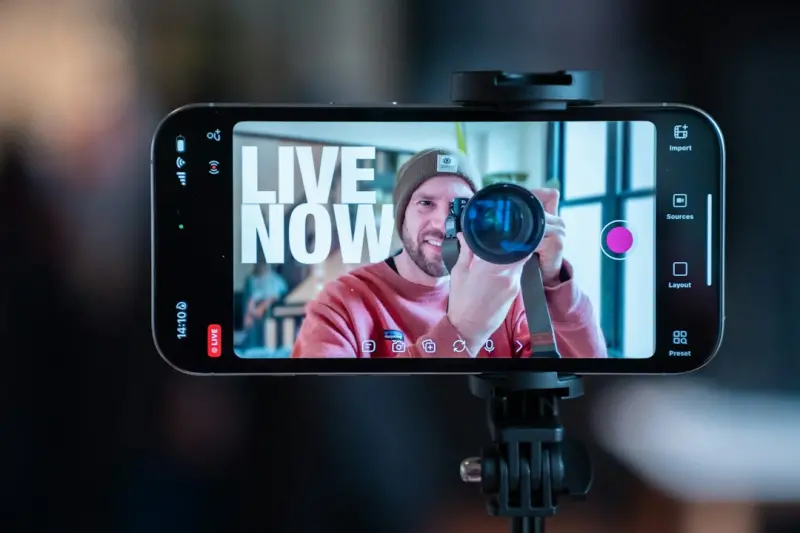
Why Shoppable Livestreams Are the Secret Weapon Your eCommerce Brand Needs
When I first stumbled onto a livestream where a host was unboxing a new tech gadget and letting viewers click “Buy Now” without ever leaving the video, I felt a familiar rush—the same thrill I get when a well‑crafted email campaign finally clicks. The difference? This was happening in real time, with audience members shouting questions in the chat, the host reacting on the fly, and sales popping up in the back‑office as the stream progressed. It was eCommerce magic in its purest, most interactive form.
The Evolution from Passive Viewing to Active Buying
Traditional video content has always been a powerful storytelling tool, but it was largely a one‑way street: you watched, you liked, you maybe clicked a link in the description. Shoppable livestreams flip that script. They transform the passive viewer into an active shopper by embedding product cards directly into the broadcast. Each card is a tiny conversion micro‑moment—a chance to capture intent the moment it spikes.
Think of it like the difference between a billboard on a highway and a personal sales associate who knows exactly what you’re looking at and can hand you the item on the spot. The immediacy creates urgency, while the conversational layer builds trust.
Why Now? The Perfect Storm of Technology and Consumer Behavior
- High‑speed internet penetration means buffering is a thing of the past for most of your target audience.
- Social platforms have integrated shopping tools (Instagram Checkout, TikTok Shopping, YouTube Shopping), providing native pathways from video to cart.
- Consumers crave authenticity. Live video feels raw, unedited, and human—exactly the vibe shoppers associate with trust.
- Data collection is richer than ever. Every click, pause, and comment becomes a data point you can act on in real time.
All these factors converge to make shoppable livestreams not just a nice‑to‑have experiment but a strategic imperative.
Building a Shoppable Livestream Framework: The 5‑Step Playbook
Below is a repeatable framework I’ve refined while consulting for brands ranging from indie beauty labs to enterprise‑grade hardware manufacturers. The goal is to turn the chaotic energy of a live broadcast into a predictable, revenue‑generating engine.
1. Define a Clear Shopping Goal
Every livestream should start with a single, measurable objective: is it to move a new product off the shelves, collect email leads, or introduce a seasonal bundle? The goal dictates the length, format, and promotional tactics. For example, a product launch might be a 30‑minute “first‑look” event, while a clearance sale could stretch over an hour with multiple “flash deals.”
2. Curate the Right Host (or Hosts)
The host is the bridge between your brand and the audience. Look for personalities who:
- Speak the language of your buyer persona.
- Can demonstrate the product authentically—think “real‑use” rather than scripted pitches.
- Are comfortable multitasking—talking, answering chat, and nudging product cards into view.
If you have a community of micro‑influencers, consider a co‑host model. It spreads the workload and expands reach across different follower bases.
3. Set Up Seamless Shopping Integration
Most platforms now offer native product card widgets, but the magic happens when you connect those cards to your Zero‑Party Data collection strategy. When a viewer clicks a card, capture their email or phone number (with consent) before they’re sent to checkout. This gives you a valuable post‑show list for follow‑up nurturing.
Don’t forget to test the checkout flow on mobile, as the majority of live viewers are on smartphones. A single friction point—like a mandatory account creation step—can kill conversion rates.
4. Drive Real‑Time Engagement
Interaction is the lifeblood of shoppable livestreams. Use these tactics to keep the chat buzzing:
- Live polls that let viewers vote on which product gets a discount.
- Q&A bursts where the host answers questions in the moment, turning objections into sales.
- Limited‑time offers that appear only for a few minutes, creating FOMO (fear of missing out).
Consider integrating a Conversational Commerce bot that can handle quick checkout requests directly from the chat, allowing the host to stay in the spotlight while the bot processes the transaction.
5. Analyze, Optimize, and Repurpose
After the stream ends, the work is far from over. Pull the following metrics:
- Peak concurrent viewers versus average watch time.
- Click‑through rate (CTR) on each product card.
- Conversion rate from click to purchase.
- Post‑livestream engagement (e.g., replay views, email open rates from the captured leads).
Use this data to refine product placement, timing of offers, and even the host’s script. And don’t let the content sit idle—cut the highlight reel, turn it into a series of short TikTok clips, or embed the full replay on a product landing page.
Integrating Shoppable Livestreams with Your Existing Marketing Stack
One common mistake is treating livestreams as a siloed channel. Instead, weave them into the fabric of your broader strategy:
- Email nurture: Send a recap email to everyone who registered, featuring the best‑selling items and a “watch again” link.
- Paid social retargeting: Use the audience data from the stream to serve dynamic ads to viewers who clicked but didn’t buy.
- SEO synergy: Publish a transcript of the livestream as a blog post, enriched with product schema. This gives you fresh, keyword‑rich content that search engines love.
- Dynamic pricing: If you have a flexible pricing model, consider integrating Dynamic Pricing algorithms that adjust discounts in real time based on inventory levels and demand spikes observed during the stream.
When each piece of your marketing ecosystem talks to the others, the livestream becomes a catalyst for multi‑channel growth rather than a one‑off stunt.
Case Study: A Niche Home‑Fitness Brand’s 3‑Month Livestream Journey
Let’s walk through a real‑world example (names changed for privacy) that illustrates the impact of a disciplined livestream approach.
- Month 1 – Pilot: The brand ran a 20‑minute “Live Demo” of a new yoga mat. With a modest audience of 800 viewers, the CTR was 5% and conversion was 1.2%. The host collected 200 email addresses via a Zero‑Party Data pop‑up.
- Month 2 – Scaling: Armed with the pilot data, they invited a micro‑influencer with a 150k follower base. They added a live poll that offered a 15% discount to the first 50 purchasers. Viewership jumped to 3,500, CTR climbed to 9%, and conversion surged to 3.5%.
- Month 3 – Optimization: They integrated a Conversational Commerce bot to handle “Add to Cart” commands directly from chat. The bot reduced checkout friction, resulting in a 12% conversion rate and a 20% uplift in average order value (AOV) due to bundled upsells introduced mid‑stream.
By the end of the quarter, the brand reported a 45% increase in monthly revenue, largely attributable to the shoppable livestreams. Moreover, the email list grew by 1,200 qualified contacts, feeding into future email and SMS campaigns.
Common Pitfalls and How to Avoid Them
- Over‑loading the audience: Bombarding viewers with too many product cards leads to “choice fatigue.” Limit the live showcase to 3‑5 items per hour.
- Neglecting the technical rehearsal: Test audio, lighting, and card placement beforehand. A glitch can erode credibility instantly.
- Forgetting the post‑show follow‑up: The magic doesn’t end when the stream cuts. Schedule automated thank‑you emails with personalized product recommendations based on what each viewer clicked.
- Under‑estimating the power of data: Treat every interaction as a data point. Use analytics to segment viewers (e.g., “high‑engagement shoppers” vs. “browsers”) and tailor future messaging.
The Future of Shoppable Livestreams: What’s on the Horizon?
We’re already seeing early experiments with augmented reality (AR) overlays that let viewers see a product in their own space before buying—imagine a sofa appearing in your living room via your phone camera. Another trend is shoppable short‑form video, where platforms like TikTok serve product cards directly within 15‑second clips, blurring the line between ad and content.
As AI continues to advance, expect smarter recommendation engines that suggest products in real time based on a viewer’s facial expressions or tone of voice during the stream. The next wave will be about hyper‑personalized live commerce, where each viewer sees a slightly different product lineup tailored to their preferences.
Getting Started: Your First Shoppable Livestream Checklist
- Pick a product that tells a story—something visual and demonstrable.
- Select a host who resonates with your target demographic.
- Set up product cards and connect them to your checkout flow.
- Promote the event across email, social, and paid ads at least 7 days in advance.
- Run a tech rehearsal 48 hours before go‑live.
- During the stream, engage with the chat, run a poll, and drop limited‑time offers.
- After the stream, send a recap email, analyze the data, and repurpose the video.
Even a single well‑executed livestream can produce a measurable lift in sales and brand affinity. Treat it as a test, iterate fast, and you’ll soon have a repeatable engine that fuels growth across the entire funnel.
Conclusion: Turn Viewers Into Loyal Customers, One Live Moment at a Time
Shoppable livestreams sit at the crossroads of entertainment, social interaction, and commerce. They give brands the chance to showcase personality, answer objections instantly, and close the sale without ever forcing a viewer to leave the experience. By integrating the right technology, crafting a data‑driven strategy, and treating each broadcast as a learnable event, you can transform a fleeting video moment into a sustainable revenue channel.
So, next time you’re planning a product launch, a seasonal promotion, or even a brand‑building “behind‑the‑scenes” session, ask yourself: Can this be shoppable? If the answer is yes, you’ve just uncovered a new growth lever—one that puts your audience in the driver’s seat and your sales funnel on fast‑forward.

Tammy French is a Montessori Teaching Assistant and freelance writer passionate about education, creativity, and inspiring lifelong learning through engaging content.
Related Posts

Conversational Commerce: AI Chatbots Drive Real‑Time Upsells
Learn why AI‑powered chatbots are the future of eCommerce marketing, how they outshine traditional... Read More

Level Up Your Store: How Gamification Boosts eCommerce Sales
Gamification transforms shopping into an interactive experience that boosts engagement, average orde... Read More

Gamified Shopping: Turning Play Into Profit
Learn how to transform your online store with gamified shopping, using points, challenges, and AI‑... Read More
Top Posts

Turning Facebook Groups into SEO Powerhouses for SaaS Brands
Learn a fresh, community‑centric approach to Facebook SEO: build, optimize, and leverage Facebook Groups as searchable, authority‑driving assets that feed q...Read More
SEO as an Intent‑Driven Funnel: A Playbook for SaaS Growth
Discover a fresh approach to SaaS SEO that treats search as a dynamic funnel, aligning keyword clusters, micro‑landing pages, and schema markup with each stag...Read More

Mastering Technical SEO: Speed, Crawl Efficiency, and Structured Data for Higher Rankings
A deep dive into technical SEO fundamentals—speed, crawl efficiency, and structured data—offering actionable steps to improve Core Web Vitals, server respon...Read More
Turning Integration Marketplaces into Link‑Building Powerhouses
Learn why integration marketplaces are the new frontier for SaaS link building, with a step‑by‑step roadmap to secure high‑authority backlinks that also d...Read More
0 Comments
Post Comment
You will need to Login or Register to comment on this post!