
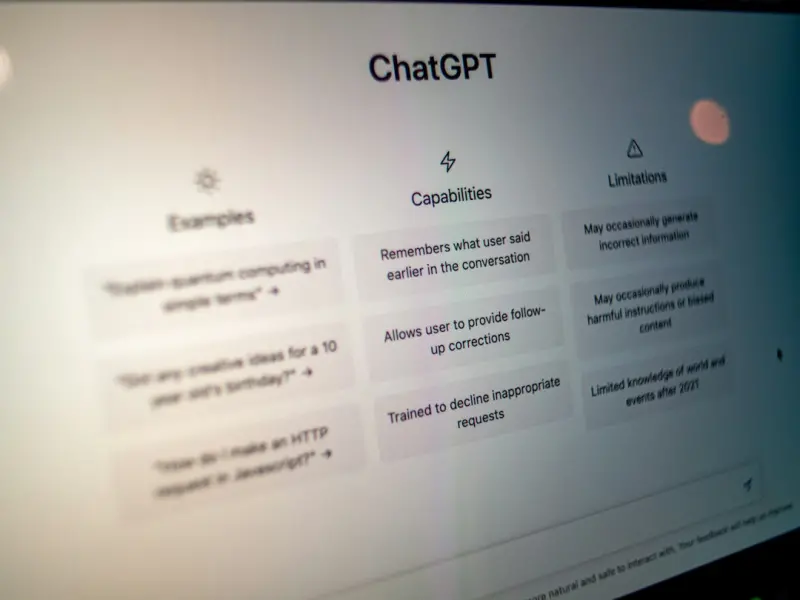
In the bustling world of online retail, the battle for attention has shifted from static ads and product listings to real‑time conversations. Shoppers are no longer content to scroll passively; they want answers, recommendations, and a human touch—all within the same digital moment. This is the promise of conversational commerce: a seamless blend of messaging, voice, and AI that turns a simple chat into a full‑fledged sales channel.
Why Conversation Is the New Conversion Catalyst
Traditional eCommerce funnels assume a linear journey: discover → browse → add to cart → checkout. In reality, modern buyers hop between platforms, ask questions on social media, and expect instant responses. When a brand can intercept that curiosity with a conversational interface—whether it’s a messenger bot, a voice assistant, or a live‑chat agent—they capture a high‑intent moment before the shopper drifts away.
- Instant gratification: A quick answer to “Do you have this in size M?” removes friction.
- Personalized guidance: AI can recommend complementary items based on the user’s tone and preferences.
- Trust building: Real‑time human support demonstrates that a brand cares, reducing cart abandonment.
These benefits translate directly into higher conversion rates, larger average order values, and stronger brand loyalty.
Designing a Chat‑First Experience That Scales
Creating a conversation that feels natural yet drives sales is a delicate art. Below are the core components every eCommerce marketer should embed into their chat strategy.
1. Define Clear Entry Points
Don’t bury your chat widget at the bottom of the page. Position it where shoppers naturally pause—product detail pages, pricing tables, or after a user adds an item to the cart. Use micro‑copy that invites interaction, such as “Need help choosing a size?” or “Ask me about this product.”
2. Leverage AI, But Keep Humans in the Loop
AI excels at handling routine queries—stock checks, shipping timelines, and FAQ answers. However, complex objections (e.g., “Why is this fabric better than the competition?”) deserve a human touch. Implement a seamless handoff system that routes the conversation to a live agent without forcing the shopper to restart.
3. Contextualize Recommendations
Instead of generic “You might also like” pop‑ups, feed the conversation engine with real‑time data: browsing history, cart contents, and even the language a shopper uses. When a user mentions “I’m looking for a gift for a runner,” the bot can suggest performance shoes, moisture‑wicking socks, or a hydration pack—showcasing relevance.
4. Integrate Transactional Capabilities
Allow users to complete purchases without leaving the chat window. Secure payment gateways, saved payment methods, and one‑click checkout options turn a conversation into a checkout lane. This reduces the friction points that typically cause abandonment.
5. Capture and Analyze Conversation Data
Every chat is a goldmine of intent signals. By tagging recurring questions, sentiment, and conversion outcomes, marketers can refine product pages, FAQs, and even inventory decisions. The insights gathered here often overlap with those from user‑generated content strategies, but they are richer because they capture real‑time intent.
Building Trust Through Transparent Conversational Practices
Privacy concerns loom large in any digital interaction. While you’ll want to collect data to personalize the experience, you must also be transparent about how that data is used. Offer clear opt‑ins, explain the benefits of personalized recommendations, and adhere to data‑protection standards. A well‑communicated privacy policy builds confidence and keeps the conversation flowing.
Measuring Success: Metrics That Matter
Switching from a click‑based funnel to a conversation‑driven model requires new KPIs. Here are the top metrics to track:
- Conversation Completion Rate (CCR): The percentage of chats that reach a predefined end point (e.g., purchase, lead capture, or resolved query).
- Average Response Time (ART): Faster replies correlate with higher satisfaction and conversion.
- Chat‑Driven Revenue per Visitor (CRV): Total sales generated from chat interactions divided by total visitors.
- Sentiment Score: Use natural language processing to gauge shopper mood throughout the conversation.
- Escalation Rate: Percentage of chats that require human intervention—aim for a balance that maintains efficiency without sacrificing service quality.
These metrics should be benchmarked against traditional funnel performance to quantify the ROI of conversational commerce.
Case Study: From Passive Browsing to Active Buying
A mid‑size apparel retailer integrated a Messenger bot that answered stock queries, suggested outfits, and processed payments. Within three months, the brand observed:
- 30% increase in conversion rate for visitors who engaged with the bot.
- 15% rise in average order value, driven by AI‑suggested cross‑sells.
- 20% reduction in cart abandonment, as shoppers could resolve last‑minute doubts instantly.
These outcomes echo the principles discussed in post‑purchase experience frameworks, highlighting that conversation doesn’t stop at checkout—it extends the relationship.
Integrating Conversational Commerce with Existing Marketing Channels
Conversation should be viewed as a unifying layer across paid, owned, and earned media.
- Paid Media: Use click‑to‑message ads on platforms like Facebook and Instagram. The ad copy can promise a live product demo via chat, turning ad spend directly into dialogue.
- Owned Media: Embed chat widgets on blog posts and product guides. When a reader asks, “Is this material waterproof?” the bot can answer and link to the product page.
- Earned Media: Encourage satisfied customers to share their chat experiences on social channels. Authentic conversation snippets can serve as social proof.
Future Trends: Voice‑First Shopping and Mixed‑Reality Interactions
As smart speakers and AR glasses become mainstream, the conversational interface will evolve beyond text. Voice‑first shopping allows users to add items to carts with a simple “Hey, add the blue jacket to my bag.” Meanwhile, mixed‑reality experiences could let shoppers virtually try on products while discussing fit with an AI stylist in real time. Brands that experiment now will lead the next wave of immersive commerce.
Getting Started: A Practical 5‑Step Playbook
- Audit Current Touchpoints: Identify where shoppers currently ask questions (email, social DM, support tickets).
- Select a Platform: Choose a chat solution that integrates with your eCommerce stack (Shopify, Magento, etc.).
- Build a Knowledge Base: Populate the bot with accurate product data, policies, and FAQs.
- Pilot with a Small Segment: Launch the bot for a specific product line or demographic and monitor the core metrics.
- Iterate and Expand: Use conversation data to refine scripts, add new features, and roll out to the entire catalog.
Remember, the goal isn’t to replace human interaction but to amplify it—turning every shopper query into an opportunity for personalized persuasion.
Conclusion: Conversation Is the New Commerce Catalyst
In a landscape where attention spans shrink and competition intensifies, brands that embed genuine dialogue into the buying journey will outpace those clinging to static pages. By designing chat‑first experiences that are immediate, personalized, and transaction‑ready, eCommerce marketers can capture intent at the exact moment it surfaces, transforming curiosity into revenue.

Paul Flynn is a versatile freelance writer equipped with a diverse skillset and a portfolio that reflects his wide-ranging interests and expertise. From crafting compelling website copy and engaging blog posts to delivering in-depth articles and meticulously researched reports, Flynn demonstrates a remarkable ability to adapt his writing style to suit various audiences and purposes.
Related Posts

Conversational Commerce: AI Chatbots Drive Real‑Time Upsells
Learn why AI‑powered chatbots are the future of eCommerce marketing, how they outshine traditional... Read More

Beyond the Checkout: Crafting Post‑Purchase Experiences That Turn Buyers into Brand Evangelists
Turn the checkout into the start of a lasting relationship by using a strategic post‑purchase funn... Read More
Conversational Commerce: Turning Chat Into Cart
Conversational commerce merges AI-driven chat with instant checkout, delivering personalized product... Read More
Top Posts

Speak Up: Turning Audio Assistants into a Powerful eCommerce Sales Channel
Explore a step‑by‑step guide to building a voice‑first eCommerce presence, measuring success, and integrating audio assistants into your broader marketing...Read More

Cracking the Google Discover Feed: A Tactical Guide for Sustainable Traffic
Discover how to tap Google’s visual feed for sustainable traffic. This guide covers content, visuals, technical tweaks, and measurement to turn Discover into ...Read More

Crawl Budget Decoded: Turning Server Logs into SEO Gold
Discover how to master Googlebot’s crawl budget by analyzing server logs, fixing latency, and using smart directives, turning technical SEO challenges into ra...Read More

The Hidden Edge: How AI Search Can Transform SaaS Customer Journeys
AI search is more than a fancy feature—it's a strategic lever that shortens onboarding, slashes support volume, and nudges users toward premium upgrades by de...Read More
0 Comments
Post Comment
You will need to Login or Register to comment on this post!