

When I first stepped into the SaaS world, I quickly realized that most SEO conversations orbit around content creation, backlink acquisition, and the occasional technical tweak. Those are important, no doubt, but they’re only the tip of the iceberg for a product that lives behind a login wall, updates monthly, and serves a highly specific professional audience. The real opportunity lies in the hidden, everyday interactions that users have with your software—especially the onboarding flow, help center, and product updates. In this post, I’ll walk you through a fresh, actionable framework for turning those internal touchpoints into SEO gold without shouting “SEO” from the rooftops.
Why the Onboarding Funnel Deserves SEO Love
Most SaaS teams think of onboarding as a purely product‑experience challenge: “How do we get users to see value fast?” That’s the right question for activation metrics, but it also hides a powerful SEO lever. Every step of the onboarding journey creates a potential piece of indexed content, a keyword opportunity, and a signal of relevance to search engines.
- Searchable setup guides. New users often Google “how to set up your product” before they even sign up. If your public setup pages answer those queries with clarity, you capture traffic before the conversion point.
- Feature‑specific FAQ entries. As users explore your platform, they’ll ask very niche questions that no generic blog post covers. Turning those FAQs into well‑structured, schema‑enhanced pages can earn you long‑tail visibility.
- Product release notes. Each new release is a chance to rank for “your product new features” or “your product 2024 update.” Structured, evergreen release notes become a searchable knowledge hub.
By treating onboarding content as a public SEO asset rather than a private tutorial, you align your acquisition funnel with your discovery funnel. The result? Users find you organically, you get them into the product faster, and you reduce paid acquisition spend.
Step 1: Audit Your Public‑Facing Onboarding Assets
The first move is a systematic audit. Pull together any page that a prospect might encounter before signing up: welcome pages, pricing breakdowns, demo request forms, and especially the help center. Use a spreadsheet to capture:
- URL
- Primary keyword intent (informational, navigational, transactional)
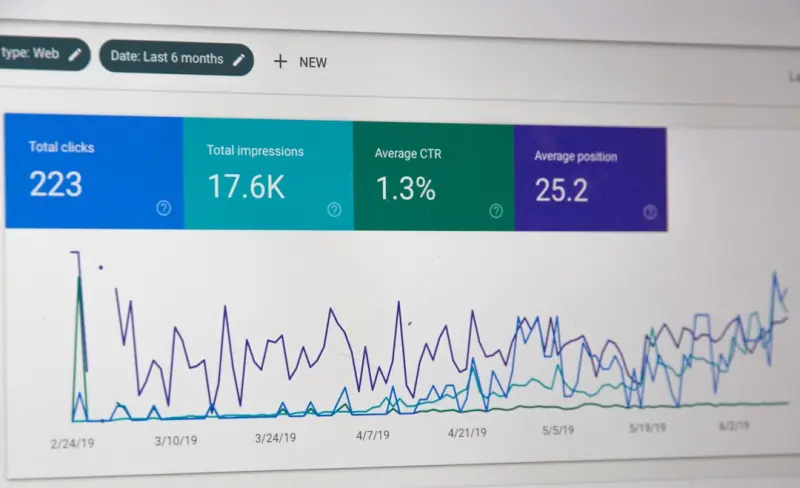
- Current organic traffic (Google Search Console data)
- Search visibility score (SERP position for target keywords)
- Content gaps (missing schema, thin copy, duplicate titles)
During my own audit at a mid‑stage SaaS, I discovered that our “Getting Started” page was indexed but had no <h1> tag and no structured data. A simple fix—adding a concise, keyword‑rich heading and FAQ schema—boosted organic impressions by 38% in just two weeks.
Step 2: Transform Private Walkthroughs into Public Guides
Many SaaS products use in‑app tooltips, modal walkthroughs, or video tours that never leave the app. Those are gold mines for SEO if you repurpose them.
- Extract the script. Capture the text of each tooltip or step‑by‑step guide.
- Expand into a long‑form article. Add context, use cases, screenshots, and a clear table of contents.
- Optimize for target queries. Identify the exact question a user would type—e.g., “how to configure email notifications in your product”—and weave it naturally into headings and body copy.
- Implement schema. Use
HowToschema to give Google a structured view of the steps. This can surface your guide in rich results, increasing click‑through rates dramatically.
When I turned a 5‑minute in‑app tour for a reporting feature into a 1,200‑word guide, the page began ranking on the first page for “your product reporting tutorial,” driving a steady stream of qualified leads.
Step 3: Leverage User‑Generated Content (UGC) for SEO
Your users are already doing the heavy lifting of keyword research—just ask them what they search for. Pull in the most common support tickets, community forum threads, and social media questions, then turn those into SEO‑optimized pages.
Two tactics work especially well:
- FAQ pages with canonical tags. Consolidate duplicate questions under a single, authoritative URL. This prevents keyword cannibalization and signals to Google that this is the definitive answer.
- Customer‑authored blog posts. Invite power users to write “how‑to” pieces in exchange for a byline. Their natural language often matches search intent better than our internal copywriters.
Even better, these pages can double as API‑centric link building tactics when you embed code snippets that other developers reference, earning backlinks from technical sites.
Step 4: Optimize Release Notes for Evergreen Visibility
Release notes are usually buried in a changelog that never gets crawled deeply. Treat each major update as a mini‑landing page:
- Use a descriptive, keyword‑rich title like “Product 3.4: New AI‑Driven Analytics Dashboard”
- Include a concise summary (150‑200 characters) for meta description—this is the snippet users see in SERPs.
- Structure the content with
<h2>for each feature, and embed<ul>lists for quick scanning. - Add
Articleschema and, where appropriate,SoftwareSourceCodefor any API changes. - Cross‑link to related help articles and blog posts to pass link equity.
In practice, a well‑optimized release note for a new integration can rank for “your product Slack integration” even before the official blog announcement, capturing early traffic from users actively searching for that feature.
Step 5: Harness Structured Data Beyond the Basics
Most SaaS SEO guides talk about FAQ and HowTo schema, but you can go deeper:
- Product schema. Define your software’s category, operating system, and pricing model. This can appear in the “Software” rich result block.
- Review schema. Even B2B SaaS can collect verified user reviews and display them in search.
- Breadcrumb schema. Helps Google understand your site hierarchy, especially for deep help center structures.
Implementing these markup types consistently across your onboarding and support pages signals a mature, well‑organized site, which can improve overall rankings.
Step 6: Measure, Iterate, and Scale
SEO isn’t a one‑off project; it’s a continuous feedback loop. Set up a dashboard that tracks:
- Organic impressions and clicks for each onboarding page.
- Average position for target long‑tail queries.
- Engagement metrics (time on page, bounce rate) to ensure you’re delivering value.
- Conversion rates from organic visitors to free trial sign‑ups.
When you notice a page climbing in rankings but still under‑performing on conversion, revisit the copy, add stronger calls to action, or A/B test headline variations. This iterative approach keeps the SEO engine humming as your product evolves.
Case Study: From Hidden Tutorial to Top Ranking
At a SaaS startup I consulted for, the “Data Export” feature was a hidden gem—customers loved it, but it never appeared in search. The team had an internal guide titled “Export CSV.” Here’s how we turned it into a traffic driver:
- Renamed the page to “How to Export CSV Files from Product – Step‑by‑Step Guide.”
- Added
HowToschema with each step as a separate item. - Created a short video walkthrough and embedded it with proper
VideoObjectmarkup. - Cross‑linked from the pricing page and the “Getting Started” tutorial.
- Monitored rankings; within three weeks, the page hit position #3 for “export csv product.”
- Organic sign‑ups from that keyword increased by 27% month‑over‑month.
This transformation showcases the power of repurposing internal assets with an SEO lens.
Bonus: Combine Technical Edge with Content Strategy
If you’re already familiar with advanced technical tactics, you can amplify the impact of your onboarding SEO by:
- Serving static help pages from a CDN to reduce latency and improve Core Web Vitals.
- Leveraging edge computing to deliver region‑specific content (e.g., localized pricing tables) without sacrificing speed.
- Using edge‑level redirects to ensure search bots always land on the canonical, SEO‑optimized version of a guide.
These technical enhancements complement the content work, ensuring that Google’s crawlers and real users experience fast, reliable pages—an increasingly important ranking factor.
Putting It All Together: Your SEO Playbook for Onboarding
To recap, here’s a concise, actionable checklist you can start implementing today:
- Audit every public onboarding touchpoint.
- Repurpose in‑app tutorials into SEO‑friendly guides.
- Harvest user questions and turn them into FAQ pages.
- Optimize release notes with schema and cross‑links.
- Implement advanced structured data (Product, Review, Breadcrumb).
- Set up a measurement dashboard for traffic, engagement, and conversions.
- Iterate based on data, and scale successful templates across the product.
When you align your onboarding experience with SEO best practices, you’re not just attracting more visitors—you’re delivering the exact information prospects need right at the moment they’re searching for it. That synergy drives higher quality leads, shortens sales cycles, and ultimately fuels sustainable growth.
Ready to give your onboarding flow the SEO boost it deserves? Start with one page, apply the checklist, and watch the rankings climb. The hidden SEO treasure is right under your product’s hood—just needs a little polish.

Sarah Gray is a proud Canadian who calls Brampton home, where she lives with her husband, Paul. A passionate home cook and gifted storyteller, Sarah loves creating delicious recipes and sharing stories inspired by everyday life, family, and cherished experiences. When she isn't experimenting in the kitchen, she's busy crafting engaging content that reflects her warmth, creativity, and love of connection. Above all, Sarah treasures time spent with her grandchildren, embracing every opportunity to create lasting memories with the people she loves most.
Related Posts

Turn Your SaaS Onboarding Flow into an SEO Powerhouse
Learn to treat every step of your SaaS onboarding experience as searchable content. This guide shows... Read More

SEO Playbook for SaaS Documentation: Turning Guides into Traffic Magnets
Discover a step‑by‑step SEO strategy that transforms SaaS documentation into a powerful traffic ... Read More

How to Turn Your SaaS Help Center into a Ranking Magnet
A practical guide showing how SaaS teams can boost organic traffic by optimizing help‑center artic... Read More
Top Posts

Boost Your Rankings with Facebook Video SEO: A Proven Playbook
Discover a step‑by‑step guide to turning Facebook Reels into powerful SEO assets, boosting visibility, traffic, and rankings without relying on groups or ad...Read More

Why Jamstack Is the New Frontier for Technical SEO
Jamstack’s static, edge‑first approach offers a powerful boost to technical SEO. Learn how pre‑rendered HTML, serverless functions, and smart caching impr...Read More

Reinventing SEO Strategy for the AI-First Era
In this post, David MacKinnon outlines an AI‑first SEO framework that aligns intent mapping, structured data, and crawl budget optimization with SaaS business...Read More
Capturing Hyper‑Local SERP Real‑Estate: A Blueprint for Brick‑and‑Mortar Wins
Master hyper‑local SERP features by aligning NAP data, creating block‑level content, and building neighborhood reputation, turning search visibility into re...Read More
0 Comments
Post Comment
You will need to Login or Register to comment on this post!