

Why Google Discover Is the Quiet Powerhouse You’ve Been Ignoring
When most SaaS marketers think “Google SEO,” the image that pops up is usually a dense spreadsheet of keywords, a frantic chase after backlinks, or a checklist of technical fixes. It’s a valid focus, but it also means we’re often blind to a massive, algorithm‑driven traffic source that lives right next door to the classic SERP: Google Discover. If you’ve never considered Discover as part of your SEO strategy, you’re missing out on a stream of highly engaged visitors who arrive not because they typed a query, but because Google’s AI decided your content matched their evolving interests.
The Anatomy of Discover: How It Works (and Why It Matters for SaaS)
Google Discover is a feed‑based experience that appears on mobile Chrome, the Google app, and even on the desktop homepage for some users. It’s powered by the same machine‑learning signals that drive Search, but the intent is different. Instead of satisfying an explicit question, Discover tries to anticipate the user’s next curiosity.
- Signal Fusion: Past searches, location, device usage, and even the content you’ve liked on YouTube are blended to create a personalized feed.
- Content Signals: Freshness, high‑quality imagery, and a clear topical focus help Google deem a piece “Discover‑worthy.”
- Engagement Metrics: Click‑through rate (CTR), dwell time, and bounce rate are fed back into the model, refining the feed over days and weeks.
For SaaS businesses, this means that a well‑crafted product tutorial, a thought‑leadership piece on emerging tech trends, or even a case study can surface to thousands of potential buyers without a single search query.
Is Your Content Discover‑Ready? A Quick Diagnostic
Before you start chasing the next viral headline, run through this checklist to see whether your existing assets could already be eligible:
- Visual Appeal: Does the article have a high‑resolution, relevant featured image (minimum 1200 px wide)? Google favors images that look good on a mobile feed.
- Freshness: Was the content published or substantially updated in the last 30‑60 days? Discover tends to surface newer material, especially if it aligns with trending topics.
- E‑E‑A‑T Signals: Do you have author bios, clear bylines, and reputable sources? Google’s expertise, authoritativeness, and trustworthiness framework still applies.
- Clear Topic Focus: Is the piece narrowly scoped? Broad “listicles” often get diluted; a deep dive on “How to Migrate to a Multi‑Tenant Architecture” performs better.
- Mobile‑First Performance: Is the page loading under 2 seconds on mobile? A sluggish experience will be penalized in the feed algorithm.
If you answered “yes” to most of these, congratulations—your content may already be in the queue, waiting for Google’s AI to surface it. If not, it’s time to upgrade your content production process.
Crafting Discover‑Optimized Content for SaaS
Discover isn’t a place for generic keyword stuffing. It’s a stage for storytelling that aligns with the user’s evolving interests. Below are three content formats that consistently perform well for SaaS brands:
1. Trend‑Based Thought Leadership
When a new compliance regulation, security breach, or technology release makes headlines, write a quick‑turn analysis that explains the impact for your target persona. For example, a “What the New GDPR Amendments Mean for SaaS Companies” piece can attract marketers, compliance officers, and founders—all of whom might not have searched for the exact phrase yet but are primed to learn.
2. Visual‑Heavy How‑Tos
Step‑by‑step guides with annotated screenshots, GIFs, or short videos do double duty: they satisfy Micro‑Moment SEO needs and make the feed more appealing. A tutorial titled “Setting Up SSO in Under 5 Minutes” paired with a clean, branded image can capture attention instantly.
3. Customer Success Spotlights
Case studies that focus on the problem, the solution, and measurable outcomes translate well to the visual language of Discover. Use real data, embed a quote from the client, and include a striking “before/after” graphic. These stories not only demonstrate product value but also serve as social proof for readers scrolling through the feed.
Technical Tweaks That Boost Discover Visibility
Beyond the content itself, a handful of technical adjustments can tip the scales in your favor:
Image Optimization
- Use
srcsetto serve appropriately sized images for different screen resolutions. - Include descriptive
alttext that reinforces the article’s primary topic. - Prefer JPEG‑2000 or WebP for a smaller file size without sacrificing quality.
Schema Markup
While Discover doesn’t officially read schema the way Search does, structured data helps Google understand context faster. Implement Article or BlogPosting markup with image, datePublished, and author fields. This can accelerate indexing and improve the likelihood of a feed placement.
AMP (Accelerated Mobile Pages) – Optional but Useful
AMP is no longer a requirement for ranking, but its lightning‑fast load times are a hidden advantage in a feed where users expect immediate gratification. If you already have an AMP version, make sure the canonical link points correctly to avoid duplicate content issues.
Measuring Discover Success: Metrics That Matter
Standard SEO dashboards don’t capture Discover data out‑of‑the‑box. Here’s how to set up a reliable measurement system:
- Google Search Console – Discover Report: This section shows impressions, clicks, and average position for Discover traffic. Use it to identify top‑performing pages.
- Engagement Metrics in GA4: Look at Engaged Sessions, average engagement time, and conversion events (e.g., demo request) coming from the
source/medium = google / discoverdimension. - Heatmaps & Scroll Depth: Tools like Hotjar reveal whether users are truly consuming the content or bouncing after a quick glance.
When you notice a spike in Discover impressions for a specific article, cross‑reference the content’s freshness and any recent promotion (e.g., LinkedIn post, newsletter). This helps you understand the external signals that might have nudged the algorithm.
Integrating Discover Into Your Existing SEO Workflow
Adopting Discover shouldn’t be a siloed project. Here’s a practical workflow to blend it with your current SEO process:
- Ideation: During your monthly editorial meeting, allocate one slot for “Trending Topics with Discover Potential.” Pull ideas from Google Trends, industry newsletters, and competitor news.
- Production: Follow your standard content brief template, but add a “Discover Checklist” section (image specs, freshness, schema).
- Publishing: Use your CMS to set the
publish dateas soon as the content is live. Schedule a social push within 24 hours to signal freshness to Google. - Internal Promotion: Leverage Internal Linking Secrets by linking the new piece from at least three high‑traffic pages—your homepage, a product feature page, and a resource hub. This distributes link equity and gives Google more context.
- Performance Review: After 30 days, pull the Discover report from Search Console, note the click‑through rate, and map any conversions back to the piece. Iterate on the visual assets if CTR is low.
Case Study: How One Mid‑Size SaaS Doubled Their Lead Flow via Discover
Background: A B2B analytics SaaS had a steady influx of traffic from traditional SEO but hit a plateau at 12,000 monthly organic sessions.
Action: The content team identified a surge in interest around “no‑code data pipelines.” They produced a visual‑rich guide, optimized the featured image (1.8 MB WebP), added Article schema, and promoted the piece on LinkedIn. Internal links from the pricing page and a related case study were added within 48 hours.
Result: Within three weeks, the article received 25,000 Discover impressions, 2,300 clicks, and generated 140 demo requests—an uplift of 18% in total monthly leads. The piece also started ranking on the traditional SERP, pushing the brand’s keyword footprint higher.
Common Pitfalls and How to Avoid Them
- Over‑Optimizing for Keywords: Unlike search, Discover penalizes content that feels “spammy.” Focus on narrative and relevance, not keyword density.
- Neglecting Mobile Experience: A slow, unresponsive page will be dropped from the feed. Run Lighthouse audits regularly.
- Ignoring Image Quality: Low‑resolution or irrelevant images cause lower CTR and can lead to de‑indexing from Discover.
- Failing to Refresh Evergreen Content: Even “evergreen” guides benefit from a visual update or a data point refresh every 6‑12 months.
Future Outlook: The Role of AI in Discover
Google’s AI models are continuously learning from user behavior. We can expect two major evolutions:
- Personalized Snippets: Instead of a single image, the feed may start serving multiple carousel cards for the same article, each highlighting a different section.
- Voice‑First Discover: As voice assistants become more integrated, Discover could surface content directly in voice responses, further blurring the line between search and feed.
Staying ahead means building content that’s both visually compelling and structured for AI consumption. The fundamentals we’ve discussed—freshness, strong imagery, schema, and internal link equity—will remain the backbone of any future Discover strategy.
Takeaway Checklist: Your First Steps Toward Discover Dominance
- Audit existing assets for high‑quality featured images and add schema markup.
- Identify a trending SaaS topic and produce a visual‑heavy guide within 48 hours of the trend emerging.
- Publish, then immediately add internal links from three high‑authority pages.
- Monitor the Discover report in Search Console for 30 days, and iterate on image and copy if CTR < 2%.
- Schedule quarterly reviews to refresh evergreen pieces with new data and updated graphics.
Google Discover isn’t a silver bullet, but when woven into a holistic SEO fabric, it can become a quiet engine that fuels brand awareness and leads—especially for SaaS companies that thrive on educating prospects. So, the next time you sit down to plan your content calendar, ask yourself: Which of my pieces could spark curiosity in a feed, not just a search? The answer might just be the catalyst for your next growth spurt.

Steph Sanderson is a Toronto-based freelance writer and content creator with a clear passion: crafting compelling articles. With a dedication to clear, engaging prose and a knack for storytelling, Steph brings a wealth of experience to every project.
Related Posts

The Rise of Intent‑First SEO: How to Rank for Real People
Learn why Intent‑First SEO is the new baseline for ranking success and get a step‑by‑step guid... Read More

Zero‑Click Search Optimization: How to Win When Users Don’t Click
Zero‑click searches are reshaping SEO. This guide shows SaaS marketers how to capture featured sni... Read More

Embracing Intent‑First SEO: A Marketer’s Roadmap to Sustainable Rankings
Explore the rise of Intent‑First SEO, learn practical steps to align content with user intent, and... Read More
Top Posts
From Voice to Visual: Future‑Proofing Your SaaS SEO Playbook
Learn to future‑proof your SaaS SEO by mastering voice queries, visual image optimization, and intent‑driven content clusters, while integrating user‑gene...Read More

Headless Architecture: A Technical SEO Playbook for Modern Web Stacks
A practical guide to mastering technical SEO on headless sites, covering rendering choices, crawl budget, structured data, Core Web Vitals, testing pipelines, a...Read More
Beyond Updates: Building a Resilient Strategy for Google’s Ever‑Changing Algorithm
A practical guide that helps marketers design content and technical foundations capable of thriving through every Google algorithm update, without chasing every...Read More
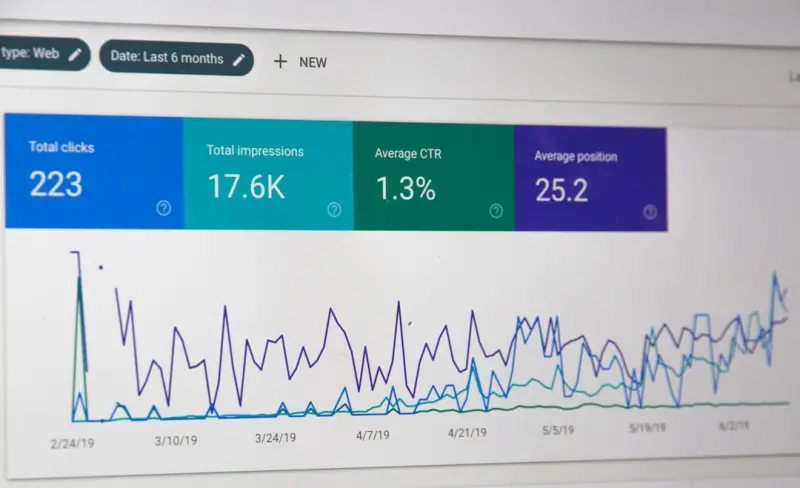
Zero-Click Search: Turning SERP Real Estate into Your Own Traffic Hub
Explore the rise of zero‑click search, learn tactics to dominate featured snippets and knowledge panels, and turn the SERP itself into a lasting source of bra...Read More
0 Comments
Post Comment
You will need to Login or Register to comment on this post!