

Why the Search Landscape Is Shifting Under Our Feet
The algorithmic tides that once rewarded keyword stuffing are receding, replaced by a nuanced user‑intent focus that feels almost like a conversation with Google itself. I’ve spent years watching SEO trends rise and fall, but nothing has felt as decisive as the pivot toward Intent‑First strategies, a shift that forces marketers to ask “what does the searcher truly want?” rather than “what phrase can I cram into a meta tag.” The result is a richer SERP ecosystem where relevance trumps volume, and the brands that listen are the ones that start to dominate the rankings.
Understanding Intent: The New Compass for Content
Intent isn’t a mysterious buzzword; it’s a concrete classification of user goals—informational, navigational, transactional, or commercial investigation—each demanding a distinct content approach. When I map a keyword to its underlying intent, I immediately see gaps: a blog post that only scratches the surface of a problem, or a product page that fails to answer pre‑purchase questions. By aligning copy with the precise stage of the buyer’s journey, we turn a simple search into a guided experience, and Google rewards that precision with higher visibility. This alignment is the cornerstone of the Why Intent‑First SEO Is Redefining Google Rankings discussion that’s been echoing through forums and conferences alike.
From Theory to Practice: Crafting Intent‑Driven Headlines
A headline is the first handshake between your content and the searcher’s mind, so it must echo the query’s intent while promising value. I start by dissecting the SERP features—featured snippets, “People also ask,” and related searches—to understand the exact phrasing users employ, then I weave those terms naturally into a compelling promise. For example, a query like “how to choose a DSLR for beginners” signals an informational intent; a headline that reads “Beginner’s Guide: Choosing the Perfect DSLR in 5 Easy Steps” satisfies that curiosity while hinting at actionable insight. This technique not only improves click‑through rates but also aligns with Google’s preference for clarity, a point reinforced in the Master Intent‑First SEO: Actionable Tips for Marketers guide.
Structuring Content for Intent Signals
Once the headline captures attention, the body must deliver on the promise with a logical flow that mirrors the user’s thought process. I break down each article into clearly labeled sections—using H2 for major intent blocks and H3 for sub‑questions—so both readers and crawlers can parse the hierarchy instantly. Within each block, I embed short, punchy sentences that answer a specific question, then enrich with examples, data points, or visual aids. This micro‑segmentation not only keeps the reader engaged but also feeds Google the semantic cues it needs to rank the page for multiple related queries, effectively turning one piece of content into a hub of intent‑aligned answers.
Optimizing On‑Page Elements Without Over‑Optimization
Meta titles, descriptions, and alt texts remain vital, yet the temptation to over‑stuff them with exact match keywords is a relic of the past. I now treat these elements as concise intent statements, each reinforcing the page’s primary purpose while inviting clicks. A meta title like “Ultimate Guide to Intent‑First SEO for Marketers” tells both Google and the searcher exactly what they’ll get, while a description that teases “Learn how to align content with user goals and boost conversions” adds a persuasive hook. By keeping the language natural and the keyword density low, we avoid penalties and signal authenticity—an approach that aligns perfectly with Google’s E‑A‑T guidelines.
Leveraging Internal Linking to Amplify Intent Cohesion
Internal links are the veins that circulate intent signals throughout a site, guiding both crawlers and users from one relevant piece of content to the next. I strategically anchor links with descriptive text that mirrors the target page’s intent, such as “Intent‑First SEO Tips: Align Content, Rank Higher, and Drive Real Conversions,” which instantly tells both the algorithm and the reader what to expect. By clustering related articles—like a series on intent classification, content mapping, and conversion tracking—we create a thematic network that boosts authority on the subject and encourages longer session durations, two metrics that Google increasingly values.
Measuring Success: Metrics That Matter in an Intent‑First World
Traditional SEO metrics like organic traffic volume still matter, but they’re no longer the sole barometer of success; we now prioritize engagement signals that reflect intent satisfaction. Bounce rate, dwell time, and scroll depth reveal whether the content answered the user’s question or left them searching elsewhere. I also monitor conversion paths, noting how many visitors move from an informational article to a product page—a clear indicator that the intent mapping is working. By setting up custom dashboards that track these nuanced metrics, we can iterate quickly, refining the alignment between search queries and the value we deliver.
Future‑Proofing Your SEO Strategy with Intent‑First Principles
Google’s AI‑driven models continue to get smarter at interpreting subtle nuances in user queries, meaning the intent‑first framework isn’t a passing fad but a long‑term foundation. I advise teams to embed intent analysis into every stage of the content lifecycle—from ideation and keyword research to creation, publishing, and post‑launch audits. This proactive mindset ensures that as search evolves—whether through voice search, visual queries, or multimodal results—your content remains relevant and primed for the next algorithmic wave. In short, mastering intent today safeguards your rankings tomorrow.
Putting It All Together: A Simple Checklist for Immediate Impact
To make the shift tangible, I’ve distilled the process into a quick checklist: (1) Identify the primary intent behind target keywords; (2) Craft headlines that echo that intent; (3) Structure content with clear, intent‑aligned sections; (4) Write meta elements as concise intent statements; (5) Add internal links with descriptive anchor text; (6) Track engagement and conversion metrics; (7) Iterate based on data. By following these steps, you’ll see not just higher rankings but also deeper user satisfaction, a win‑win that embodies the spirit of modern SEO. Start today, and watch the ripple effect of intent‑first optimization transform your organic presence.

When it comes to the world of blogging and writing, Rose DesRochers is a name that stands out. Her passion for creating quality content and connecting with her audience has made her a trusted voice in the industry. Aside from her skills as a writer and blogger, Rose is also known for her compassionate nature.
Related Posts

Scaling SaaS Visibility: A Practical Guide to International SEO
International SEO is more than translation—it's a strategic blend of technical setup, localized co... Read More
Why Intent-First SEO Is the Secret Weapon Modern Marketers Need
Learn why Intent‑First SEO is the game‑changing approach modern marketers need to rank higher, e... Read More

Why Intent‑First SEO Is Redefining Google Rankings
Explore the shift to Intent‑First SEO, why it matters for Google rankings, and practical steps to ... Read More
Top Posts
Surf the 2024 Google SEO Wave: Rose DesRochers’ Insider Playbook for Intent, AI, and Authority
Rose DesRochers reveals how to dominate 2024 Google rankings by mastering user intent, responsibly leveraging AI, and building real authority—plus a step‑by...Read More
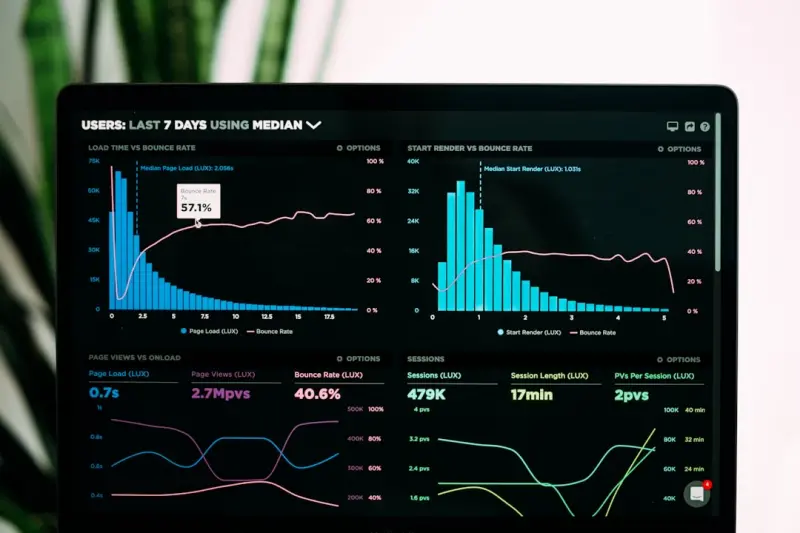
Zero‑Party Data: Turning Customer Consent into a Marketing Superpower
Zero‑party data lets SaaS marketers capture direct, consent‑based insights from prospects, enabling hyper‑personalized campaigns, higher conversion rates,...Read More

Mastering Gutenberg: SEO‑Ready WordPress Blocks for Maximum Visibility
Learn to build SEO‑optimized Gutenberg blocks that combine semantic markup, structured data, and performance tweaks, turning every WordPress page into a ranki...Read More
Unlocking Technical SEO for Headless & Edge-Powered Sites
Learn practical technical SEO tactics for headless and edge‑powered websites, from crawl budget management to dynamic rendering and international hreflang str...Read More
0 Comments
Post Comment
You will need to Login or Register to comment on this post!