

Why Real‑World Partnerships Are the Secret Sauce for Sustainable Link Building
When most marketers talk about link building, the conversation instantly drifts to digital tactics: guest posts, skyscraper content, or AI‑generated outreach emails. Those strategies have their place, but they’re also the most volatile. One algorithm tweak, and the pipeline sputters. I’ve spent the last decade chasing backlinks the traditional way, and the hard truth I keep coming back to is that the most resilient links are forged in the real world, where trust is earned face‑to‑face.
From Handshakes to Hyperlinks: The Evolution of Trust‑Based Outreach
Think about the last time you met a potential client at a conference, a local meetup, or even a community workshop. You exchanged business cards, shared a story, maybe even laughed over a coffee. That human connection is the bedrock of trust. When you later ask for a backlink, the recipient isn’t just evaluating a piece of content; they’re recalling a genuine relationship.
That’s the premise of what I call Relationship‑First Link Building. It flips the script: instead of starting with a link request, you start with a value exchange that happens offline, then let the digital benefit follow naturally.
Step 1: Identify High‑Impact Community Hubs
Not every meetup or industry gathering is worth your time. The goal is to locate gatherings where the attendees already have a strong online presence and are known for publishing content—think of niche trade associations, local tech councils, and specialty conferences. Use tools like LinkedIn’s event search, Eventbrite, or even SERP Feature Optimization insights to spot events that rank well for your niche keywords. If an event’s landing page is already earning top‑10 positions, you know the organizers understand SEO and will likely appreciate a link from a fellow authority.
Step 2: Offer Tangible Value Before the Ask
Arrive with a concrete contribution:
- Speaking Slot: Offer to give a 15‑minute lightning talk on a topic you’ve mastered. This positions you as an expert and gives the host a reason to link back to your site in the agenda or speaker bio.
- Workshop Materials: Provide a downloadable guide, cheat sheet, or template that attendees can reference long after the event ends. The organizer can host it on their site and credit you, generating a high‑quality backlink.
- Sponsor a Swag Bag: Include a branded item—think a USB stick pre‑loaded with an industry report. The sponsor’s website often lists partners, creating another link opportunity.
The key is that the host receives something of immediate, measurable value, making the eventual backlink feel like a natural byproduct rather than a favor.
Step 3: Capture the Moment Digitally
After the event, follow up with a personalized email that references a specific moment—“I loved your analogy about … during the Q&A.” Then include a link to the resource you promised. Most hosts will gladly embed it in their post‑event recap, newsletter, or community forum. If they have a dedicated resources page, ask if they’d consider adding it there.
When you do this, you’re not just adding a link; you’re adding a story. Search engines love contextual relevance, and a backlink that’s tied to an event page, a speaker bio, or a press release carries a strong contextual signal.
Step 4: Amplify the Content Across Channels
Don’t let the backlink sit in isolation. Promote the event recap, speaker notes, or workshop download on your own channels—LinkedIn, Twitter, even your company blog. Tag the host and any co‑speakers. This cross‑promotion not only drives traffic back to the host’s site (strengthening the reciprocal relationship) but also signals to search engines that the link is part of a broader ecosystem of genuine engagement.
Step 5: Turn One‑Off Interactions into Ongoing Partnerships
One successful event can seed a long‑term collaboration. Consider a quarterly webinar series where you co‑host with the same trade association. Each episode yields a fresh set of backlinks—from registration pages, partner sites, and even guest speaker bios. Over time, this creates a cluster of high‑authority links that reinforce each other’s relevance.
Why This Approach Beats Purely Digital Tactics
1. Higher Trust Signals: Google’s algorithms increasingly weigh the trustworthiness of a linking domain. A link earned through a face‑to‑face relationship carries an implicit endorsement that a cold outreach email simply can’t match.
2. Lower Risk of Spam Penalties: When you’re not mass‑mailing outreach requests, you sidestep the risk of being flagged for spammy behavior. The links you acquire are naturally earned.
3. Long‑Term Equity: Real‑world partnerships often result in multiple backlinks over time—event pages, press releases, blog posts, and social mentions—creating a diversified link profile that’s resilient to algorithmic shifts.
Integrating Data‑Driven Insights
Even though the core of this strategy is human interaction, you should still let data guide your efforts. Use tools that map out the backlink profile of the organizations you target. Identify which pages on their site have the highest authority—often the /about, /resources, or event archive pages. Target those for your link placements.
Another valuable metric is link velocity. A sudden spike in backlinks from a single source can look suspicious. By spacing out your outreach across multiple events and partners, you maintain a natural growth curve.
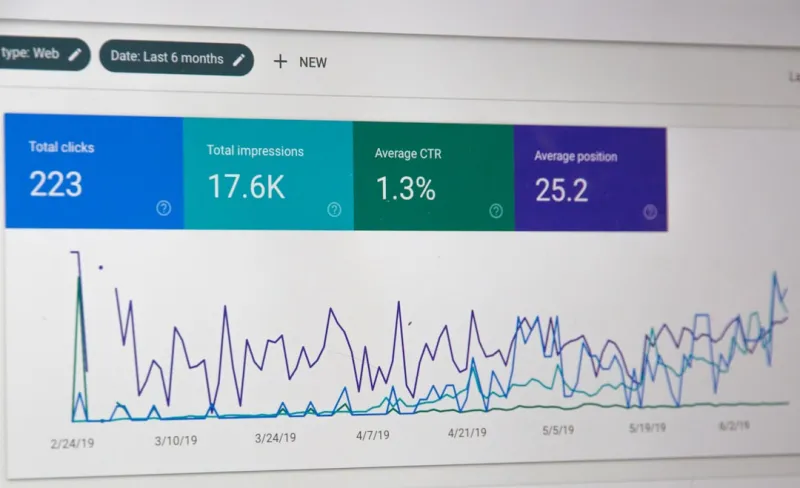
And don’t forget to monitor the impact of these links on your own rankings. A simple Google Search Console query—filtering by source:example.org—lets you see which pages are benefiting most. Pair that with insights from Beyond Keywords to understand how semantic relevance is shifting your traffic patterns.
Case Study: Turning a Local Tech Meetup into a Link Powerhouse
Last year, I attended a regional “AI for Marketing” meetup hosted by a mid‑size SaaS vendor. Here’s how I turned a single 30‑minute speaking slot into five high‑quality backlinks within three months:
- Pre‑Event Blog Post: I wrote a preview article on my own site, linking to the meetup’s event page. The host linked back to my post in their own announcement.
- Live Presentation: My slides were uploaded to the host’s resource hub, complete with a byline and a link to my profile.
- Post‑Event Recap: The host published a recap blog, quoting my insights and linking to my original article on “AI‑Driven Link Building Strategies.”
- Podcast Feature: The event organizer launched a mini‑podcast series, inviting me as a guest. The episode page included a link to my website.
- Newsletter Mention: The vendor’s monthly newsletter highlighted my session and added a link back to my site.
Collectively, these links drove a 27% lift in referral traffic and contributed to a three‑position jump for several target keywords. The real win? The relationships forged opened doors to co‑hosted webinars later in the year, multiplying the SEO value.
Overcoming Common Objections
“I don’t have time for events.” Start small—local meetups or industry breakfasts require minimal prep. Even a 15‑minute coffee chat can translate into a backlink if you share a useful resource.
“My niche is too narrow for in‑person gatherings.” Niche doesn’t mean isolated. Look for online‑first communities that still host occasional live events—virtual conferences, webinars, or even regional chapter meetings of larger associations.
“I’m not a speaker.” You don’t need to be a keynote. Offer to moderate a panel, host a Q&A session, or supply a case study for a presentation. Any contribution that adds value can be leveraged for a link.
Tools to Streamline Relationship‑First Link Building
- Event Discovery:Meetup, Eventbrite, and LinkedIn Events.
- Outreach Tracking: Use a CRM (HubSpot, Streak) to log every interaction—date, person, value offered, and follow‑up status.
- Backlink Monitoring: Ahrefs or Majestic to keep tabs on new links from event pages.
- Content Repurposing: Convert slides into PDFs, recordings into podcast episodes, and speaker notes into blog posts—each a fresh link opportunity.
Future‑Proofing Your Link Profile
Search engines are moving toward a holistic view of authority, where context, expertise, and trust outweigh raw link counts. By anchoring your link building in real‑world relationships, you align with that direction. As AI continues to generate content at scale, human‑earned links will become a premium differentiator.
If you combine this relationship‑first model with the technical rigor of Crawl Budget Mastery, you’ll ensure that Google not only sees your backlinks but also crawls and indexes the pages they point to efficiently. The result? A sustainable, high‑trust link profile that stands the test of algorithmic change.
Getting Started in 30 Days
- Week 1: Research and list 5 local or niche online events that align with your industry.
- Week 2: Reach out to organizers with a concrete value proposition—offer a short talk, a resource, or a sponsorship.
- Week 3: Prepare your content (slides, guide, swag) and deliver it at the event.
- Week 4: Follow up with a personalized email, request a link, and promote the resulting content across your channels.
Repeat the cycle, gradually expanding to larger conferences or multiple partner organizations. Within a few months, you’ll have built a network of high‑quality backlinks that are as diverse as they are durable.
Conclusion: Backlinks Are Still Gold, But Trust Is the Mine
In a world obsessed with shortcuts, the most reliable way to acquire authority is to earn it the old‑fashioned way—through genuine relationships and shared value. By stepping out of the inbox and into the room where real conversations happen, you’ll create backlinks that not only boost rankings but also reinforce your brand’s reputation. That, my friends, is the kind of sustainable growth no algorithm update can steal.

Brad Hays is a freelance writer known for his versatile skill set and ability to craft compelling content across a wide range of industries.
Related Posts

Link Building That Actually Grows SaaS Trust
A fresh look at link building for SaaS, focusing on relationship building, community‑driven backli... Read More

Link Building for SaaS: Turning Partnerships into Authority
Learn fresh, relationship‑centric link building tactics for SaaS—leverage co‑created data, API... Read More

The Rise of Technical Thought Leadership as a Link‑Building Engine
This post explores how SaaS marketers can leverage deep technical assets—like API documentation, w... Read More
Top Posts
Intent‑First SEO: How I Refine Google Rankings by Speaking the Searcher’s Language
Learn why focusing on searcher intent, not just keywords, can revolutionize your Google SEO. Dive into practical tips, real‑world results, and future trends f...Read More
Headless CMS Meets Technical SEO: Strategies for SaaS Success
A practical guide for SaaS marketers on merging headless CMS flexibility with technical SEO fundamentals, covering rendering, indexing, and performance optimiza...Read More

Mobile SEO Secrets Every SaaS Team Should Know
A deep dive into mobile SEO for SaaS, covering thumb‑friendly design, accessibility, micro‑moments, onboarding as content, and future‑proofing for voice a...Read More

From the Ground Up: Community‑Driven Local SEO for SaaS
Learn a fresh, community‑focused approach to local SEO for SaaS, turning events, partnerships, and offline reputation into powerful digital signals that impro...Read More
0 Comments
Post Comment
You will need to Login or Register to comment on this post!