

Why “Just Keywords” Won’t Cut It Anymore
When I first started buying search ads for a fledgling SaaS startup, the playbook was simple: research a list of high‑volume keywords, set up ad groups, and let the platform’s relevance engine do the rest. Fast forward a few years, and that checklist feels archaic. Search engines have become far smarter at interpreting intent, context, and even the visual cues surrounding a query. If our paid campaigns still cling to a “keyword‑only” mindset, we’re essentially shouting into a void while our competitors are whispering directly into the ears of prospects.
From Keywords to Meaning: The Semantic Shift in SEM
Semantic search isn’t just a buzzword reserved for organic SEO. It’s the engine under the hood of modern paid search platforms, enabling them to match ads with the meaning behind a query rather than the exact string of characters. This evolution is driven by advances in natural language processing (NLP) and machine learning that allow Google, Bing, and other networks to recognize synonyms, related concepts, and even user intent across entire search sessions.
For B2B SaaS marketers, this opens a brand‑new frontier: we can now target users based on the problem they’re trying to solve, not just the exact phrase they typed. Think “how to streamline onboarding” versus “employee onboarding software.” Both signals indicate a buyer who’s in the evaluation phase, and a semantic‑aware platform can serve the same ad to both.
Mapping User Intent to Ad Copy
Semantic targeting starts with a deep dive into search intent. Broadly, intent falls into three buckets:
- Informational: The user is researching. Example: “what is churn rate.”
- Navigational: The user wants a specific brand or product. Example: “HubSpot pricing.”
- Transactional: The user is ready to buy or sign up. Example: “enterprise SaaS trial.”
Instead of grouping all these queries into a single keyword list, we should create intent‑based ad groups. Each group gets tailored copy that mirrors the user's mental state. An informational ad might highlight a free ebook (“Download our 2024 Churn Benchmark Report”), while a transactional ad pushes a limited‑time trial (“Start your 30‑day free trial now”). This alignment boosts Quality Score, lowers CPC, and improves conversion rates.
Building Contextual Audiences Using Semantic Signals
Modern platforms let you layer contextual audience segments on top of keyword targeting. These segments pull from on‑site behavior, content consumption patterns, and even third‑party data to create a richer picture of a user’s needs.
Here’s a quick framework:
- Identify Core Topics – Map the top‑level problems your product solves (e.g., “customer onboarding,” “data security,” “workflow automation”).
- Harvest Semantic Signals – Use tools like Google’s Keyword Planner, SEMrush, or AI‑driven content analyzers to discover related terms, questions, and long‑tail phrases that cluster around each topic.
- Segment by Purchase Funnel – Create separate audience buckets for “researching solutions,” “comparing vendors,” and “ready to purchase.”
- Apply to Campaigns – In your ad platform, assign these audience segments to relevant ad groups, allowing the algorithm to serve ads when the semantic match is strongest.
By marrying intent‑based ad groups with contextual audiences, you move from a “one‑size‑fits‑all” approach to a dynamic, relevance‑driven system.
Creative Optimization Powered by Semantic Data
Ad copy is no longer just a set of static headlines and descriptions. With semantic insights, you can programmatically swap in variables that resonate with the searcher’s specific context. For example:
- Dynamic insertion of industry‑specific jargon (“Reduce SaaS churn for FinTech teams”).
- Highlighting the exact pain point detected (“Struggling with data compliance?”).
- Using call‑to‑action language that mirrors the user’s intent (“Get your compliance audit now”).
This approach dovetails nicely with Predictive Bidding strategies. While predictive models forecast the likelihood of conversion, semantic creative ensures that the ad’s message aligns perfectly with that predicted intent, creating a powerful feedback loop.
Leveraging First‑Party Data Without Breaking Privacy
Even as privacy regulations tighten, first‑party data remains a goldmine for semantic targeting. By analyzing on‑site search queries, content downloads, and product demo requests, you can extract high‑value intent signals that are both privacy‑compliant and incredibly precise.
Here’s how to operationalize it:
- Collect Intent Signals – Capture search terms entered on your website, pages visited, and resources downloaded.
- Map to Semantic Themes – Tag each signal with a theme from your core topics (e.g., “security compliance,” “team collaboration”).
- Create Custom Audiences – Upload these audience lists into your ad platform, using them to trigger semantic ad groups.
- Close the Loop – Feed conversion data back into your mapping to refine theme accuracy over time.
This closed‑loop system ensures you’re always speaking the language of your most engaged prospects.
New Success Metrics for Semantic SEM
Traditional SEM metrics—click‑through rate (CTR), cost per click (CPC), and conversion rate—still matter, but they don’t capture the full value of semantic relevance. Consider adding these to your dashboard:
- Intent Match Score – A proprietary or third‑party metric that rates how closely an ad’s copy aligns with detected user intent.
- Semantic Quality Score – Similar to Google’s Quality Score but weighted toward contextual relevance rather than exact keyword matches.
- Engagement Depth – Measures actions taken after the click (e.g., time on site, pages per session) that indicate the user found the content truly relevant.
Tracking these KPIs helps you justify investments in semantic creative and audience segmentation, and it surfaces opportunities for further optimization.
Integrating Semantic SEM Into Existing Workflows
Adopting a semantic approach doesn’t mean scrapping your existing SEM infrastructure. Instead, think of it as an upgrade layer:
- Audit Current Keyword Lists – Identify high‑performing keywords and map them to broader semantic themes.
- Build Semantic Themes – Use the framework from the “Contextual Audiences” section to create theme clusters.
- Revamp Ad Groups – Reorganize around themes, ensuring each group has intent‑aligned copy.
- Implement Dynamic Creative – Use ad platform features (e.g., responsive search ads) to insert semantic variables.
- Set Up New Reporting – Add the Intent Match Score and Semantic Quality Score to your regular SEM reports.
This phased rollout minimizes disruption while delivering immediate relevance gains.
The Future: AI‑Driven Semantic Automation
We’re on the cusp of fully automated semantic SEM. Imagine a system that ingests real‑time search trends, automatically generates intent‑based ad copy, and allocates budget to the highest‑performing semantic clusters—all without human intervention. While we’re not there yet, the building blocks—advanced NLP models, programmatic ad platforms, and rich first‑party data—are already in place. Marketers who master semantic targeting now will be the ones best positioned to leverage that next wave of AI‑driven automation.
Quick Takeaways
- Move beyond exact‑match keywords; focus on the meaning behind queries.
- Segment audiences by intent and align ad copy accordingly.
- Use first‑party data to enrich semantic signals while staying privacy‑compliant.
- Integrate dynamic, intent‑driven creative to boost relevance and Quality Score.
- Track new metrics like Intent Match Score to measure semantic performance.
- Start small, iterate, and gradually layer semantic strategies onto your existing SEM stack.

Brandy Miller is a dynamic freelance writer based in the vibrant city of Cambridge, Ontario. With a passion for storytelling that knows no bounds, she crafts compelling narratives that captivate and inspire. Brandy’s love for writing shines through in her versatile work, whether she’s penning thought-provoking articles or engaging content that resonates with readers. Her unique perspective and friendly tone make her a sought-after voice in the writing community. When she’s not weaving words together, you can find her exploring the beautiful landscapes of Ontario, always seeking new adventures and inspiration for her next piece. Brandy is not just a writer; she’s a creative force, making her mark one word at a time.
Related Posts
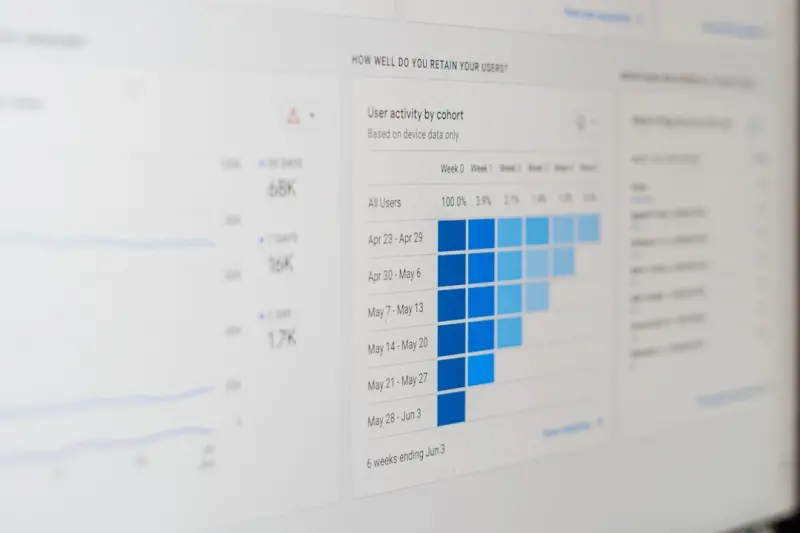
Breaking the SEM Ceiling: A Data‑First Playbook to Beat Creative Fatigue
Creative fatigue drags down SEM performance, but a disciplined, data‑first refresh framework can r... Read More
The Real‑Time Bidding Playbook: How SEM Is Evolving Faster Than Your CPC
Explore the shift to real‑time bidding, predictive audiences, and privacy‑first strategies that ... Read More

Zero‑Click SEM: Redefining Paid Search for an Attention‑First Era
Explore a fresh SEM strategy that thrives in a zero‑click world, using ad extensions, TikTok, and ... Read More
Top Posts

Turning Mobile Core Web Vitals into a SaaS Growth Engine
A step‑by‑step guide shows SaaS teams how to measure, prioritize, and optimize Mobile Core Web Vitals, aligning engineering and SEO to accelerate rankings a...Read More

Riding the Intent‑First Wave: Fresh Strategies for Google SEO
Learn how to shift from keyword‑centric tactics to intent‑first SEO, using user intent to reshape content, architecture, and metrics for sustainable Google ...Read More

Turning Customer Video into Conversion Fuel: A New eCommerce Playbook
Learn how to collect, optimize, and distribute authentic video reviews to boost conversions, strengthen brand loyalty, and stay ahead of emerging eCommerce tren...Read More

How Subscription eCommerce Can Capture Search Real Estate
Discover how to dominate search results for subscription‑based eCommerce by building dedicated landing pages, creating long‑tail narrative content, optimizi...Read More
0 Comments
Post Comment
You will need to Login or Register to comment on this post!