

Why the Search Engine Landscape Is Shifting Faster Than Ever
When I first started tinkering with search in the early 2010s, the biggest headache was figuring out which meta tag would finally please the crawlers. Fast forward to today, and the conversation has moved from tags to real‑time multimodal signals, from static keyword lists to dynamic, AI‑generated snippets that can answer a prospect’s question before they even finish typing. For SaaS marketers, this evolution isn’t just a technical curiosity—it’s a survival imperative. If you’re still building content around the old “keyword‑first” playbook, you’re effectively shouting into a void that Google has already decided to ignore.
The Rise of Multimodal Search: Images, Video, Code, and Beyond
Google’s latest SERP experiments now blend text, images, video clips, and even executable code snippets into a single, scrollable experience. The traditional “ten blue links” model is giving way to a rich carousel that can surface a product demo, a code example, a data chart, and a short answer—all in the same viewport. For B2B SaaS companies, this means the value of a single blog post is diluted unless it can be parsed into multiple formats that Google can surface independently.
What does this look like in practice? Imagine a prospect searching for “how to integrate OAuth 2.0 with a SaaS platform.” Instead of landing on a long‑form guide, Google might surface:
- An image carousel showing architecture diagrams.
- A short code snippet that authenticates a token.
- A 30‑second video walkthrough of the OAuth flow.
- A concise, AI‑generated answer summarizing the steps.
If any of those assets are missing from your content ecosystem, your brand gets sidelined by competitors who have already prepared them.
Real‑Time Ranking Signals: From Crawl to Click in Milliseconds
Google’s indexing pipeline has become dramatically more agile. With the rollout of the deep dive into server logs, we now know that the search engine evaluates user interaction data—like dwell time on a snippet or bounce rate from a featured video—in near‑real time. In other words, the moment a piece of content is served, Google begins to judge its relevance based on how users react to it, and those judgments can swing rankings within hours.
This shift forces SaaS marketers to think like a product team: constantly monitoring performance metrics, A/B testing snippet variations, and iterating on assets the moment you see a dip. Traditional “set‑and‑forget” SEO tactics are dead; the new mantra is continuous, data‑driven refinement.
Privacy‑First Search: The Cookieless Future Is Already Here
Google’s announcement that third‑party cookies will be fully deprecated has been echoed by every major browser in the last twelve months. The fallout is not just a loss of tracking pixels—it’s a fundamental re‑architecting of how search engines infer user intent without invasive data collection.
Enter “privacy‑first signals.” Instead of relying on cross‑site identifiers, Google now leans heavily on first‑party signals (like site search behavior, on‑page engagement, and schema‑driven context) and aggregate, anonymized data pools. For SaaS companies, the strategic implication is clear: double‑down on structured data, build robust internal search experiences, and make sure every piece of content can stand alone with clear, machine‑readable context.
One practical tip: embed FAQPage and HowTo schema not just on support pages but also on product tutorials, pricing breakdowns, and onboarding guides. This gives Google a richer semantic map of your site, which can be leveraged when personal data signals are no longer available.
Strategic Content Atomization: From Long‑Form to Micro‑Assets
The era of “pillar pages” is evolving into an era of “content atoms.” A single, well‑researched whitepaper can be broken down into:
- Infographic snippets for visual SERP slots.
- Short, 60‑second explainer videos for the new video carousel.
- Code blocks or JSON‑LD snippets for technical queries.
- Interactive Q&A widgets that Google can surface as a conversational answer.
This atomization strategy not only satisfies the multimodal SERP but also fuels the real‑time ranking engine described earlier. Each micro‑asset becomes a data point that Google can evaluate, increasing the overall “signal density” of your brand in search results.
How to Future‑Proof Your SEO Stack for Multimodal & Privacy‑First Search
Below is a practical, step‑by‑step playbook that SaaS teams can adopt immediately:
- Audit Existing Assets: Catalog every piece of content and tag it with potential modalities (text, image, video, code, schema).
- Implement a Modular Content Framework: Use a CMS that supports content blocks that can be exported as JSON, Markdown, or HTML fragments, making it easy to repurpose across formats.
- Standardize Structured Data: Apply
FAQPage,HowTo,Product, andSoftwareApplicationschema to every relevant page. Validate with the Rich Results Test before publishing. - Integrate Real‑Time Monitoring: Set up alerts in your analytics suite for sudden changes in click‑through rate (CTR) on featured snippets or video carousels. Pair this with server‑log analysis to trace the cause.
- Build First‑Party Intent Signals: Deploy on‑site search analytics, heatmaps, and session replay tools to understand how users navigate your content without relying on third‑party cookies.
- Leverage Internal Linking as Signal Amplifier: Create a “semantic hub” where each micro‑asset links back to its parent pillar, reinforcing topical relevance for both users and crawlers.
- Test Multimodal SERP Placement: Use the AI‑driven search summaries guide as a reference point for how Google might surface a concise answer from your content. Iterate on the wording and markup until you achieve a featured snippet.
By treating each micro‑asset as a live experiment, you’ll be able to pivot quickly as Google’s multimodal algorithms continue to evolve.
What the Competition Is Already Doing (And Why You Should Care)
Several forward‑thinking SaaS firms have already begun publishing “code‑first” SEO assets. They host public GitHub repos that contain ready‑to‑run snippets, and they embed those snippets directly into their documentation pages with proper schema.org markup. When a developer searches for “OAuth 2.0 flow example,” the repository’s README appears as a rich code block in the SERP, driving high‑intent traffic without a single click.
Another emerging tactic is the use of interactive schema‑driven calculators. A pricing calculator that’s fully described with Action and EntryPoint schema can show up as an interactive widget right in the search results, letting prospects adjust variables without leaving Google. This not only boosts brand visibility but also captures leads at the exact moment of intent.
Measuring Success in a Multimodal World
Traditional SEO KPIs—organic traffic, keyword rankings, and backlink count—remain valuable, but they no longer tell the full story. Add these metrics to your dashboard:
- Snippet CTR: Percentage of impressions that lead to a click from a featured snippet, video carousel, or code block.
- Micro‑Asset Engagement: Average view duration for short videos, scroll depth for infographics, and execution success rate for code snippets.
- First‑Party Intent Score: A composite metric derived from on‑site search queries, dwell time, and interaction depth, normalized across sessions.
- Schema Validation Rate: Percentage of pages passing Google’s structured‑data testing tools without warnings.
When you track these alongside the classic metrics, you’ll quickly see which modalities are delivering ROI and where you need to double‑down.
Final Thoughts: Embrace the Chaos, Own the Signal
The search engine is no longer a static index; it’s a live, multimodal recommendation engine that rewards brands that can speak the same language as its AI models. By atomizing your content, investing in first‑party intent signals, and treating each SERP slot as a product feature, you position your SaaS business to thrive in the privacy‑first, real‑time world that lies ahead.
If you’re still relying solely on long‑form blog posts and backlink outreach, you’re betting on a dying model. The future belongs to those who can turn every piece of knowledge into a searchable, machine‑readable, and user‑friendly asset—today.

Tom Ferguson is a Canadian freelance writer with a passion for storytelling, current events, and thoughtful commentary. Drawing on years of writing experience, he shares engaging insights on a wide range of topics, bringing a uniquely Canadian perspective to his work.
Related Posts

Riding the 2024 SEO Wave: Rose DesRochers Decodes the Latest Google Shifts
Rose DesRochers breaks down the latest Google algorithm changes, showing how intent, AI, and authori... Read More

The Intent‑First Wave Is Changing SEO News
Explore the rise of intent‑first SEO, its impact on rankings, and practical tactics you can implem... Read More

Schema-Driven SEO: Turning SaaS Features into SERP Gold
Learn how to use schema markup—SoftwareApplication, FAQPage, Review, and more—to transform SaaS ... Read More
Top Posts

WordPress SEO for SaaS: Taxonomies, Silos & Internal Linking
A practical guide showing SaaS marketers how to turn WordPress categories, custom taxonomies, and internal linking into a powerful SEO engine, with actionable s...Read More

Beyond Clicks: A New Playbook for SaaS Digital Marketing Attribution
A modern SaaS marketer needs more than last‑click data. This post outlines a holistic attribution playbook that unites customer data platforms, micro‑influe...Read More
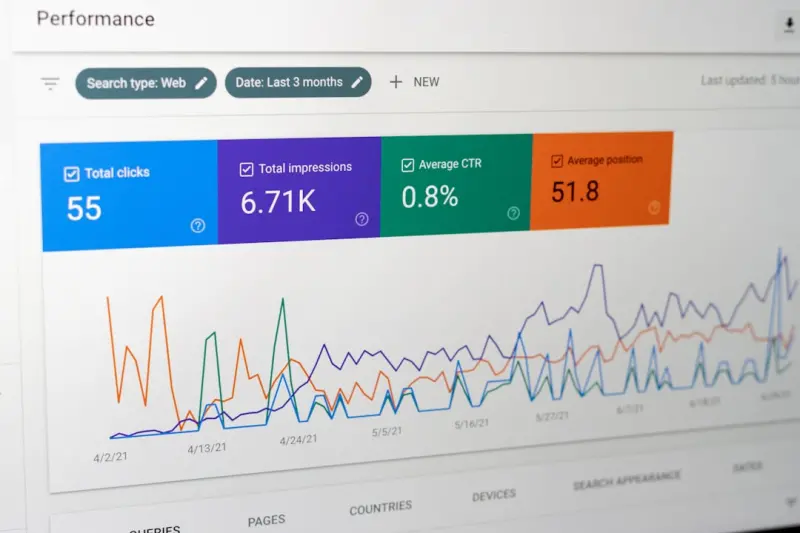
From Search Data to Product Growth: Leveraging Google Search Console for SaaS Success
Discover how treating Google Search Console as a product‑management dashboard can reveal feature gaps, prioritize content, and drive revenue for SaaS business...Read More

Riding the 2024 SEO Wave: Rose DesRochers’ Proven Strategies for Intent, AI, and Authority
Rose DesRochers shares her 2024 SEO roadmap, blending intent analysis, AI collaboration, authority building, and technical upgrades to help you surf the ever‑...Read More
0 Comments
Post Comment
You will need to Login or Register to comment on this post!