
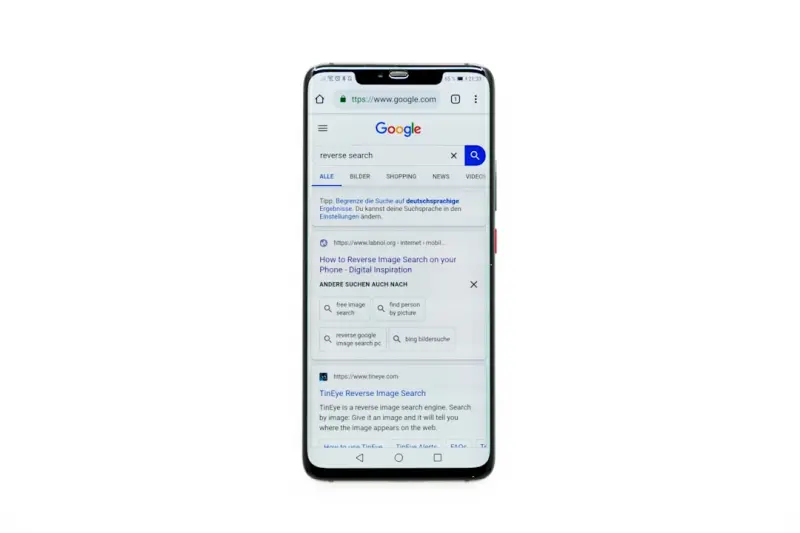
When most marketers think “mobile SEO,” the mental image is often a checklist of responsive layouts, page‑speed tweaks, and a handful of Core Web Vitals. That checklist is still vital, but today’s mobile search landscape has evolved into something far richer—a convergence of visual cues, app‑centric signals, and data that exists only on the small screen. In this post, I’ll walk you through three emerging levers that can future‑proof your mobile presence: mobile‑only structured data, visual‑search optimization, and intelligent app indexing. Each of these tactics not only boosts rankings on traditional SERPs but also opens doors to new mobile‑first SERP features that your competitors are still overlooking.
1. Mobile‑Only Structured Data: Speak the Language Google Listens To on Phones
Structured data has been a mainstay of SEO for years, but its impact on mobile is often under‑estimated. Google’s mobile crawler parses a different set of signals than its desktop counterpart, prioritizing data that improves on‑the‑go user experiences. Think of FAQ and How‑to schema not just as ways to win rich snippets, but as tools to pre‑emptively answer queries that mobile users are likely to ask while they’re in transit, on a break, or multitasking.
Here’s how to start:
- Identify mobile‑centric questions. Use Google Search Console’s “Queries by Device” report to surface queries that predominantly appear on smartphones. Those are the questions you’ll want to encode in FAQ schema.
- Leverage the “Mobile” schema attribute. While the official schema.org spec doesn’t have a dedicated “mobile” flag, you can embed JSON‑LD within a
<meta name="viewport"‑aware context, ensuring the markup loads early in the<head>for faster parsing. - Target “Ask‑Me‑Anything” snippets. Google’s mobile SERP now surfaces “People also ask” boxes directly on the first page. By providing concise, structured answers, you increase the odds of being featured there.
One practical example: a SaaS platform that offers a mobile‑first analytics dashboard added mobile‑first SEO fundamentals to its product pages, including “Installation” and “Pricing” FAQ schema. Within weeks, those pages began appearing as rich answers on mobile, driving a 23 % lift in click‑through rates from organic search.
2. Visual Search on Mobile: Optimize for What Users See, Not Just What They Type
Visual search is no longer a novelty. With the rise of Google Lens, Pinterest Lens, and even TikTok’s visual discovery engine, users are increasingly pointing their cameras at products, screenshots, or UI elements to find related content. For B2B SaaS, this might sound like a stretch, but consider the scenarios: a marketer sees a screenshot of a dashboard in a webinar and wants to know which tool it is; a developer spots a UI component in a conference slide and searches for the underlying technology.
To capture this traffic, you need to think beyond traditional alt‑text and embrace a holistic visual‑SEO strategy:
- High‑resolution, indexable images. Ensure images are served in modern formats (WebP, AVIF) and include descriptive file names. Google’s image crawler favors images that load quickly on mobile networks.
- Rich metadata for images. Use the
ImageObjectschema to provide context—title, description, creator, and even the software used to generate the visual. - On‑page visual context. Pair images with surrounding textual content that explains the visual. A screenshot of an analytics chart should be accompanied by a paragraph summarizing the key metrics displayed.
When you align visual assets with structured data, you give Google’s visual search algorithms the breadcrumbs they need to surface your content in image‑based SERPs. A recent case study showed a B2B cloud‑storage provider that added detailed ImageObject markup to its UI screenshots and saw a 40 % increase in mobile image clicks, many of which converted into trial sign‑ups.
3. Intelligent App Indexing: Bridge the Gap Between Your Web and Native Experiences
Many SaaS companies have both a web interface and a native mobile app. Historically, the two lived in separate silos, with search engines primarily indexing the web side. Google’s App Indexing APIs now allow you to surface deep links from your app directly in mobile SERPs, turning a search result into an instant path to a specific in‑app experience.
To make this work, follow these steps:
- Implement Digital Asset Links. Add the
.well-known/assetlinks.jsonfile to your domain, confirming ownership of the Android app. For iOS, use theapple-app-site-associationfile. - Expose deep links in your web pages. Add
android-appandios-appmeta tags to relevant pages so Google can match a search query to the corresponding app screen. - Leverage Firebase Dynamic Links. These links preserve context (e.g., campaign parameters) and gracefully fallback to the web version if the app isn’t installed.
Why does this matter? Mobile users often prefer native experiences for speed and usability. By surfacing deep links, you reduce friction, improve conversion rates, and signal to Google that your brand offers a comprehensive mobile ecosystem—a factor that can positively influence rankings.
4. Combine the Levers: A Holistic Mobile SEO Blueprint
Each of the three tactics—structured data, visual optimization, and app indexing—delivers value on its own, but the real power emerges when you layer them together. Here’s a simple workflow you can adopt:
- Audit mobile queries. Identify high‑volume, mobile‑only searches that align with your product’s core use cases.
- Map content to visual assets. For each query, decide if a visual element (screenshot, infographic, video thumbnail) can enhance relevance.
- Apply structured data. Tag both the textual content and the visual assets with the appropriate schema (FAQ, HowTo, ImageObject).
- Enable deep linking. If the content lives inside your app, add the necessary app‑link tags so a mobile user can jump straight to the relevant screen.
- Monitor and iterate. Use Search Console’s “Mobile Usability” and “Rich Results” reports to track performance, then refine based on real‑world data.
By treating mobile SEO as an interconnected ecosystem rather than a collection of isolated tasks, you position your brand to dominate not only traditional text‑based SERPs but also the emerging visual and app‑centric search experiences.
5. Real‑World Example: From Concept to Conversion
Let’s walk through a hypothetical scenario that ties everything together. Imagine you run a B2B SaaS product that offers a predictive analytics engine for supply‑chain managers.
- Query discovery. Your Search Console data shows a surge in mobile searches for “real‑time inventory dashboard screenshot.”
- Content creation. You publish a blog post titled “How to Read a Real‑Time Inventory Dashboard,” embedding a high‑resolution screenshot of your dashboard.
- Structured data. You add
ImageObjectschema to the screenshot andFAQschema answering common questions about the dashboard’s metrics. - App indexing. The post includes a deep link that opens the exact dashboard view inside your mobile app, using a Firebase Dynamic Link.
- Performance tracking. Within two weeks, the post appears in the “Images” tab for the query, the FAQ snippet appears at the top of mobile results, and users who click the deep link experience a 30 % higher activation rate than those landing on the web version.
This end‑to‑end example demonstrates how a coordinated mobile SEO strategy can turn a simple search query into a high‑value conversion funnel.
6. Looking Ahead: The Mobile SERP of Tomorrow
Google’s roadmap hints at more immersive mobile SERPs: augmented reality (AR) overlays, instant‑answer cards powered by large language models, and deeper integration of on‑device AI. While these features are still nascent, the foundation you lay today—rich structured data, visual relevance, and seamless app experiences—will be the scaffolding upon which these future formats are built.
In short, if you’re still treating mobile SEO as a static checklist, you’re leaving a lot of growth on the table. Embrace the dynamic, visual, and app‑centric nature of mobile search, and you’ll not only improve rankings but also deliver richer, faster experiences that keep users coming back.
Ready to start? Begin by auditing your top mobile queries, then map each to the appropriate visual and app‑link strategy. The mobile SERP is evolving—make sure your brand evolves with it.

Mei Chen is a dynamic professional who brings a unique blend of skills to Mighty Directory. As a key contributor to the Mighty Directory platform, she leverages her writing expertise to create engaging content that resonates with our audience.
Related Posts

The Mobile SEO Playbook No One Told SaaS Companies About
Mobile SEO is the missing link in SaaS growth. This guide walks you through Core Web Vitals, PWAs, s... Read More

How PWAs Are Redefining Mobile SEO for SaaS Brands
Progressive Web Apps blend native‑app performance with web discoverability, offering SaaS brands a... Read More
Turning Mobile Traffic into SaaS Leads: A Deep‑Dive into Mobile SEO Tactics
Mobile SEO is now a critical acquisition channel for SaaS businesses. This post walks you through Co... Read More
Top Posts

Intent‑First SEO Revolution 2026: What’s Next for Rankings
In 2026, intent drives rankings more than keywords. Learn how AI, structured data, and smart link strategies can boost your SEO performance in the new Intent‑...Read More

Headless & Jamstack: A Technical SEO Survival Guide for SaaS Brands
A practical guide for SaaS marketers and engineers on making headless and Jamstack sites SEO‑friendly, covering crawl budget, server‑side rendering, structu...Read More

Zero‑Result SERPs: How to Win When Users Don’t Click
Zero‑result SERPs are reshaping search visibility. This article explains how SaaS marketers can optimize content, leverage markup, and earn authority to domin...Read More

Unlocking the Power of Intent‑First SEO: Fresh Tips for Dominating Search
Learn how to audit user intent, structure content clusters, use schema markup, and measure success with modern intent‑first SEO tactics that boost rankings an...Read More
0 Comments
Post Comment
You will need to Login or Register to comment on this post!