

Why Micro‑Moments Are the Missing Link in Your Local SEO Strategy
When I first started dabbling in local search for the SaaS firms I advise, I thought the game was simple: claim your Google Business Profile, sprinkle a few citations, and wait for the traffic. Spoiler: that approach is as outdated as dial‑up. Today’s consumers act on micro‑moments—those split‑second instances when they turn to their phone, laptop, or voice assistant to satisfy an immediate need. If you can capture those moments, you’re not just ranking locally; you’re becoming the first answer in a user’s decision‑making flow.
Understanding the Three Types of Micro‑Moments
Google defines three core micro‑moments that dominate local intent:
- Know‑Now: The user is researching options (“best project‑management tools near me”).
- Do‑Now: The user is ready to act (“download a free trial SaaS app in my city”).
- Buy‑Now: The user is prepared to commit (“sign up for a local SaaS subscription”).
Each moment demands a different slice of content, schema, and UI. The trick is to align your local SEO assets so they surface at the exact point the user is ready to move forward.
Mapping Micro‑Moments to Your Local SEO Playbook
Here’s how I translate these moments into actionable tactics:
1. Know‑Now: Become the Authority in Your Zip Code
People start with broad searches. This is where hyper‑local content hubs shine, but you can go beyond by creating micro‑topic clusters that tie a specific city or neighborhood to a niche problem your SaaS solves. For example, “remote team collaboration in Austin” or “inventory tracking for Boston retailers”. Pair each article with a LocalBusiness schema that includes geoCoordinates, areaServed, and a serviceType. This tells Google exactly where you’re relevant.
2. Do‑Now: Optimize for Instant Action
When users shift from research to action, speed and clarity win. A few things you can do:
- Clickable Call‑to‑Actions in SERPs: Use
CTAschema to surface “Start Free Trial” buttons directly on the search results. - One‑Tap Mobile Forms: Embed a short, pre‑filled form in your
Google Business Profilethat pulls the user’s phone number viatel:links. This reduces friction. - Voice‑First Local Queries: Many Do‑Now moments happen via voice assistants (“find a SaaS tool for invoicing in Chicago”). Make sure your FAQ pages answer these questions in a natural, conversational tone. Voice‑first strategies can turn a spoken request into a direct lead.
3. Buy‑Now: Seal the Deal With Trust Signals
At the purchase stage, users need proof they’re making the right choice. Local SEO can deliver that proof through:
- Localized Customer Reviews: Encourage clients to mention the city in their reviews. Google loves the specificity, and prospective buyers feel reassured.
- Geo‑Targeted Case Studies: Publish success stories that highlight a city or region. Include a
reviewschema snippet that surfaces the case study in rich results. - Structured Data for Offers: Use the
Offerschema to highlight limited‑time local discounts, making them pop up in the “Deals” carousel.
Data‑Driven Micro‑Moment Mapping
Before you can serve these moments, you need to know when they happen. I rely on three data sources:
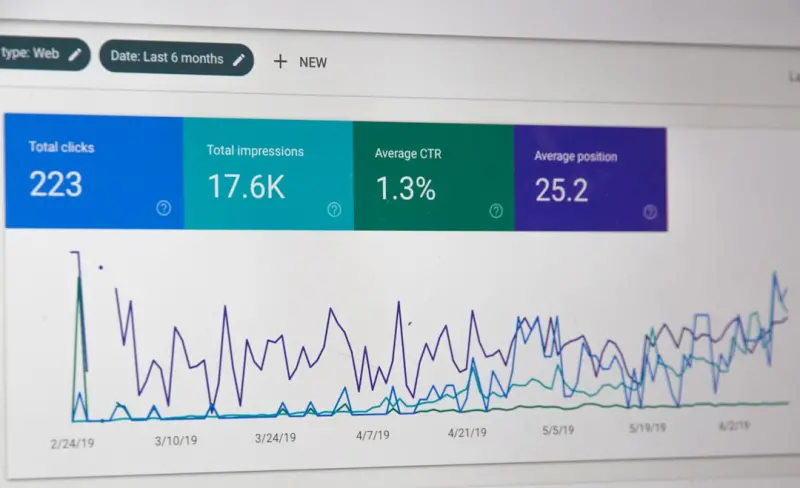
- Search Console Query Reports: Filter by “city” or “near me” keywords and look for spikes in impressions.
- Google My Business Insights: The “search actions” tab shows which queries trigger map views vs. direct clicks.
- Heat‑Map Tools: Tools like Hotjar on your localized landing pages reveal where users hesitate or convert.
Cross‑referencing these datasets uncovers patterns. For instance, a surge in “project management software Seattle” searches in the morning likely signals a Know‑Now moment, while “download free trial Seattle” peaks around lunch—a Do‑Now moment. Align your content calendar accordingly.
Leveraging Visual Search for Local Intent
Visual search isn’t just for e‑commerce. SaaS buyers often search for screenshots or UI snippets that solve a visual problem (“how does a Gantt chart look in a SaaS tool”). By integrating visual and AI‑powered search tactics, you can surface your product’s UI directly in SERPs.
Here’s a quick checklist:
- Optimize images with
alttext that includes location (“Gantt chart view for Denver teams”). - Use
ImageObjectschema to provide dimensions, licensing, and captions. - Implement
Google Lenstags that allow users to snap a screenshot of a competitor and see your alternative instantly.
When you combine visual signals with local cues, you dramatically increase the chance of appearing in the “Images” carousel for location‑specific queries.
The Role of Structured Data in Micro‑Moment Capture
Structured data is the glue that binds your micro‑moment strategy together. While many SEO pros focus on basic LocalBusiness markup, there’s a deeper layer you can exploit:
- FAQPage schema with location‑specific questions (“How does your SaaS comply with New York data privacy laws?”).
- HowTo schema for step‑by‑step guides that include a city name (“Set up your first project in Chicago”).
- Event schema for local webinars or meetups, which Google can surface in the “Local Events” carousel.
By feeding Google rich, location‑aware snippets, you increase the odds of appearing in zero‑result SERPs—those moments when a user’s question is answered without a click. Zero‑result SERPs are the ultimate micro‑moment win because you become the answer without the user ever needing to leave the search page.
Local Link Building: From Neighborhood Partnerships to Authority Signals
Traditional link building often overlooks hyper‑local opportunities. Think beyond directories:
- Local SaaS Meetups: Sponsor a meetup and get a backlink from the event page.
- City‑Specific SaaS Directories: Many chambers of commerce now host tech‑focused listings.
- Collaborative Blog Posts: Partner with a local business blog to co‑author a piece like “Top 5 SaaS Solutions for Portland Retailers”.
These links carry two benefits: they reinforce your areaServed signals to Google, and they embed you within the local community’s digital ecosystem, boosting trust.
Measuring Success: Micro‑Moment KPIs
Traditional SEO metrics (organic traffic, keyword rankings) are still important, but they don’t fully capture micro‑moment performance. Add these KPIs to your dashboard:
- Micro‑Moment Conversion Rate (MMCR): Percentage of users who click a “Do‑Now” CTA after a micro‑moment query.
- Local SERP Feature Impressions: Track impressions for
FAQ,HowTo, andLocalBusinessrich results. - Voice Query Volume: Use Google Search Console’s “Search type: Voice” filter to gauge voice‑first intent.
- Review Sentiment by City: Monitor average star rating and sentiment trends per location.
When you see a rise in MMCR alongside a drop in bounce rate for localized pages, you’ve likely nailed the micro‑moment experience.
Scaling Micro‑Moments Across Multiple Locations
For SaaS companies with a national footprint, it’s tempting to create one generic landing page per state. That works, but it’s not optimal. Instead, consider a template‑driven approach that pulls city‑specific data from a CMS:
- Build a master page with placeholders for
{{city_name}},{{local_testimonial}}, and{{regional_case_study}}. - Use a spreadsheet or API to feed city data into the template, generating dozens of unique URLs automatically.
- Apply canonical tags wisely—only canonicalize duplicate content that truly shares the same value proposition.
This method scales without sacrificing relevance, and it gives you the granular data needed for micro‑moment optimization.
Future‑Proofing: Preparing for AI‑Driven Local Search
AI assistants are learning to interpret context faster than ever. In the near future, a user might say, “Find a SaaS tool that can handle my Seattle team's remote workflow, and book a demo for me.” To be ready:
- Maintain an up‑to‑date
FAQpage that anticipates compound queries. - Use
JSON‑LDto embed actionable data (e.g.,Bookableschema) that AI can parse. - Continuously audit your local content for freshness—AI favors recent, highly relevant answers.
Investing now in micro‑moment readiness positions your brand to be the default recommendation when AI decides what to surface.
Putting It All Together: A 30‑Day Action Plan
Ready to start? Here’s a quick sprint you can run:
- Audit Existing Local Listings: Ensure NAP consistency and add missing
areaServedfields. - Identify Top 5 Micro‑Moments: Use Search Console to find the most common “near me” queries in your core markets.
- Create Micro‑Content: For each moment, produce a 300‑word article, an FAQ entry, and a visual asset with local schema.
- Implement Structured Data: Add
FAQPage,HowTo, andOffermarkup where appropriate. - Launch Local Link Outreach: Reach out to five local partners per city for backlink opportunities.
- Monitor & Optimize: Track MMCR and SERP feature impressions weekly, and tweak copy or schema as needed.
In just one month you’ll have a robust micro‑moment framework that feeds local intent straight into your sales funnel.
Final Thoughts
Local SEO is no longer about being listed; it’s about being present at the exact instant a user decides they need a solution. By understanding and targeting micro‑moments, you transform static listings into dynamic, conversion‑ready experiences. The result? Higher rankings, more qualified leads, and a brand that feels local even when you operate globally.

Tracie Higgins, a professional content writer, produces captivating content. In her leisure time, away from work and travel, she loves to spend time with her grandson.
Related Posts

The Neighborhood Playbook: Supercharging Your SaaS with Hyper‑Local SEO Tactics
A deep dive into hyper‑local SEO for SaaS, offering practical steps to claim local listings, lever... Read More

Community Partnerships: The Untapped Engine Behind Local SEO Success
Learn how forming genuine community partnerships— from co‑creating content with local influencer... Read More

Community‑First Maps: The Hidden Engine Behind Local SEO Success
Learn a fresh, community‑centric approach to local SEO that goes beyond citations, using map optim... Read More
Top Posts

Interactive Content Strategies That Turn SaaS Browsers into Buyers
Interactive content like quizzes and calculators transforms passive visitors into engaged prospects, delivering richer data, higher conversion rates, and faster...Read More
Pixel‑Perfect: Elevating SaaS Rankings Through Strategic Image Optimization
A deep dive into why image optimization matters for SaaS technical SEO, covering audit techniques, next‑gen formats, edge‑based processing, lazy loading, ca...Read More

The On‑Page SEO Checklist SaaS Marketers Can’t Ignore
A step‑by‑step guide that walks SaaS marketers through intent mapping, headline hierarchy, semantic clustering, internal linking, and performance audits to ...Read More

Inside Google’s Spam Detection Engine: From Penguin to SpamBrain
A deep dive into Google’s SpamBrain algorithm, its evolution from Penguin, key spam signals, and actionable SEO steps to keep your site safe and thriving....Read More
0 Comments
Post Comment
You will need to Login or Register to comment on this post!