

Why Facebook Isn’t Just Social Media Anymore—It’s a Search Engine Asset
When most marketers think about SEO, the first platforms that come to mind are Google, YouTube, or even TikTok, but Facebook’s own internal search algorithm has matured into a powerful discovery engine that can funnel traffic, leads, and brand authority straight to your website. The secret lies in treating your Facebook Business Page like a miniature website, optimizing every element from the “About” section to post captions with the same keyword research rigor you apply to traditional pages. By aligning the language you use on Facebook with the search intent you’ve uncovered for your niche, you create a seamless bridge that not only satisfies the platform’s algorithm but also boosts your overall digital footprint across the web.
Crafting an SEO‑Friendly “About” Section that Ranks Inside and Out
The “About” tab is the single most under‑leveraged SEO real estate on Facebook, yet it offers a unique blend of on‑page signals that both the platform and external search engines crawl. Start by embedding your primary target keyword naturally within the “Name” field, the “Category” dropdown, and the descriptive paragraph—think of it as the meta title, meta description, and H1 tags rolled into one. Don’t forget to sprinkle in secondary phrases and localized modifiers; for instance, “organic skincare for Portland moms” signals relevance to both Facebook’s internal search and Google’s local SERPs, creating a dual‑impact effect that amplifies visibility without any extra ad spend.
Leveraging Facebook Groups as Authority Hubs
While Pages broadcast, Groups converse, and that conversation can be a goldmine for establishing topical authority that search engines love. By curating a niche‑specific group, you become the go‑to moderator, shaping discussions, answering questions, and sharing evergreen resources that naturally attract inbound links and social signals. Each time a member references a piece of content you’ve posted on your site, Facebook’s algorithm registers that as a trust vote, and the ripple effect can translate into higher rankings for the linked pages when Google notices the consistent social endorsement.
Optimizing Post Copy for Both Humans and the Facebook Search Bot
Just as you would write a compelling meta description, each Facebook post should begin with a hook that includes a target keyword within the first 40 characters, ensuring the platform’s search bot captures the relevance signal immediately. Follow the hook with a concise, value‑driven paragraph that answers a specific query or solves a pain point, then finish with a clear call‑to‑action that encourages clicks to your site or engagement within the post itself. Remember to use native Facebook features like hashtags sparingly—choose three highly relevant tags that reinforce the topic rather than dilute it with generic terms.
Embedding Rich Media That Fuels Visual Search
Facebook’s visual search capabilities have quietly advanced, allowing users to discover products and services simply by scanning images in their feed, making it essential to tag your visuals with descriptive alt text and contextual keywords. Pair this with high‑resolution graphics that reflect the exact phrasing of your SEO targets, and you’ll find that not only do users click through more often, but search engines also index those images as part of your broader visual SEO strategy. For deeper insight into marrying visual content with search, check out the guide on mastering visual search for actionable steps you can implement today.
Cross‑Posting Content with Structured Data in Mind
When you repurpose blog posts or landing pages on Facebook, embed structured data snippets in the accompanying link preview by customizing the Open Graph tags on your website—this ensures the shared link displays a compelling title, description, and image that align with your SEO goals. By mirroring the schema markup you use for Google (such as Article or Product schema) within the Open Graph protocol, you create a consistent metadata footprint that both platforms can read, reinforcing relevance signals across the board. This synergy not only boosts click‑through rates from Facebook but also enhances the likelihood that Google will recognize and reward the shared content for its authoritative presentation.
Using Facebook Pixel Data to Refine SEO Keyword Strategies
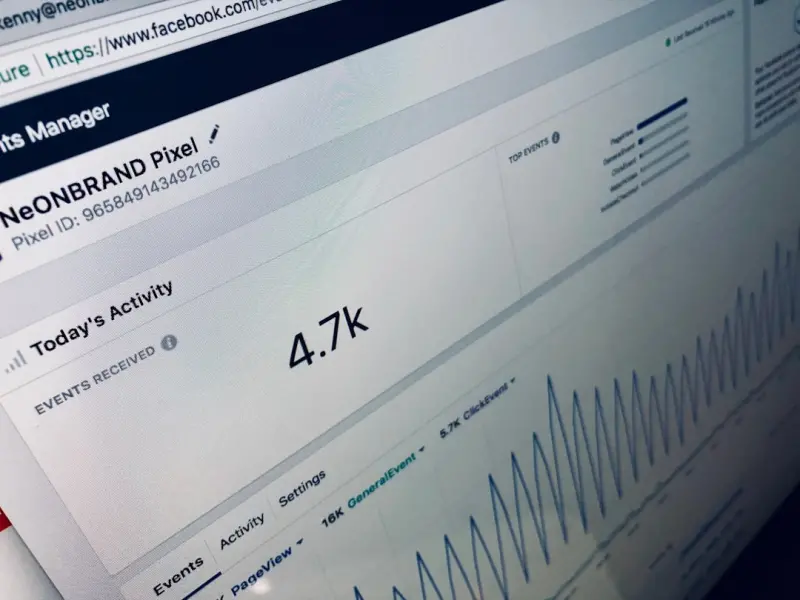
The Facebook Pixel is traditionally viewed as a conversion‑tracking tool for ads, yet its event data can reveal hidden search intent trends that inform your broader keyword roadmap. Analyze the actions users take after landing on your site from Facebook—whether they view a product, add to cart, or spend a certain amount of time on a page—to pinpoint which keywords are driving the most engaged traffic. Feed these insights back into your SEO keyword research, prioritizing terms that not only rank but also convert, and you’ll develop a virtuous cycle where Facebook‑derived data sharpens your organic strategy, leading to higher rankings and better ROI.
Building High‑Quality Backlinks from Facebook Interactions
Every time a group member or page follower shares a link from your site, Facebook treats that as a social backlink, and while these links are nofollow, the sheer volume of social signals can influence Google’s perception of your content’s relevance and trustworthiness. To amplify this effect, create share‑worthy assets—such as downloadable checklists, industry reports, or interactive quizzes—that naturally encourage users to spread the word within their networks. Pair this tactic with a proactive outreach approach: invite influencers in your niche to co‑host a Facebook Live session where you both discuss a piece of content, prompting them to link back to the original article, thereby generating both social buzz and potential referral traffic.
Measuring Success: The KPI Dashboard That Marries Facebook and SEO Metrics
To prove the ROI of your Facebook‑SEO hybrid strategy, set up a unified dashboard that tracks both platform‑specific metrics (engagement rate, post reach, group growth) and traditional SEO indicators (organic traffic, keyword rankings, backlink profile). Use tools like Google Data Studio to pull in Facebook Insights via the Graph API and combine them with Google Search Console data, allowing you to see correlations—such as a spike in group discussions leading to a surge in organic rankings for related queries. By continuously monitoring these intertwined metrics, you can iterate quickly, double‑down on tactics that drive cross‑channel growth, and demonstrate tangible value to stakeholders.
Future‑Proofing Your Facebook SEO Playbook
The digital landscape evolves rapidly, and the next wave of Facebook innovations—like AI‑driven content recommendations and expanded AR shopping experiences—will further blur the lines between social and search, making it essential to stay adaptable. Regularly audit your Page’s SEO elements, experiment with emerging features such as Facebook Shops and Instant Articles, and keep an eye on how the platform’s algorithm updates prioritize community interaction over pure promotional content. By treating Facebook as an integral component of your overall SEO ecosystem rather than a standalone channel, you position your brand to capture organic visibility wherever users choose to search, share, and engage.

Jessica Gills is a freelance writer carving a niche for herself by empowering others through her words. With a focus on careers, self-development, and business, she helps readers navigate the complexities of the modern professional landscape.
Related Posts
Cracking Facebook Search: A SaaS Playbook for Hidden Discovery
Discover a step‑by‑step framework to optimize your Facebook page, content, and groups for search... Read More
Rank Your Facebook Business Page on Google
A practical guide showing marketers how to make their Facebook Business Page rank higher in Google, ... Read More

Boost Your Rankings with Facebook Video SEO: A Proven Playbook
Discover a step‑by‑step guide to turning Facebook Reels into powerful SEO assets, boosting visib... Read More
Top Posts

How SaaS Companies Can Tame Their Crawl Budget and Unlock Hidden Rankings
Discover how SaaS sites can manage crawl budget by auditing server logs, cleaning up URL parameters, optimizing JavaScript rendering, and leveraging structured ...Read More

Zero‑Party Data: The Trust‑First Engine Behind Next‑Gen Digital Marketing
Zero‑party data—information users voluntarily share—offers a privacy‑compliant, highly accurate foundation for personalization. Learn how to collect, ac...Read More

How Generative AI Is Redefining Site Search Experiences
Discover how generative AI is turning traditional search on its head, offering new ways to influence answers, build context, and design conversational interface...Read More

Privacy‑First SEO: The Competitive Edge SaaS Can't Ignore
Discover why privacy‑first SEO is now a competitive advantage for SaaS businesses, featuring first‑party data foundations, contextual relevance, and transpa...Read More
0 Comments
Post Comment
You will need to Login or Register to comment on this post!