

Why Google Discover Deserves a Seat at the SEO Table
When Google first introduced Discover, many seasoned SEOs wrote it off as a decorative side‑panel that would never rival the raw power of traditional organic rankings; the platform seemed more about passive scrolling than active searching, and the early metrics appeared modest at best. However, the cumulative data from the last few quarters paints a starkly different picture: well‑crafted, evergreen stories can generate tens of thousands of monthly clicks without ever matching a single keyword query, and the resulting traffic often boasts lower bounce rates because users are already primed by their personal feed preferences. For marketers hungry for scalable, brand‑building exposure, mastering Discover is no longer a nice‑to‑have experiment—it is a strategic imperative that sits alongside core SEO, demanding a shift from keyword obsession to audience‑first storytelling that speaks directly to the interests that Google has already inferred about each individual user.
Decoding the Signals Behind Discover Placement
The algorithm that decides which stories appear in a user’s feed is a blend of freshness, relevance, and demonstrated engagement, but unlike traditional SERP ranking, it leans heavily on signals that reflect a user’s long‑term interests, browsing history, and even the type of content they have previously interacted with across the Google ecosystem. Freshness is not merely about publishing today’s news; it is about delivering timely updates to topics that have shown sustained user curiosity, while relevance hinges on the semantic match between the article’s core themes and the user’s inferred interests, a match that Google refines through its deep‑learning models such as BERT and MUM. Engagement, the final piece of the puzzle, is measured by metrics like dwell time, scroll depth, and the propensity of readers to share the piece on social platforms, all of which feed back into the system to reinforce the content’s authority and increase the likelihood of repeated placements.
Content Formats That Thrive in the Feed
Unlike the rigid, keyword‑centric pages that dominate traditional search, Discover favors content that is immersive, easily digestible, and visually compelling, making certain formats especially potent for attracting clicks and holding attention. Below are the three formats that consistently outperform the rest in the Discover ecosystem:
- Long‑form storytelling with clear sub‑headings – articles that guide the reader through a narrative arc while allowing quick scans encourage longer dwell times.
- High‑quality visual assets – striking hero images, custom illustrations, and short video loops act as the primary hook in a feed that is inherently visual.
- Interactive elements such as polls or quizzes – these micro‑engagement tools signal to Google that the piece is resonating, thereby boosting its odds of re‑appearing.
By aligning your content creation calendar around these proven formats, you give the algorithm more levers to pull when matching your story to the right audience, and you also provide readers with a richer experience that translates into higher click‑through and conversion rates.
Crafting Headlines That Capture Feed Attention
The headline in Discover functions as the single most decisive factor in whether a user taps or scrolls past, so it must balance curiosity, clarity, and relevance without slipping into click‑bait territory that could harm brand trust. A proven approach is to embed a concrete benefit or promise—such as “how to double your organic traffic in 30 days”—while also weaving in an emotional trigger like “surprising” or “unexpected,” which taps into the innate human desire for novel information. Additionally, because Discover often surfaces content in a mobile‑first environment, keep headlines under 70 characters to ensure they render fully on smaller screens, and avoid jargon that could be misinterpreted by the algorithm’s natural‑language processing layers.
Optimizing Visual Assets for Maximum Impact
Images are the gateway to clicks in a feed that is designed for rapid consumption, and Google’s image indexing capabilities have become sophisticated enough to evaluate not just file size but also relevance, alt‑text quality, and schema markup that describes the visual context. Start by selecting high‑resolution, vertically oriented images that occupy the top third of the viewport, then pair them with concise, keyword‑rich alt attributes that describe the scene without sounding forced; this practice not only improves Discover visibility but also bolsters accessibility for screen readers. To further amplify the signal, implement the ImageObject schema within a NewsArticle structured data block, which provides Google with explicit cues about the image’s role and increases the odds of the story being featured in image‑rich Discover cards.
Leveraging Data From Search Console and Feed Insights
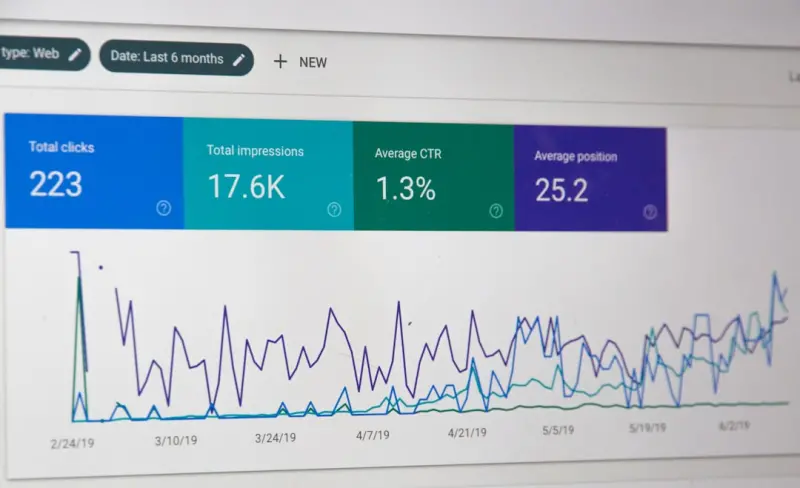
Google Search Console now offers a dedicated Discover performance report that surfaces impressions, clicks, average position, and CTR for each piece of content, giving you a granular view of what resonates with the feed’s audience and where opportunities for improvement lie. By cross‑referencing this data with on‑page metrics such as scroll depth and session duration in Google Analytics, you can identify the precise content elements that are driving engagement and replicate them across future pieces. Moreover, the report highlights the geographic distribution of your Discover traffic, enabling you to tailor language, cultural references, and visual cues to the regions that are most responsive, thereby fine‑tuning the personalization loop that powers the feed.
Testing, Iterating, and the Role of Emerging AI Tools
Because Discover’s algorithm continuously evolves, a static strategy will quickly become obsolete; the key is to adopt a test‑and‑learn mindset where you experiment with headline variations, image placements, and content lengths, then measure the impact using the Discover report and your own engagement metrics. Modern AI‑driven platforms can accelerate this process by generating headline alternatives, predicting visual performance, and even suggesting topic clusters that align with emerging user interests, allowing you to stay ahead of the curve without sacrificing quality. For a deeper dive into how AI can reshape your search strategy, explore the insights shared in AI search frontier, and consider how real‑time intent heatmaps can inform rapid content pivots.
Balancing Discover Efforts With Core SEO Priorities
While it’s tempting to funnel all resources into Discover to chase high‑velocity traffic, neglecting traditional SEO can erode the foundational authority that the algorithm uses to assess content quality, ultimately diminishing both Discover and SERP performance. A pragmatic approach is to design each piece of content with a dual purpose: optimize the core article for keyword relevance, internal linking, and schema to satisfy classic search, then layer on the visual, narrative, and engagement enhancements that specifically target the Discover feed. This synergy ensures that if a story is not picked up by the feed, it still has the potential to rank organically, and vice versa—if it gains momentum in Discover, the associated backlinks and dwell time can reinforce its standing in the traditional SERPs.
Future Outlook and an Actionable Checklist
Looking ahead, Google’s continued investment in AI‑driven personalization suggests that Discover will become even more adept at serving hyper‑relevant content, making early adopters the clear winners in the battle for audience attention; therefore, building a sustainable pipeline of feed‑optimized stories is a long‑term growth lever that can outpace many conventional tactics. To get started, follow this concise checklist: (1) audit existing evergreen content for visual quality and add appropriate ImageObject schema; (2) rewrite headlines using benefit‑first language while staying under 70 characters; (3) publish at least one Discover‑focused piece per week, rotating between long‑form narratives, visual stories, and interactive formats; (4) monitor the Discover report weekly, noting spikes in CTR and adjusting visual assets accordingly; and (5) allocate a quarterly budget for AI‑assisted testing to keep your content aligned with the ever‑shifting interests of the feed’s audience. By treating Discover as a parallel channel rather than a gimmick, you position your brand for sustained, high‑quality traffic that fuels both awareness and conversion.

Nikki McDonald is a freelancer based in Waterloo. She brings her skills and expertise to various projects, balancing her professional work with a personal life that includes her husband, Stewart.
Related Posts
Schema & Rich Snippets: A SaaS SEO Playbook
Discover why structured data is the missing link in SaaS SEO and how to implement product, FAQ, and ... Read More

Why Intent‑First SEO Is the Game‑Changer Your Site Needs
Learn how shifting from keyword‑centric tactics to intent‑first SEO can transform rankings, enga... Read More

Mastering Google’s “Helpful Content” Era: A Data‑Driven SEO Blueprint
Discover a step‑by‑step, data‑driven strategy to thrive under Google’s “Helpful Content”... Read More
Top Posts

Why the Latest Google Algorithm Shift Demands a New B2B Content Playbook
The newest Google algorithm places experience, expertise, and authoritativeness at the forefront of ranking. This post outlines a step‑by‑step B2B SaaS cont...Read More

Privacy‑First SEM: Winning in a Cookieless Landscape
A privacy‑first approach to SEM turns cookie restrictions into a competitive edge. Discover how to leverage first‑party intent signals, contextual relevance...Read More

Mastering Intent‑First SEO: Actionable Tips for Modern Marketers
A hands‑on guide to intent‑first SEO: map intent, craft content, optimize on‑page signals, and future‑proof your rankings with actionable tips for moder...Read More

Google’s 2024 Algorithm Shake‑Up: Rose DesRochers’ Frontline Report
Rose DesRochers reveals the biggest 2024 Google algorithm shifts, how intent and AI reshape SEO, and actionable tips to future‑proof your site....Read More
0 Comments
Post Comment
You will need to Login or Register to comment on this post!