
Why Building a Content Hub Is the New SEO Superpower
When search engines evolve, the most reliable way to stay ahead is to organize your knowledge into a well‑structured content hub that serves both users and crawlers. A content hub is more than a collection of blog posts; it is a strategic nexus where pillar pages, supporting articles, and multimedia assets interlink to demonstrate depth and relevance on a core topic. By concentrating authority in a single, cohesive ecosystem, you signal to Google that you own the conversation, which translates into higher rankings, increased dwell time, and a cascade of inbound links from other sites that recognize your expertise.
Designing the Pillar Page: The Anchor of Your Hub
The pillar page should function as the ultimate gateway, summarizing the main theme while linking out to detailed sub‑pages that explore each facet in depth. Start with a compelling, keyword‑rich headline, then craft a concise overview that answers the most common questions a user might have before diving deeper. Each sub‑page you link to must address a specific angle—how‑to guides, case studies, data‑driven research—so that the entire hub forms a logical, hierarchical map that both users and search bots can navigate with ease.
Mapping Supporting Content for Maximum Reach
After the pillar page is set, populate the hub with supporting articles that target long‑tail variations and related queries, ensuring each piece links back to the pillar and to its siblings where contextually appropriate. Use keyword research tools to uncover niche phrases that your competitors overlook, then create in‑depth resources that fill those gaps. This interlinking strategy not only spreads link equity throughout the hub but also creates multiple entry points for organic traffic, boosting the overall visibility of every piece.
Internal Linking: The Engine That Powers Authority
Strategic internal linking is the lifeblood of any content hub; without it, the pillar page’s authority can’t flow to the supporting articles. Adopt a systematic approach: every time you publish a new supporting post, embed at least two contextual links—one back to the pillar and another to a related sub‑page. This creates a web of relevance that search engines interpret as a sign of topical expertise. For a practical illustration, see how Cracking Google’s AI‑Powered Search leverages internal links to reinforce its core arguments, driving both user engagement and higher SERP performance.
Optimizing for User Intent Without Using the Buzzword
Even though “intent” is a buzzword, the underlying principle—delivering precisely what the user seeks—remains critical. Structure each supporting article to answer a single, clear question, and place the answer near the top of the page to satisfy the reader quickly. Supplement the text with concise tables, infographics, or short videos that convey the information visually, reducing bounce rates and encouraging longer session durations, which search engines interpret as a quality signal.
Technical Foundations: Speed, Crawlability, and Structured Data
A content hub must be built on a technically sound foundation; otherwise, its strategic value is wasted. Ensure fast load times by compressing images, leveraging browser caching, and minimizing JavaScript. Use a clean URL hierarchy that mirrors the hub’s logical structure—example.com/seo/content-hub/pillar, example.com/seo/content-hub/subtopic—so crawlers can easily map relationships. Adding schema markup such as Article and BreadcrumbList helps search engines present rich results, increasing click‑through rates. For deeper technical guidance, refer to Mastering Technical SEO, which outlines best practices that apply directly to hub architecture.
Promoting the Hub: Earned Links and Social Amplification
Once the hub is live, outreach becomes essential to attract external links and social shares that amplify its authority. Identify industry influencers, niche forums, and relevant newsletters, then pitch the pillar page as a definitive resource that solves a common problem. Offer to contribute guest posts that reference specific sub‑pages, creating natural backlinks that reinforce the hub’s internal network. Additionally, repurpose the hub’s content into bite‑size social posts, slideshares, or podcasts, extending its reach across multiple channels and driving referral traffic back to the core pages.
Measuring Success and Iterating Over Time
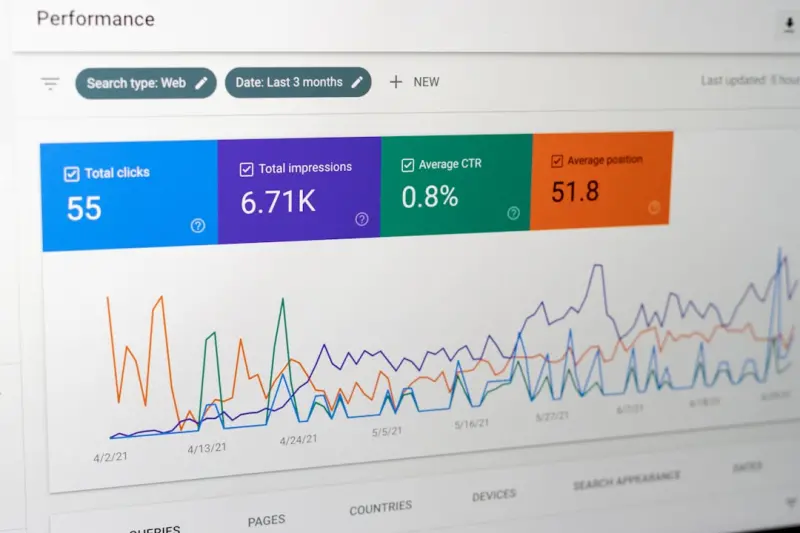
Analytics should guide the evolution of your content hub; monitor metrics such as organic impressions, click‑through rates, average session duration, and the flow of internal link equity. Identify underperforming sub‑pages, then refresh them with updated data, richer media, or more precise keyword targeting. Regularly audit the internal link structure to ensure there are no orphaned pages, and use tools that visualize the hub’s link graph to spot opportunities for strengthening connections. Continuous improvement keeps the hub relevant, sustaining its ranking power for months and years to come.
Future‑Proofing: Scaling the Hub as Your Brand Grows
As your authority expands, the content hub can serve as a scalable framework for new verticals, allowing you to duplicate the proven model across topics. Begin each new hub with a fresh pillar page, then replicate the internal linking patterns, technical optimizations, and promotion tactics that have already delivered results. This modular approach reduces the time needed to dominate additional niches, turning your SEO strategy into a repeatable engine of growth that adapts to algorithm updates without requiring a complete overhaul.

Dale Peterson is a freelance writer with a passion for technology, travel, law and personal finance. With 10 years of experience crafting compelling and informative content, he's dedicated to delivering high-quality writing for Blogging Fusion that engages audiences and achieves specific goals.
Related Posts

Mastering Intent‑First SEO: Fresh Tips for 2026
A practical guide from Rose DesRochers on aligning content, technical SEO, and link building with us... Read More

Unlocking the Power of Structured Data for SaaS SEO Success
Structured data turns ordinary search listings into rich, trust‑building snippets. This guide show... Read More

Riding the 2024 SEO Wave: Rose DesRochers’ Insider Tips for Intent, AI, and Authority
Rose DesRochers shares a 2024 SEO roadmap: prioritize user intent, harness AI responsibly, and boost... Read More
Top Posts

Beyond the Cart: A Fresh eCommerce SEO Blueprint for Modern Shoppers
This post outlines a modern eCommerce SEO playbook, covering intent‑first keyword mapping, product‑page optimization, user‑generated content, topic cluste...Read More

Why Semantic Search Is Redefining Brand Authority
Semantic search is transforming how brands achieve authority online. Learn practical steps, AI tools, and new metrics to dominate the evolving SERP landscape....Read More

Link Building with Interactive Tools: A Fresh Playbook
Learn to create magnetic interactive tools that attract natural backlinks, boost SEO, and set your link‑building strategy apart....Read More

Semantic SEO for SaaS: Harnessing Structured Data to Elevate Rankings
Semantic SEO shifts the focus from keywords to meaning. This guide shows SaaS marketers how to implement schema.org markup across product, pricing, and support ...Read More
0 Comments
Post Comment
You will need to Login or Register to comment on this post!