

Understanding Semantic Search
Search engines have moved far beyond simple keyword matching, embracing semantic understanding that connects user intent with the rich tapestry of entities, relationships, and contextual cues embedded across the web. This shift means that brands can no longer rely solely on isolated keyword rankings; instead, they must cultivate a cohesive web of entity signals that tell search engines who they are, what they offer, and how they fit into the broader knowledge ecosystem, ultimately reshaping the very definition of authority in the digital arena.
Entity Signals and Structured Data
At the heart of semantic search lies the systematic representation of information through structured data, where schema markup, JSON‑LD, and Open Graph tags translate human‑readable content into machine‑readable entities that search algorithms can readily consume and associate. By meticulously tagging products, services, authors, and corporate details, businesses enable search engines to map their brand onto the global knowledge graph, fostering richer SERP appearances such as knowledge panels, carousel cards, and answer boxes that elevate visibility without a single click.
Zero‑Click Real Estate
With the proliferation of featured snippets, “People also ask” modules, and instant answers, the traditional click‑through model has been eclipsed by a landscape where zero‑click results dominate the top of the SERP, granting brand exposure even when users never navigate to a website. Leveraging insights from SERP feature tactics, marketers can strategically align content to answer precise queries, position themselves within these coveted slots, and capture audience attention in the fleeting moment of instant knowledge delivery.
E‑AT in the Age of Knowledge Graphs
Google’s long‑standing emphasis on Expertise, Authority, and Trustworthiness (E‑AT) has evolved to incorporate the depth and breadth of a brand’s presence within the knowledge graph, where verified entity relationships act as a powerful endorsement of credibility. By consistently publishing expert‑authored, well‑referenced content that interlinks with recognized industry entities, businesses reinforce their E‑AT profile, allowing semantic algorithms to surface them as trusted sources across a spectrum of topical queries.
Actionable Audit Checklist
To transition into a semantic‑first strategy, start with a comprehensive entity audit: inventory existing brand mentions, map them to canonical URLs, and identify gaps where structured data is missing or outdated; then apply a content refresh that aligns with intent‑driven clusters, ensuring each piece supports a core entity and links back to pillar pages, a practice that dovetails nicely with proven content pruning strategies for maximal relevance.
AI‑Powered Tools for Entity Mapping
Modern AI platforms now offer automated entity extraction and semantic clustering, turning massive content repositories into organized maps of topics, subtopics, and related concepts that can be quickly visualized and acted upon; these tools not only accelerate the audit process but also reveal hidden opportunities for internal linking, content gaps, and potential new knowledge‑graph entries. By integrating such solutions into the editorial workflow, teams can maintain a living, adaptive semantic architecture that mirrors the ever‑changing search landscape.
Beyond Clicks: New Success Metrics
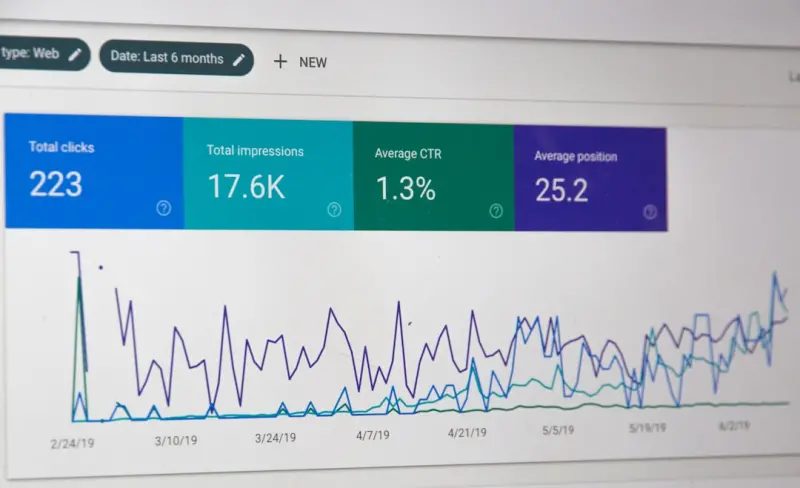
Traditional KPI’s like organic traffic and keyword rankings are insufficient for measuring the impact of semantic optimization; instead, marketers should monitor metrics such as SERP feature impressions, brand lift in knowledge panels, entity authority scores, and the ratio of zero‑click engagements to overall visibility. These data points provide a clearer picture of how well a brand is being recognized as an authoritative entity and how effectively it captures user attention in a click‑free environment.
What’s Next for Brands and Search
Looking ahead, the convergence of voice assistants, augmented reality, and the expanding knowledge graph will demand even richer, more interconnected entity profiles, pushing brands to adopt continuous schema updates, real‑time entity monitoring, and collaborative data sharing with industry partners. By embracing this forward‑thinking, semantic‑centric mindset today, businesses position themselves to dominate the next wave of search experiences, where relevance is defined not by isolated keywords but by the holistic story a brand tells the algorithm.

Karen Edwards is a seasoned freelance writer with a passion for all things furry, feathered, and scaled. With a dedicated focus on pets, she brings a wealth of knowledge and a keen eye for detail to her writing.
Related Posts

Navigating SEO for Augmented Reality: Strategies to Get Seen in the Metaverse
Explore how to optimize 3D models and AR experiences for search, leveraging structured data, content... Read More
AI‑Powered SERP Forecasting: How to Anticipate Search Trends Before They Hit
AI is turning SERP data into a crystal ball. Learn how predictive algorithms, structured data, and r... Read More

Structured Data: The Underrated Engine Driving SaaS SEO Success
Structured data is transforming SaaS SEO by delivering rich results, faster indexing, and stronger t... Read More
Top Posts

Why Audio Advertising Is the Quiet Revolution Marketers Can’t Ignore
Audio advertising is emerging as a powerful, privacy‑friendly channel that can enhance brand recall, drive conversions, and integrate seamlessly with existing...Read More
The Rise of AI‑Generated SERP Features and What SaaS Marketers Must Do
AI‑generated search results are turning the SERP into a dynamic knowledge hub. This post explains why SaaS marketers need to shift from keyword‑centric copy...Read More

The Intent‑First Wave Redefining SEO News
A deep dive into the intent‑first revolution shows why aligning content with user purpose is the key to higher rankings and sustainable SEO success....Read More
The Intent‑First Wave Is Redefining SEO News
The latest SEO wave focuses on user intent over keywords, reshaping rankings and boosting conversions. Discover actionable strategies to ride this trend and fut...Read More
0 Comments
Post Comment
You will need to Login or Register to comment on this post!