

Why Traditional Link Building No Longer Cuts It
When I first started drafting outreach emails, the playbook was simple: find a relevant site, offer a guest post, and hope the editor says yes. That formula is fraying fast because search engines have become adept at spotting templated content, and marketers are bombarded with the same generic pitches. The result is a dwindling response rate and a growing fatigue among webmasters who now demand something of genuine value. In this climate, the old “list‑building” mindset feels more like noise than a signal. What I’ve learned is that the most effective backlinks now come from assets that people actively seek out, embed, or reference because they solve a problem in a way that static articles can’t. This shift pushes us to rethink link acquisition not as a chase, but as a process of creating magnetic, shareable experiences that earn mentions organically.
The Secret Weapon: Interactive Calculators and Mini‑Tools
Imagine a small, purpose‑built calculator that tells a retailer exactly how much margin they lose on shipping errors. That single tool can generate dozens of inbound links from industry blogs, forum threads, and even news outlets because it provides an instantly actionable insight. Interactive content like quizzes, ROI estimators, and data visualizers outrank plain text by delivering a personalized experience that users love to embed in their own pages. The key is to focus on a narrow, high‑intent query where a static article would leave a gap. When users can input their own numbers and see a tailored result, they are more likely to cite the source, share it on social media, and even embed it as a widget on their site. This approach transforms a piece of content from a passive read into an active utility, turning every visitor into a potential link partner.
From Idea to Execution: Building a Link‑Magnet Tool
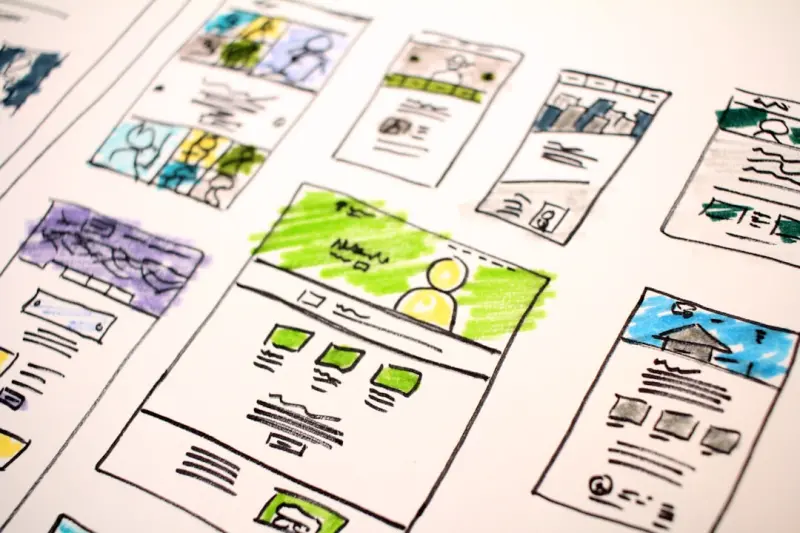
The first step is research. Dive into community forums, answer‑the‑public data, and niche sub‑reddits to uncover recurring pain points that lack a digital solution. Once you pinpoint a problem—say, calculating the optimal frequency for email newsletters—you sketch a simple interface that asks for a few inputs and returns a clear, visual output. Keep the design lightweight; most users won’t stay for a heavy‑load app, so prioritize speed and mobile‑first responsiveness. After the prototype, test it internally and with a handful of trusted contacts to ensure the logic is sound and the UI feels intuitive.
Next, embed SEO‑friendly elements from the start. Use descriptive title tags, structured data for the result set, and a clean URL that includes the primary keyword. Host the tool on a subdirectory that aligns with a content hub, allowing search engines to see the relationship between the calculator and surrounding articles. Finally, write a concise landing page that explains the problem, showcases the tool, and invites users to share their results—this page becomes the natural linkable asset that other sites reference.
Outreach That Doesn’t Feel Like Outreach
Instead of blasting a list of prospects with a generic “check out my tool” line, I adopt a conversation‑first approach. I start by commenting on a relevant blog post or forum thread, adding a genuine insight, and then subtly mention, “I built a quick calculator that solves this exact issue—happy to share if it helps your readers.” This method positions the tool as a solution you’re offering, not a sales pitch you’re pushing. By aligning your outreach with the target’s current discussion, you increase the chances of a positive response and reduce the perception of spam.
Another tactic is co‑creating content with niche influencers. Offer to embed their branding within the tool’s output or provide a custom version for their audience. In exchange, they write a short “how‑to” post that naturally links back to your landing page. This collaborative model turns a simple backlink request into a mutually beneficial partnership, strengthening relationships while expanding your link profile.
Metrics That Matter: Beyond Domain Authority
When evaluating the success of an interactive link‑building campaign, I look past the traditional domain authority score. Instead, I track the tool’s organic traffic growth, the number of unique domains that embed the widget, and the click‑through rate from the landing page to the core site. Additionally, monitoring crawl efficiency is crucial—if your calculator is JavaScript‑heavy, you don’t want to waste crawl budget on unnecessary resources. For that reason, I often reference the strategies outlined in Mastering Crawl Budget to ensure search bots can index the most valuable parts of the page quickly.
Scaling the Toolkit Without Breaking Your Site
Once you’ve proven one calculator’s ROI, it’s tempting to launch a suite of tools. However, each addition can introduce performance challenges, especially if the tools rely on client‑side rendering. To mitigate this, I adopt the best practices from Dynamic Rendering Demystified, serving a pre‑rendered HTML version to crawlers while preserving a rich JavaScript experience for users. This hybrid approach keeps page load times low, preserves SEO equity, and ensures that every new tool gets the same indexing priority as the original.
Beyond technical considerations, I maintain a consistent branding framework across all tools—uniform colors, logo placement, and a clear call‑to‑action. This creates a recognizable “tool family” that audiences trust, encouraging them to explore multiple calculators on your site and generate a cascade of internal links. Over time, this ecosystem not only boosts referral traffic but also signals to search engines that your domain is a hub of authoritative, user‑focused resources.
Looking Ahead: AI‑Driven Interactive Content
The next frontier for link‑building through interactive assets lies in AI‑generated experiences. Imagine a chatbot that drafts a personalized SEO audit in seconds, or an AI‑powered scenario planner that adjusts recommendations based on real‑time market data. These dynamic experiences can be embedded in articles, newsletters, and partner sites, creating a fresh wave of backlinks from platforms eager to showcase cutting‑edge technology. While the development overhead is higher, the payoff comes in the form of high‑quality, evergreen links that remain relevant as search algorithms evolve. Embracing this direction now positions your brand as an innovator, attracting both users and authoritative sites eager to reference your forward‑thinking solutions.

In the world of freelance writing, where creativity and adaptability are paramount, Michelle Fisher stands out as a dedicated and versatile professional. With a passion for crafting compelling narratives and a keen eye for detail, Michelle has established herself as a trusted voice.
Related Posts

Co‑Creating Research Reports: A Fresh Link‑Building Engine for SaaS Brands
Learn a new link‑building strategy for SaaS: partner with complementary brands to create data‑dr... Read More

How Community Resource Pages Can Supercharge Your Link Profile
Explore a fresh link‑building angle that leverages niche community resource pages, offering highâ€... Read More

Interactive Link Building: Turning Tools into Authority Magnets
Learn why interactive assets like calculators and quizzes are the new gold standard for link buildin... Read More
Top Posts
Omnichannel Attribution: A SaaS Marketer’s Blueprint for True ROI Visibility
A practical guide that shows SaaS marketers how to break down data silos, choose the right attribution model, and build a unified view of marketing performance ...Read More

Conversational AI: Real‑Time Personalization for SaaS Marketers
Discover why integrating conversational AI into your SaaS marketing stack creates real‑time, personalized experiences that lift engagement, generate richer da...Read More

Structured Data: The Missing Lever to Supercharge eCommerce SEO
Discover why structured data is the secret weapon for eCommerce SEO, with step‑by‑step implementation, measurable ROI, and future‑proof tactics to dominat...Read More

The Untapped Power of Structured Data for SEO Mastery
Structured data is the hidden engine that transforms ordinary search results into rich, interactive experiences. This guide walks you through the most impactful...Read More
0 Comments
Post Comment
You will need to Login or Register to comment on this post!