
Why Your SEO Strategy Needs a Buyer‑Journey Lens
When I first started mapping SEO for SaaS products, I was obsessed with rankings. I chased the highest‑volume keywords, built backlinks, and celebrated every uptick in organic traffic. The numbers looked great—until the leads stopped converting. The missing piece? A clear connection between search intent and the stages of the SaaS buyer’s journey.
Google has become exquisitely good at surfacing results that match a user’s intent, not just their query. If your content satisfies that intent at the exact moment a prospect is evaluating a solution, you capture high‑quality traffic that’s primed to move down the funnel. In this post, I’ll walk you through a practical, journey‑centric SEO framework that aligns every piece of content with awareness, consideration, decision, and advocacy—turning “just another click” into a qualified lead.
1. Diagnose the Intent Gaps in Your Existing Content
The first step is an honest audit. Pull data from Google Search Console, Ahrefs, or SEMrush and categorize your top‑performing pages by the buyer‑journey stage they serve. You’ll likely find a concentration of traffic at the top (blog posts, industry news, “what is X?” queries) and a thin slice at the bottom (pricing pages, case studies, free‑trial sign‑ups).
Ask yourself:
- Which pages rank for informational queries but never lead to a CTA?
- Do any high‑ranking pages address transactional intent but lack persuasive copy?
- Are there any gaps where a prospect might be searching for “SaaS onboarding checklist” but you only have a generic “features” page?
Document these gaps in a spreadsheet. The goal is to see a visual map of where your SEO assets sit relative to the funnel. This diagnostic stage sets the stage for targeted content creation that fills the missing pieces.
2. Build an Intent‑Based Keyword Taxonomy
Keyword research isn’t just about volume anymore; it’s about aligning keywords with intent. Start by grouping keywords into four buckets:
- Awareness: “What is customer success software?” “SaaS trends 2024”
- Consideration: “Best customer success platforms for SMBs” “Feature comparison SaaS analytics”
- Decision: “Free trial HubSpot CRM” “Pricing for X SaaS tool”
- Advocacy: “How to write a case study for SaaS” “Referral program examples”
Use tools like Google’s “People also ask” box, AnswerThePublic, and the “searches related to” section to surface long‑tail queries that map cleanly to each stage. Prioritize keywords that have a clear commercial intent for the decision stage, but don’t ignore the high‑volume, low‑competition informational queries that fuel the top of the funnel.
3. Align Content Formats with Funnel Needs
Not all content types are created equal. Here’s a quick cheat sheet:
- Awareness: Blog posts, industry guides, infographics, short videos.
- Consideration: In‑depth comparison tables, webinars, downloadable whitepapers, product demos.
- Decision: Pricing calculators, free‑trial sign‑up pages, live‑demo request forms, ROI case studies.
- Advocacy: Customer success stories, user‑generated content, community forums, referral program pages.
When you create a new asset, ask: “Which stage does this satisfy?” and embed a CTA that nudges the reader to the next logical step. For example, a “SaaS onboarding checklist” blog post (awareness) can conclude with an invitation to download a “30‑day implementation guide” (consideration).
4. Technical Foundations: Structured Data Meets Journey Mapping
Google loves structured data, but it’s often underutilized beyond basic schema. Leverage FAQPage schema on awareness articles, Product and Offer schema on pricing and trial pages, and Review schema on case studies. This not only improves SERP visibility (rich snippets) but also signals to Google the exact intent your page addresses.
Pairing schema with a clear breadcrumb trail helps Google understand the hierarchy of your funnel. A breadcrumb like “Home › Resources › Guides › Customer Success Checklist” reinforces the awareness stage, while “Home › Pricing › Enterprise” anchors the decision stage.
5. Interlink with Intent in Mind
Internal linking is the connective tissue of a journey‑centric SEO strategy. Instead of linking purely for “link juice,” use links to guide users forward. From an awareness article, embed contextual links to a comparison guide (“If you’re evaluating options, see our side‑by‑side comparison”). From a decision‑stage pricing page, link to a case study (“See how Company X saved 30% after switching”).
When you structure your internal linking tree this way, you also boost the relevance signals that Google uses to rank pages for specific intents. The more clearly you map a path from informational to transactional, the stronger the SEO equity of each step.
6. Measure Success by Funnel‑Weighted Metrics
Traditional SEO reporting focuses on rankings, clicks, and impressions. For a journey‑centric approach, augment those metrics with funnel‑specific KPIs:
- Awareness: Organic impressions, click‑through rate (CTR), average time on page.
- Consideration: Form submissions, content downloads, webinar registrations.
- Decision: Free‑trial sign‑ups, demo requests, MQL conversion rate.
- Advocacy: Referral sign‑ups, user‑generated content contributions, NPS score from organic leads.
Set up Google Analytics goals or use a CDP to track the journey from the first organic touch to the final conversion. Over time, you’ll see which keywords and pages move prospects most efficiently through the funnel.
7. Iterate with Data‑Driven Content Refreshes
SEO isn’t a set‑and‑forget game. Use the performance data you gathered to identify high‑traffic, low‑conversion pages. Those are prime candidates for a content refresh: add more decision‑stage CTAs, enrich the page with FAQPage schema, or create a new comparison table to address the missing intent.
Conversely, if a low‑ranking page has strong engagement metrics, consider a technical overhaul—speed optimizations, mobile‑first design, or adding structured data—to give it a ranking boost.
Regularly revisit your keyword taxonomy, especially after product updates or market shifts. A fresh feature release might unlock new decision‑stage queries that weren’t relevant before.
8. Leverage Existing Authority to Accelerate Bottom‑Funnel Ranking
One of the biggest challenges for SaaS companies is ranking transactional pages (pricing, demo, sign‑up) when they’re inherently low‑volume. The trick is to piggyback on the authority of your top‑of‑funnel content.
For instance, you can embed a “pricing preview” widget inside a high‑ranking blog post about “How to Choose a SaaS CRM”. Google sees the contextual relevance, and the page inherits some of the authority, helping the pricing page rank for “CRM pricing”.
This technique dovetails nicely with a solid link‑building strategy. When you earn backlinks to your cornerstone guides, the internal links you’ve placed to decision‑stage pages also benefit from that equity.
9. Case Study: Turning an Awareness Post into a Lead Engine
At my last SaaS client, we had a high‑performing blog post titled “The Ultimate Guide to Remote Team Collaboration”. It attracted 30,000 organic visits per month, but the conversion rate was a meager 0.2%.
We applied the journey‑centric framework:
- Mapped the post to the Awareness stage.
- Added a
FAQPageschema covering “How much does remote collaboration software cost?” - Inserted an in‑content CTA linking to a newly created “Remote Collaboration ROI Calculator” (Decision stage).
- Built an internal link to a “Customer Success Stories: Remote Teams” case study (Advocacy).
- Promoted the ROI calculator with a targeted internal email, driving additional traffic.
Within six weeks, the post’s conversion rate jumped to 1.4%, and the ROI calculator page began ranking for “remote team software pricing”. The lesson? A single piece of content can become a multi‑stage funnel asset when you align it with intent.
10. Future‑Proofing: Voice, Visual, and AI‑Driven Search
While the focus of this post is on the buyer‑journey alignment, remember that Google’s SERP is evolving. Voice queries often reflect conversational intent (“What’s the best SaaS tool for small businesses?”). Visual search can surface product screenshots. AI‑driven snippets (like Google’s “Answer” box) pull from concise, well‑structured content.
By keeping your content organized around intent and supporting it with structured data, you position yourself to capture these emerging formats without a massive overhaul. If you haven’t yet, explore how Google’s algorithm fundamentals intersect with intent mapping, and you’ll be better prepared for whatever SERP innovations come next.
Conclusion: SEO as a Seamless Part of the SaaS Funnel
When you treat SEO as an isolated traffic‑generation channel, you’ll keep chasing rankings without seeing the business impact. When you embed SEO into the fabric of the buyer’s journey, every keyword, every piece of content, and every technical tweak becomes a lever for moving prospects from curiosity to advocacy.
Start with an intent audit, build a taxonomy, align formats, and layer in technical best practices. Measure by funnel metrics, iterate relentlessly, and let your high‑authority top‑of‑funnel assets lift the visibility of your bottom‑of‑funnel pages. The result? A sustainable, organic growth engine that feeds qualified leads directly into your SaaS sales pipeline.

Tracie Higgins, a professional content writer, produces captivating content. In her leisure time, away from work and travel, she loves to spend time with her grandson.
Related Posts

Surfing the 2024 Google SEO Tide: Rose DesRochers’ Insider Playbook
Rose DesRochers shares her 2024 SEO playbook, highlighting intent‑first indexing, AI‑human conte... Read More

Why Intent‑First SEO Is the Secret Sauce for Modern Rankings
Learn how an intent‑first mindset transforms your SEO approach, delivering higher rankings and dee... Read More

Riding the 2024 Google SEO Wave: Rose DesRochers’ Insider Playbook
Rose DesRochers reveals the 2024 SEO playbook, blending AI content, semantic clustering, and next‑... Read More
Top Posts
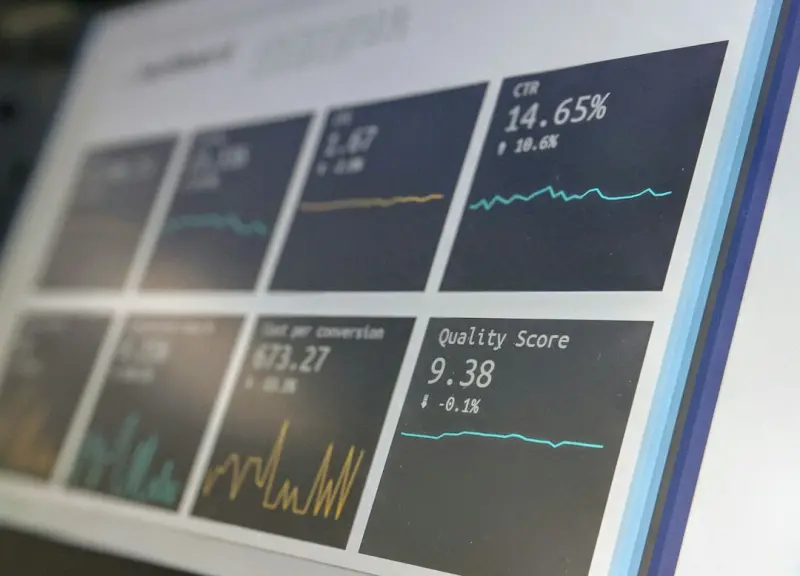
On-Page SEO Reimagined: Structured Data, Linking Architecture, and User Signals
A deep dive into modern on-page SEO for SaaS, covering structured data, strategic internal linking, and user engagement signals that can elevate your site’s v...Read More
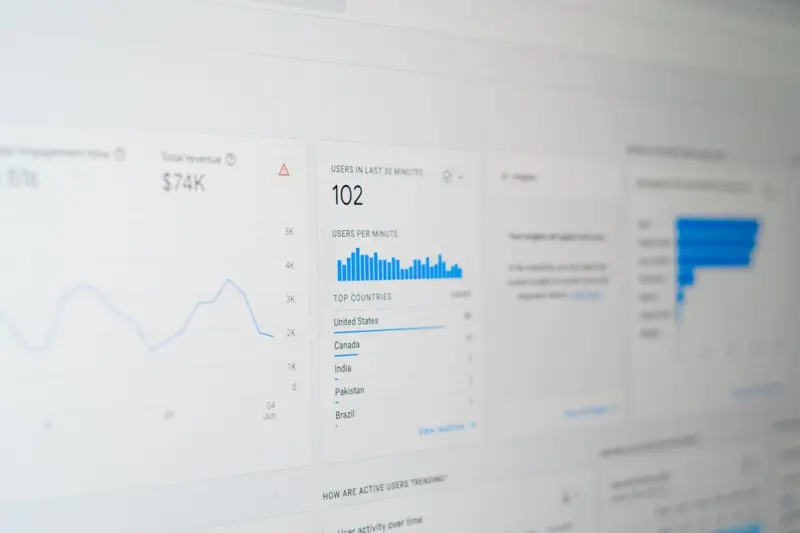
Elevating On‑Page SEO with User Experience: From Core Web Vitals to Content Refresh
Learn how user‑experience signals—from load speed to accessibility—can transform your on‑page SEO, driving higher rankings, engagement, and conversions....Read More

Conversational AI: Real‑Time Personalization for SaaS Marketers
Discover why integrating conversational AI into your SaaS marketing stack creates real‑time, personalized experiences that lift engagement, generate richer da...Read More

Unlocking SEO Superpowers with WordPress Custom Post Types
A deep dive into leveraging WordPress custom post types and taxonomies for SEO, with practical steps, tools, and best practices to enhance visibility and rankin...Read More
0 Comments
Post Comment
You will need to Login or Register to comment on this post!