

Understanding the Facebook Search Ecosystem
When most marketers talk about SEO, the conversation instantly veers toward Google. Yet, Facebook has quietly become a parallel search engine where billions of users type queries, explore pages, and discover products every day. Unlike Google’s web‑centric index, Facebook’s search surface blends user‑generated content, page metadata, and the platform’s own social graph. For SaaS brands, this means an untapped opportunity to surface your solution where prospects already congregate.
Why Facebook SEO Matters for SaaS
SaaS decision‑makers aren’t just reading blog posts; they’re scrolling through industry groups, watching live demos, and checking out peer recommendations on Facebook. When a potential buyer types “project management tool for remote teams,” the results they see include relevant Facebook Pages, Groups, and even Instant Articles. Ranking there can:
- Boost top‑of‑funnel visibility without paid spend.
- Generate high‑intent traffic that’s already primed for a trial.
- Amplify social proof through comments, reactions, and shares.
Mapping Facebook’s Ranking Signals
Facebook doesn’t disclose an exact algorithm, but seasoned social marketers have identified a handful of reproducible signals:
- Page Completeness – A fully filled “About” section, accurate contact info, and category tags act like meta data for search crawlers.
- Engagement Velocity – Posts that garner rapid likes, comments, and shares signal relevance and are surfaced higher.
- Community Signals – Membership in niche Groups and the frequency of your brand’s mentions within them influence authority.
- Content Freshness – Regularly publishing interactive content or live videos signals that your brand is active and trustworthy.
Optimizing Your Facebook Page for Search
Start with the basics—think of your Facebook Page as a micro‑website. Here’s a step‑by‑step checklist:
- Choose the Right Primary Category. Facebook’s taxonomy is limited, so pick the most specific category (e.g., “Project Management Software”). This directly feeds the “type” field that search crawlers read.
- Craft a Keyword‑Rich “About” Section. Seamlessly weave primary SaaS keywords into the first 255 characters; this snippet often appears in search snippets.
- Utilize Call‑to‑Action (CTA) Buttons. A “Sign Up” or “Book Demo” button not only drives conversions but also adds a structured element that Facebook’s index favors.
- Upload a High‑Resolution Logo and Cover Image. Visual assets are indexed and appear in search previews, influencing click‑through rates.
- Pin a Keyword‑Focused Post. Pinning a post that clearly explains your value proposition (including target keywords) gives it extra weight in search results.
Leveraging Facebook Groups as Authority Hubs
Groups are the beating heart of Facebook’s community‑driven search. When users type “best CRM for startups,” the algorithm often surfaces Groups where the phrase appears in titles or descriptions. To turn this to your advantage:
- Create a Branded Niche Group. Position it as a “SaaS Growth Hub” or “Remote Team Collaboration Forum.” Consistently seed discussions with actionable insights, case studies, and industry news.
- Participate Authentically in Existing Communities. Offer value without overt selling. Answer questions, share templates, and reference your own resources only when they genuinely solve the asker’s problem.
- Encourage User‑Generated Content. Prompt members to share their onboarding experiences or workflow hacks. These posts become fresh, keyword‑rich signals that Facebook’s search will index.
When you’re nurturing a vibrant group, you’ll notice an organic rise in brand mentions, which fuels the platform’s internal link graph—much like external backlinks do for Google.
Instant Articles: The SEO‑Friendly Publishing Engine
Instant Articles load instantly on mobile, offering a superior user experience that Facebook rewards. Here’s how to turn them into a search asset:
- Map Each Article to a Target Keyword. Treat every Instant Article as a landing page optimized for a long‑tail query (e.g., “how to integrate Slack with SaaS product”).
- Include Structured Data. Facebook supports Open Graph tags; populate
og:title,og:description, andog:imagewith keyword‑rich content. - Cross‑Promote on Your Page and Groups. Share the article in relevant groups and pin it to the top of your page’s timeline to accelerate engagement velocity.
The result? Instant Articles that rank not only in Facebook Search but also appear in Google’s “Top Stories” carousel, giving you a double‑benefit.
Video Reels and Live Streams: Real‑Time Ranking Boosters
Facebook’s algorithm heavily favors video, especially Reels and Live broadcasts. Here’s a tactical approach:
- Pre‑optimize Your Video Metadata. Include target keywords in the title, description, and caption. Add closed captions; they’re indexed for text relevance.
- Encourage Immediate Interaction. Prompt viewers to comment or react within the first 30 seconds. Early engagement spikes the video’s relevance score.
- Repurpose Content. Cut a 10‑minute webinar into bite‑sized Reels that answer specific questions (“How to reduce churn in SaaS”). Each Reel targets a distinct search query.
Because Facebook treats live video as “real‑time content,” it often surfaces near the top of search results for trending topics, giving your brand a timely visibility advantage.
Social Proof as a Ranking Lever
Facebook’s search algorithm isn’t just about keywords; it also measures trust. Reviews, ratings, and user testimonials act as social proof signals:
- Collect Authentic Reviews. Encourage happy customers to leave 5‑star reviews on your Page. Respond to each review—both positive and negative—to demonstrate engagement.
- Showcase Case Studies in the “Featured” Section. Upload PDFs or carousel posts that highlight measurable outcomes. Facebook indexes these assets and surfaces them in search snippets.
- Leverage “Mentions” Feature. When customers tag your brand in their posts, those mentions are indexed as inbound links, boosting authority.
Integrating Facebook SEO with Your Overall SaaS Funnel
Isolating Facebook SEO is a mistake. The most potent results come from weaving it into your broader inbound strategy. Consider these integration points:
- Lead Magnets on Facebook. Offer a downloadable guide (“The Ultimate Remote Collaboration Checklist”) in exchange for an email address. The guide can be hosted on your website, feeding the same funnel that powers your blog SEO.
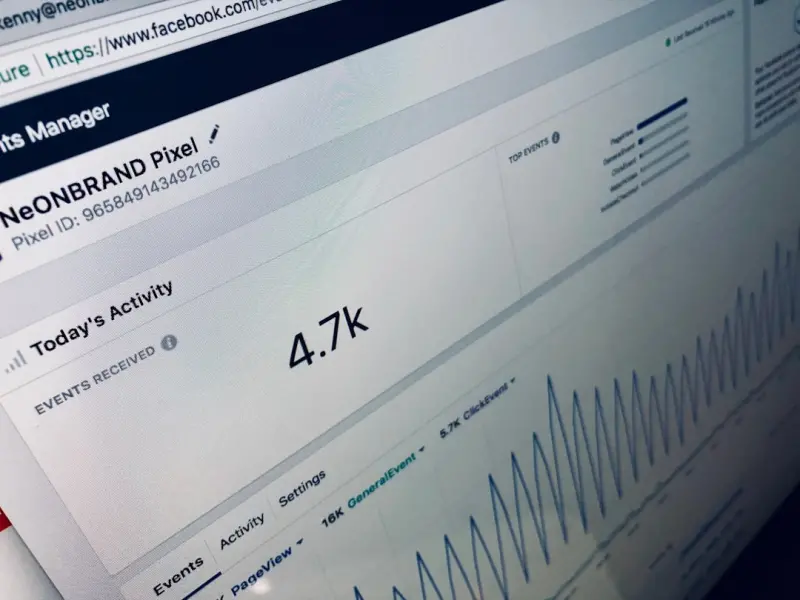
- Retargeting Audiences. Use the Facebook Pixel to track visitors who land on your pricing page (yes, turn your SaaS pricing page into an SEO magnet) and serve them tailored ads that reinforce the search impression they just saw.
- Sync Community Content. Repurpose top‑performing community content can supercharge your SEO from your forums or Discord into Facebook posts, amplifying the signal across platforms.
Measuring Success: KPIs That Matter
To justify the effort, track these Facebook‑specific metrics alongside traditional SaaS KPIs:
| Metric | Why It Matters |
|---|---|
| Search Impressions | Shows how often your Page or content appears in query results. |
| Engagement Rate (Likes, Comments, Shares) | Directly influences ranking velocity. |
| Click‑Through Rate (CTR) to Website | Measures the quality of traffic from Facebook Search. |
| Lead Conversion Rate | Tracks how many visitors become trial users or MQLs. |
| Referral Revenue | Attribution of closed deals to Facebook‑originated leads. |
Use Facebook Insights in conjunction with your analytics platform (e.g., Google Analytics or a SaaS‑centric BI tool) to build a holistic view of performance.
Future‑Proofing Your Facebook SEO Strategy
Facebook is evolving rapidly—features like Facebook Shops, Marketplace for SaaS tools, and AI‑driven content recommendations are on the horizon. To stay ahead:
- Monitor Platform Updates. Subscribe to Facebook’s developer blog and follow the “Product Updates” page to catch new SEO‑related features early.
- Experiment with Emerging Formats. Test shoppable posts for your SaaS add‑ons or bundle offers; these can appear in search results for commerce‑focused queries.
- Invest in Structured Data via Open Graph. As Facebook refines its indexing, richer metadata will become a decisive factor for ranking.
By treating Facebook not as a vanity metric but as an authentic search engine, SaaS marketers can capture high‑intent traffic, nurture leads in a community‑rich environment, and ultimately accelerate growth without inflating ad spend.

As a passionate freelance writer, Paige Magarrey is dedicated to bringing new perspectives and raising awareness through her work. With her expertise and creative approach, Paige strives to engage readers and deliver valuable content that resonates with audiences.
Related Posts

Unlocking Facebook’s Search Potential for SaaS Brands
Learn practical tactics to turn Facebook into a searchable asset, from page optimization and hashtag... Read More
Cracking Facebook Search: A SaaS Playbook for Hidden Discovery
Discover a step‑by‑step framework to optimize your Facebook page, content, and groups for search... Read More

Facebook SEO Hacks: Make Your Brand Unmissable
This post reveals practical strategies to turn Facebook pages, posts, videos, and groups into search... Read More
Top Posts

Semantic Search for SaaS: From Vectors to Real‑World Insight
Discover a step‑by‑step guide to building embedding‑based semantic search for SaaS products, including pipeline design, evaluation metrics, human‑in‑t...Read More
AI‑Powered SERP Forecasting: How to Anticipate Search Trends Before They Hit
AI is turning SERP data into a crystal ball. Learn how predictive algorithms, structured data, and real‑time trend modeling can give your SEO strategy a proac...Read More

Zero‑Click Search: How SaaS Brands Can Win Visibility Without a Click
Zero‑click search is reshaping how SaaS companies get discovered. This article explains why featured snippets, knowledge panels, and video carousels matter, a...Read More

SEO News 2026: Rose DesRochers Decodes the Intent‑First Revolution
In 2026, SEO pivots to an intent‑first mindset. Rose DesRochers breaks down AI, authority, and multimodal search changes, offering actionable tips for staying...Read More
0 Comments
Post Comment
You will need to Login or Register to comment on this post!