
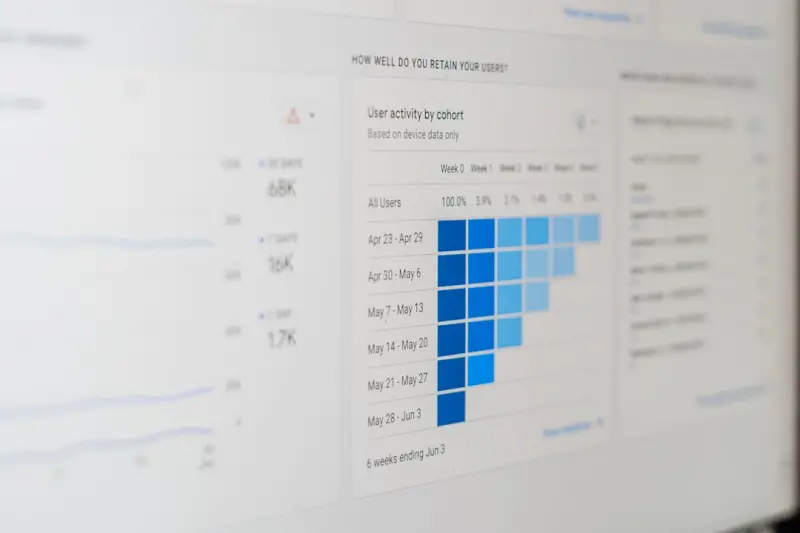
Why AI‑Driven Product Pages Are the Next SEO Game‑Changer for eCommerce
When I first started tinkering with eCommerce SEO, the checklist was simple: keyword‑rich titles, clean URLs, and a handful of meta tags. Fast forward a few years, and the landscape feels like a labyrinth of structured data, intent signals, and algorithmic nuances that change almost weekly. In the middle of that whirlwind, one technology is quietly reshaping how we think about product‑page optimization: artificial intelligence.
Don’t mistake this for a fleeting hype trend. AI is no longer a novelty; it’s a practical toolkit that can help you scale personalization, improve relevance, and win richer SERP features without adding endless manual work. In this post I’ll walk through the core ways AI can be embedded into your eCommerce SEO workflow, the pitfalls to avoid, and a step‑by‑step blueprint you can start implementing today.
1. The Data Problem: Massive Catalogs, Limited Bandwidth
Most online retailers grapple with one stubborn reality: a product catalog that grows faster than the team can manually optimize it. Hundreds of thousands of SKUs, each with its own set of specifications, images, and user reviews, create a data swamp. Traditional SEO tactics—hand‑crafted titles, manually written descriptions, and static schema markup—just don’t scale.
Enter AI. By feeding your product feed into a machine‑learning model, you can generate:
- Dynamic title tags that adapt based on search intent trends.
- Natural‑language descriptions that highlight the most persuasive product attributes for a given audience segment.
- Context‑aware schema markup that feeds Google the exact type of rich snippet it wants to surface (price, availability, rating, etc.).
These outputs aren’t static; they evolve as the model learns from click‑through data, conversion rates, and emerging search signals.
2. Turning Intent Into Action with AI‑Powered Keyword Clustering
Keyword research used to be a manual, time‑consuming exercise. Modern AI tools can ingest thousands of search queries and automatically group them into intent clusters: transactional, informational, and navigational. For an eCommerce site, the real power lies in the transactional clusters that map directly to product pages.
By aligning each cluster with a specific SKU or product family, you can generate tailored title tags and meta descriptions that speak directly to the shopper’s mindset. For example, a search query like “best waterproof hiking boots for women” can trigger a dynamically generated title that includes the brand, key feature (waterproof), and a call to action (“Shop Now”).
This approach also helps you spot gaps in your catalog. If a high‑volume intent cluster surfaces but you have no matching product, it’s a clear signal to expand your inventory or create a bundled offering.
3. Enriching Snippets with Structured Data at Scale
Rich snippets have proven to boost click‑through rates dramatically—sometimes by double‑digit percentages. Yet implementing Product schema for each SKU manually is a nightmare. AI can automate this process in three ways:
- Attribute Extraction: Using natural‑language processing (NLP) to pull key specs (material, color, size) from product descriptions or supplier feeds.
- Schema Generation: Mapping those attributes to the correct
schema.orgproperties, ensuring compliance with Google’s guidelines. - Real‑Time Updates: When inventory or pricing changes, the AI system automatically updates the structured data, keeping your SERP listings accurate.
When you combine AI‑generated schema with the visual and AI‑powered search insights we’ve discussed elsewhere, you get a dual advantage: the search engine sees a richer data signal, and the shopper sees a more compelling, trustworthy result.
4. Personalizing Product Copy on the Fly
One-size‑fits‑all product copy is a relic. Modern shoppers expect language that resonates with their specific context—whether they’re a budget‑conscious college student or a luxury‑focused professional. AI-driven copy generation can:
- Analyze user demographics and browsing behavior.
- Adjust tone, length, and focus (e.g., emphasizing durability for DIY enthusiasts, style for fashion lovers).
- Insert localized terms, currencies, and even seasonal references automatically.
This dynamic copy not only improves relevance but also aligns with Google’s “helpful content” guidelines, which reward pages that match user intent more closely.
5. The Role of Voice Search in Product Discovery
While many retailers still think of voice search as a niche, the reality is that smart speakers and mobile assistants are becoming primary entry points for product discovery. Think of a shopper saying, “Find me a cordless drill under $100 with two‑year warranty.” An AI‑enhanced product page can answer that query directly in the SERP by:
- Ensuring the page includes conversational long‑tail phrases.
- Embedding
FAQschema that answers typical voice queries. - Providing real‑time inventory data so the voice assistant can confirm availability.
For a deeper dive on how voice can be a growth engine, see our piece on turning voice search into a SaaS growth engine. The same principles apply to eCommerce, just with a product‑centric twist.
6. Measuring Success: AI‑Backed SEO Experiments
Implementing AI is only half the battle; you need a robust measurement framework to prove ROI. Here’s a practical testing loop:
- Baseline Establishment: Capture current rankings, organic traffic, and conversion rates for a representative sample of product pages.
- AI Variation Deployment: Roll out AI‑generated titles, meta descriptions, and schema on half the sample (A/B testing).
- Data Collection: Use Google Search Console, analytics, and heat‑map tools to track changes in impressions, click‑through, and on‑page engagement.
- Statistical Analysis: Apply Bayesian models to determine confidence levels for observed lifts.
- Iterate: Feed the results back into the AI model to refine its output.
Because AI models learn from performance data, this closed loop ensures that your SEO strategy continually improves, rather than remaining static.
7. Avoiding Common Pitfalls
AI is powerful, but it’s not a silver bullet. Here are three traps to watch out for:
- Over‑Optimization: AI might generate keyword‑stuffed titles if not properly tuned. Keep a human review step for high‑value pages.
- Hallucinated Content: Language models can fabricate specs that don’t exist. Always cross‑check generated attributes against your product data source.
- Schema Violations: Google penalizes inaccurate structured data. Use validation tools (like Google’s Rich Results Test) in your automation pipeline.
By building safeguards—human oversight, data validation, and schema compliance checks—you can reap the benefits of AI without risking rankings.
8. A Blueprint for Getting Started
Ready to turn theory into action? Follow this three‑phase roadmap:
Phase 1: Foundation
- Audit your existing product feed for completeness (titles, descriptions, specs, images).
- Implement a basic
Productschema across all pages if you haven’t already. - Choose an AI platform (e.g., OpenAI, Cohere) that offers fine‑tuning capabilities.
Phase 2: Pilot
- Select a subset of 1,000 SKUs representing different categories.
- Generate AI‑enhanced titles, meta descriptions, and structured data for this group.
- Run A/B tests against the existing pages for a 4‑week period.
Phase 3: Scale
- Analyze pilot results and adjust model prompts to improve relevance.
- Roll out the refined AI workflow to the entire catalog.
- Set up automated monitoring for schema errors and performance dips.
Remember, AI should augment—not replace—your SEO expertise. The most successful retailers treat AI as a collaborative partner that handles the heavy lifting, while humans provide strategic direction and quality control.
9. Future Outlook: AI‑Generated Visual Assets
We’re already seeing AI tools that can create product‑specific images, 360° views, and even short video clips. When paired with micro‑moment insights, these assets can be delivered at the exact moment a shopper is ready to decide, further boosting relevance and, ultimately, conversions.
Imagine a shopper searching “lightweight running shoes for trail” and instantly seeing an AI‑rendered image that highlights the shoe’s breathability, grip pattern, and color options—all pulled from real product data. That visual cue can tip the scale in favor of your listing over a competitor’s static image.
10. Closing Thoughts
AI is transforming every facet of digital marketing, and eCommerce SEO is no exception. By automating the generation of high‑quality, intent‑aligned content and structured data, you can finally keep pace with massive product catalogs while delivering the personalized experiences shoppers demand.
The journey starts with a small pilot, a commitment to data integrity, and a willingness to iterate. As the models learn, your SERP presence becomes richer, more relevant, and more likely to capture those coveted clicks and conversions.
So, if you’ve been waiting for a sign to bring AI into your SEO stack, consider this your green light. The technology is mature enough to deliver measurable ROI, and the competitive advantage is too significant to ignore.

Allison Jarvis is a dynamic digital media and marketing professional dedicated to driving brand growth through impactful storytelling. With a sharp eye for market trends and a passion for data-driven strategies, she specializes in building cohesive online identities that resonate with modern audiences. Allison blends creative content production with robust analytics to maximize engagement and deliver measurable ROI. She continuously explores emerging digital tools to keep her projects ahead of the curve.
Related Posts
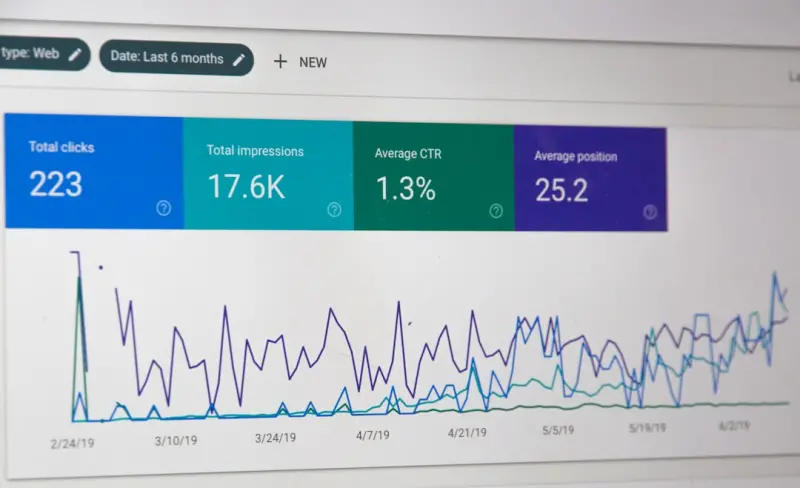
Visual Search SEO: Turning Product Images into Traffic Gold
Discover the power of visual search for eCommerce, from optimizing image assets and structured data ... Read More

Crawl Budget Mastery: Scaling SEO for Massive eCommerce Catalogs
A deep dive into crawl budget strategies for large eCommerce stores, covering URL hygiene, sitemap s... Read More
Unlocking the SEO Power of Structured Data for eCommerce
Learn why structured data is essential for eCommerce SEO, how to implement product and offer schema,... Read More
Top Posts

The Rise of Generative AI in SaaS SEO Audits: Turning Data Into Actionable Growth
Generative AI is redefining SEO audits for SaaS companies, offering real‑time SERP insights, intent‑first keyword mapping, and automated content recommendat...Read More

Micro‑Influencer Partnerships: Boosting SEO and Brand Authority
Learn why micro‑influencers are the secret weapon for modern digital marketers, and how to turn authentic partnerships into powerful SEO gains....Read More

Gamify Your Link Building: Turning Outreach into a Competitive Quest
Transform link building into a competitive quest with gamified challenges, clear rewards, and data‑driven tracking for sustainable SEO growth....Read More

The Secret Sauce of Collaborative Research for Sustainable Link Growth
Learn a data‑driven, partnership‑focused link building method that turns collaborative research into natural, high‑authority backlinks and long‑term SEO...Read More
0 Comments
Post Comment
You will need to Login or Register to comment on this post!