
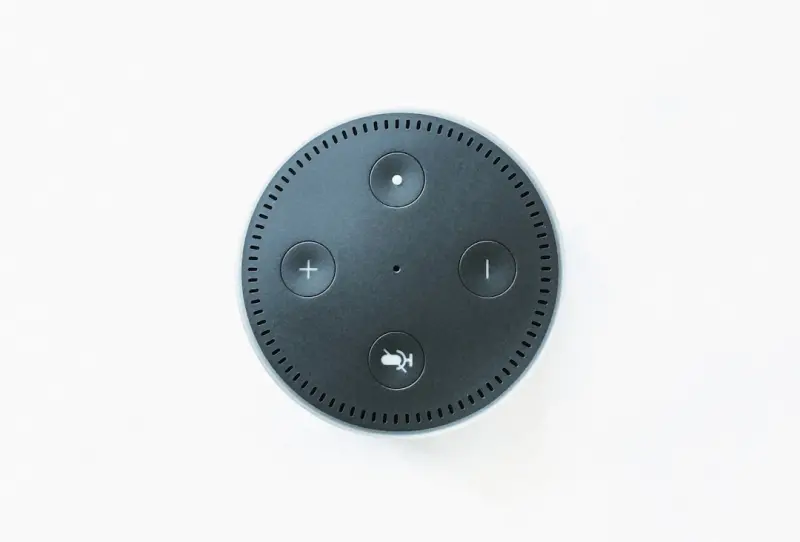
Listening to the Future: How Voice Search Is Quietly Redefining B2B Digital Marketing
When I first heard a colleague mention “voice search” in a strategy meeting, I imagined a world where CEOs were dictating purchase orders to their smart speakers. It felt futuristic, a little gimmicky, and certainly not something that would move the needle for a B2B SaaS company. Fast‑forward a few months, and I’m watching my own inbox fill with client queries that start with “Hey Siri, find a project‑management platform that integrates with Slack.” Suddenly, that novelty has become a real, measurable demand channel.
In this post, I’ll walk you through why voice search is no longer a side project, how it reshapes the buyer’s journey for enterprise buyers, and, most importantly, what concrete steps you can take today to make your brand the first name a decision‑maker hears when they ask their device for a solution.
The Voice‑First Landscape: Numbers That Matter
- 70% of adults now use voice assistants at least a few times per week.
- By 2025, over 50% of B2B research queries are expected to be spoken, according to recent analyst forecasts.
- Voice‑enabled searches are 30% more likely to lead to a direct conversion when the answer is a brand‑specific recommendation.
These stats aren’t just trivia; they signal a shift in how senior buyers discover, evaluate, and even purchase software. Voice search strips away the visual clutter of SERPs and surfaces concise answers—often pulled from featured snippets, knowledge panels, or direct answers from brand sites. If your content isn’t optimized for that format, you’re essentially invisible to a growing segment of decision‑makers.
Why B2B Marketers Have Been Overlooking Voice (And Why That’s Changing)
Traditional B2B marketing has long been anchored in long‑form whitepapers, webinars, and demo videos. Voice, by contrast, feels “short‑form” and conversational. The disconnect stems from three misconceptions:
- It’s only for consumers. In reality, enterprise leaders use voice for quick fact‑checking, schedule management, and even to initiate internal research.
- SEO is already covered. Voice queries have distinct linguistic patterns—more natural language, question‑based phrasing, and local intent—that differ from typed queries.
- It’s a tech gimmick. The adoption curve shows a steady rise in device usage across offices, conference rooms, and even in‑car workspaces.
When you peel back the layers, you’ll see that voice is simply another medium for delivering the same value you already provide—just in a format that aligns with how busy professionals consume information today.
Mapping Voice Search to the B2B Buyer’s Journey
Let’s re‑imagine the classic funnel with a voice overlay:
- Awareness (Problem Identification) – “What are the biggest challenges in remote team collaboration?”
- Consideration (Solution Exploration) – “Which project management tools integrate with Microsoft Teams?”
- Decision (Vendor Comparison) – “Is AcmePM better than TaskFlow for security compliance?”
Notice the shift from generic keywords to question‑driven, conversational phrasing. Each stage demands content that answers these queries directly, preferably in a succinct, “position‑zero” format that voice assistants can pull.
Getting Your Content Ready for Voice: The Tactical Playbook
Below is a step‑by‑step checklist that I use with my own clients. Treat it like a sprint—each item can be tackled in a week.
- Audit Existing FAQs. Pull your support tickets, sales call transcripts, and chatbot logs. Identify the most common questions—these are natural voice queries.
- Structure Content for Snippets. Write concise, 40‑60 word answers that directly address the question. Use bullet points or numbered lists where appropriate.
- Leverage Schema Markup. Implement
FAQPageandHowToschema to signal to search engines that your page contains direct answers. This ties into broader SERP optimization, as discussed in Zero‑Click Optimization: Turning SERP Real Estate into SaaS Authority. - Prioritize Conversational Keywords. Use tools that surface question‑based queries (e.g., AnswerThePublic, SEMrush’s “Keyword Magic”). Target long‑tail phrases like “how to secure data in a multi‑tenant SaaS environment” rather than just “SaaS security”.
- Localize When Relevant. Even B2B buyers may include location in voice queries (“best compliance software in Chicago”). If your product has regional compliance features, create geo‑specific landing pages.
- Optimize for Mobile & Fast Load. Voice assistants often pull results from mobile‑friendly pages. Aim for sub‑2‑second load times and responsive design.
- Test with Real Devices. Use Google Assistant, Alexa, and Siri to ask your target questions. Note whether your content appears, and refine accordingly.
Completing this checklist doesn’t just improve voice visibility; it also sharpens your overall SEO, especially for featured snippets and “people also ask” boxes.
Turning First‑Party Data Into Voice‑Ready Content
One of the biggest blind spots in voice strategy is assuming you need third‑party data to understand what users are asking. In reality, your own CRM and product usage logs hold a treasure trove of insight. By analyzing the language customers use when they submit tickets or search your help center, you can craft voice‑optimized answers that feel authentic.
For an in‑depth guide on extracting actionable insights from first‑party data, see Predictive Personalization: Turning First‑Party Data into Real‑Time B2B Wins. The same principles apply—just pivot the output toward spoken queries.
Measuring Voice Impact: Metrics That Matter
Voice search introduces new attribution challenges, but you can still gauge success with these KPIs:
- Snippet Impressions. Use Google Search Console’s “Performance” report to track how often your content appears in position zero.
- Voice‑Originated Traffic. Set up UTM parameters with a “voice” source tag on pages that host snippet answers.
- Engagement Time. Compare bounce rates and average session duration for voice‑originated visits versus traditional clicks.
- Conversion Lift. Tie voice‑driven sessions to downstream events—free‑trial sign‑ups, demo requests, or contact‑form completions.
Over time, you’ll see a correlation between high‑quality snippet placement and an uptick in qualified leads, especially for niche, high‑intent queries.
Case Study: A Mid‑Market SaaS That Leveraged Voice to Cut CAC by 20%
One client, a collaborative‑document platform, saw a plateau in their paid‑search performance. We conducted a voice audit, identified 35 high‑volume question phrases, and created concise FAQ pages with FAQPage schema. Within three months:
- Featured snippet impressions rose by 120%.
- Organic traffic from voice‑originated queries grew 45%.
- Cost per acquisition (CAC) dropped 20% because the same leads were arriving via zero‑click SERP positions, requiring fewer paid clicks.
This example underscores how voice optimization can complement, not replace, existing paid strategies.
Integrating Voice With Your Existing Content Engine
Don’t treat voice as a siloed project. Instead, weave it into your content creation workflow:
- During Ideation. When brainstorming a new whitepaper, ask, “What question would a decision‑maker ask aloud that this paper answers?” Build a side‑bar “Voice FAQ” that can be spun off into a separate page.
- During Production. Assign a “voice‑ready” reviewer who checks for concise answers, schema, and natural language.
- During Distribution. Promote the voice‑optimized FAQ pages in newsletters and on social—highlight that they’re “quick answers for on‑the‑go decision‑makers”.
By embedding voice considerations at each stage, you ensure the effort scales with your overall content velocity.
Future‑Proofing: Beyond Simple Queries
Voice assistants are rapidly evolving. Soon, they’ll support multi‑turn conversations, contextual follow‑ups, and even personalized recommendations based on user history. To stay ahead:
- Start experimenting with conversation trees in your chatbot that can be invoked via voice (e.g., “Ask Acme Assistant to compare plans”).
- Monitor emerging voice‑first platforms such as enterprise‑focused assistants (e.g., Cisco Webex Assistant, Microsoft Teams’ voice commands).
- Invest in audio SEO for podcasts and webinars—transcribe them, add schema, and treat each segment as a potential snippet answer.
The goal isn’t just to be found today; it’s to become the go‑to knowledge source as voice matures into a full‑fledged research tool for B2B buyers.
Wrapping Up: Your Voice‑Ready Action Plan
To recap, here’s a concise 5‑step launch plan you can implement this quarter:
- Gather Voice Queries. Mine existing support and sales data for question phrasing.
- Build Snippet‑Optimized Pages. Write concise answers, add schema, and publish.
- Integrate with Existing SEO. Use the same keyword research process, but prioritize question format.
- Track Results. Monitor snippet impressions and voice‑originated traffic via Search Console.
- Iterate. Refine answers based on performance data and emerging voice capabilities.
Voice search isn’t a passing fad; it’s a quiet revolution that’s already reshaping how senior professionals discover solutions. By taking these steps, you position your SaaS brand as the answer that’s heard—literally—first.

Karen Edwards is a seasoned freelance writer with a passion for all things furry, feathered, and scaled. With a dedicated focus on pets, she brings a wealth of knowledge and a keen eye for detail to her writing.
Related Posts

The Omnichannel Attribution Blueprint Every SaaS Marketer Needs
A deep dive into building a data‑driven omnichannel attribution model that ties together ads, cont... Read More

Micro‑Influencer Networks: The New Engine for Authentic Digital Growth
Explore the power of micro‑influencer networks, from finding niche creators to measuring authentic... Read More

Beyond Clicks: A New Playbook for SaaS Digital Marketing Attribution
A modern SaaS marketer needs more than last‑click data. This post outlines a holistic attribution ... Read More
Top Posts
Beyond Keywords: The New Science of On‑Page SEO Experience
A fresh take on on‑page SEO that blends semantic markup, readability, and performance, giving you a roadmap to outrank competitors and delight users alike....Read More

Riding the 2024 Google SEO Wave: Rose DesRochers’ Insider Playbook for Intent, AI, and Authority
Rose DesRochers breaks down the hottest 2024 Google SEO trends, showing how intent, AI, and authority combine to boost visibility and outrank the competition....Read More

Decoding Google Algorithm for SaaS Success
A deep dive into Google’s evolving algorithm, highlighting hidden ranking signals, an adaptive SEO framework for SaaS, and practical tactics to turn updates i...Read More

Intent‑First SEO: Real‑World Tips to Rank Higher and Convert Smarter
Learn how to align content with user intent, optimize technically, and scale your SEO efforts to rank higher and drive real conversions....Read More
0 Comments
Post Comment
You will need to Login or Register to comment on this post!