
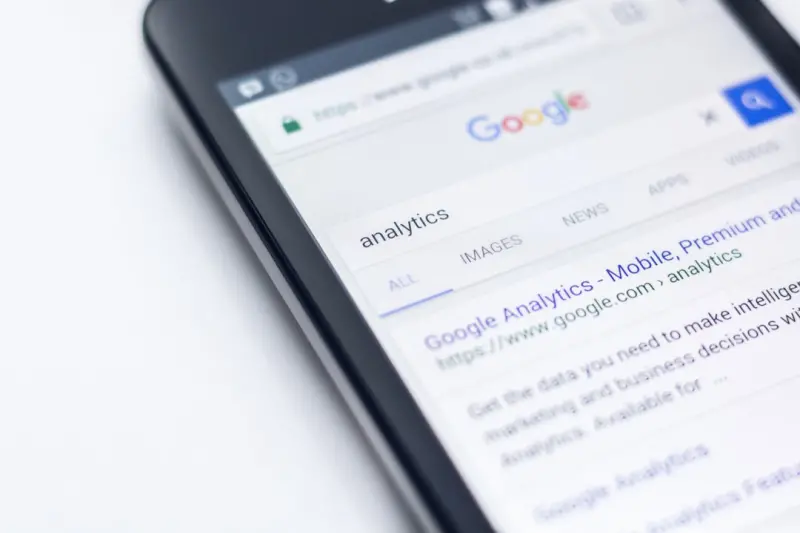
When shoppers type “best waterproof hiking boots for women” into Google, they expect instant answers. The answer they get isn’t just a product listing—it’s a concise, well‑structured snippet that satisfies their intent in seconds. For eCommerce brands, that snippet often comes from a hidden hero: the product FAQ page. While most merchants focus on product titles, images, and reviews, they overlook the SEO potential bubbling beneath a well‑crafted FAQ section.
Why FAQs Are More Than Just Customer Service
FAQ pages sit at the intersection of user intent and search engine logic. They address specific, long‑tail questions that rarely make it into the main product description but are crucial for conversion. Search engines love this format because it:
- Provides direct answers to niche queries, increasing the chance of featured snippets.
- Generates fresh, keyword‑rich content without duplicating product copy.
- Creates internal linking opportunities that distribute link equity across the site.
When you think of SEO, the first thing that comes to mind is often backlink profiles or technical audits. Yet, the simple act of answering “Does this shirt shrink after washing?” can be a powerful ranking signal.
The Evolution of Search Intent in eCommerce
Modern shoppers are moving away from vague, broad queries (“running shoes”) toward precise, problem‑solving searches (“how to break in minimalist running shoes”). These micro‑moments are perfect fodder for FAQs. By mapping out the exact language your audience uses, you can create pages that capture traffic that would otherwise slip through the cracks of generic product pages.
Start by pulling data from three sources:
- Site search logs – What are users typing into your own search bar?
- Customer support tickets – Which questions generate the most tickets?
- Community forums & social listening – Where are conversations happening outside your site?
Each question becomes a potential FAQ entry, and each entry is an SEO opportunity.
Structuring FAQ Content for Search Engines
The technical side of FAQs is often underestimated. While we’ve written extensively about semantic HTML5 in other contexts, the same principles apply here: use <section> and <h3> tags for each question, and wrap answers in <p> or <ul> elements. This hierarchy signals to crawlers that you’re delivering a question‑and‑answer format.
Beyond markup, consider implementing FAQ schema. It’s not the same as the “Structured Data” post you may have read; it’s a specialized markup that tells Google to render your questions directly in SERPs. The result? Higher visibility, increased click‑through rates, and a chance to dominate the “People also ask” box.
Capturing Long‑Tail Queries Without Keyword Stuffing
Every FAQ entry should be written for humans first, search engines second. Avoid the temptation to cram every possible keyword into a single answer. Instead, let the natural phrasing of the question guide the answer. For example:
Question: “Will the leather jacket stretch after a month of wear?”
Answer: “Our premium leather is pre‑conditioned to maintain its shape. While a slight softening can occur with regular use, the jacket will not stretch beyond its original dimensions.”
This approach satisfies the user’s curiosity while naturally embedding relevant terms like “leather jacket,” “stretch,” and “pre‑conditioned.”
Boosting Internal Link Equity Through FAQs
FAQ pages are perfect anchor points for internal linking. By linking each answer back to the relevant product page, you create a web of relevance that search engines can easily crawl. Think of each FAQ as a micro‑hub that feeds authority into your core product pages.
Leverage the insights from our internal linking blueprint and adopt these practices:
- Use descriptive anchor text that mirrors the user’s query.
- Limit the number of links per page to maintain a clean link profile.
- Prioritize linking to high‑value pages (best‑sellers, new arrivals, or category landing pages).
When done correctly, your FAQ pages become the silent engine that pushes product pages up the rankings.
Turning FAQs Into Link‑Worthy Assets
High‑quality FAQ content can attract backlinks just as easily as a detailed guide or case study. Think of your FAQ as a niche resource hub. If you answer a question no one else can—say, “How to clean a suede sneaker without damaging the nap?”—industry blogs, forums, and even news outlets may cite your page as the authoritative source.
To amplify this effect, incorporate the strategies from our AI‑powered link building guide. Use AI tools to identify potential linking opportunities, personalize outreach, and track mentions. The result is a virtuous cycle: more backlinks improve rankings, which in turn drive more traffic to your FAQs, generating even more inbound links.
Measuring the Impact of FAQ SEO
Metrics matter. Track the following KPIs to gauge success:
- Impressions & Click‑Through Rate (CTR) for FAQ‑generated rich results.
- Organic traffic to FAQ pages versus direct product page traffic.
- Conversion rate of visitors who land on an FAQ before purchasing.
- Backlink acquisition stemming from FAQ content.
Use Google Search Console’s “Performance” report to isolate queries that trigger your FAQ snippets. Combine this data with eCommerce analytics (e.g., Shopify, Magento) to see how FAQ interactions correlate with sales velocity.
Practical Checklist for Launching an eCommerce FAQ SEO Strategy
- Audit existing product pages for unanswered questions.
- Gather question data from site search, support tickets, and social listening.
- Prioritize questions based on search volume, commercial intent, and relevance.
- Write concise, human‑first answers using natural language.
- Apply proper HTML hierarchy and implement FAQ schema markup.
- Link each answer to the most relevant product or category page.
- Promote high‑value FAQs to external publications for backlinks.
- Set up monitoring in Search Console and your analytics platform.
- Iterate quarterly—add new questions, prune outdated ones, and refresh content.
Future‑Proofing Your FAQ Strategy
As voice assistants and AI chatbots become mainstream, the demand for direct, question‑driven answers will only increase. FAQ pages that already speak the language of “question‑answer” will be primed for integration into these emerging interfaces. Think of your FAQs as the data layer that can be pulled into Amazon Alexa, Google Assistant, or even the emerging AI‑driven shopping assistants that sit inside eCommerce platforms.
Preparing now means you won’t have to scramble when voice‑first commerce becomes the norm. Keep your content modular, your schema up‑to‑date, and your internal linking tight, and you’ll stay ahead of the curve.
Conclusion: Turn FAQs Into Your SEO Secret Weapon
Most eCommerce SEO playbooks focus on product titles, backlinks, and technical health. By adding a robust, SEO‑optimized FAQ strategy to that mix, you unlock a hidden source of long‑tail traffic, improve internal link equity, and create backlink‑magnet content—all without overhauling your existing product pages. It’s a low‑cost, high‑impact tactic that scales with your catalog and adapts to emerging search trends.
Start today: pick three top‑searched questions, craft compelling answers, and watch the rankings—and the checkout funnel—respond.

Melanie Wilson, Freelance writer with a flare for everything. I am passionate about topics I write crafting stories and compelling content that connect with audiences. Journeying through the realms of creativity as a freelance creator. #WriterLife #ContentCreator
Related Posts
International eCommerce SEO: A Tactical Playbook for Global Growth
A step‑by‑step guide for eCommerce brands looking to conquer new markets, covering technical set... Read More
Unlocking the SEO Power of User‑Generated Content for eCommerce Growth
Learn how to turn customer reviews, photos, and questions into powerful SEO assets that rank higher,... Read More
International SEO for eCommerce: A Practical Playbook for Going Global
A step‑by‑step guide shows how to expand your online store internationally, covering architectur... Read More
Top Posts

Privacy‑First Personalization: Crafting Trust‑Driven Digital Campaigns
Explore a fresh approach to digital marketing that puts privacy at the core. Learn how consent‑driven data, contextual targeting, and transparent practices ca...Read More
WordPress Multisite: A Scalable SEO Blueprint for Growing Brands
Learn how WordPress Multisite can unify schema, boost Core Web Vitals, automate internal linking, and leverage AI‑powered Gutenberg to create a scalable, high...Read More

Interactive Video: The Secret Weapon for B2B SaaS Demand Generation
Interactive video transforms passive viewers into active prospects by embedding clickable hotspots, branching narratives, and real‑time data capture, deliveri...Read More

Why Intent‑First SEO Is the Secret Sauce for Modern Rankings
Learn how an intent‑first mindset transforms your SEO approach, delivering higher rankings and deeper user engagement by focusing on real search purpose....Read More
0 Comments
Post Comment
You will need to Login or Register to comment on this post!